





c
The debate began when several Niwot business owners and residents opposed a scheduled wage hike. Following pushback, the county rolled back the increase to $16.82 for 2026, implementing a 3% annual increase through 2030. Supporters of incorporation view this compromise as clear evidence that Niwot requires greater local autonomy.
Leading the campaign to incorporate is Niwot resident Nick Little, alongside a dozen other residents who formed the Niwot Incorporation Committee. The group has raised $150,000 to support the effort.
According to their website, incorporation offers Niwot a permanent choice. “Municipal corporations would create a local government elected by and accountable to Niwot residents with authority over the local decisions that shape daily life here,” the site states.
Little told the Left Hand Valley Courier that becoming a municipality would grant the town direct control over matters such as the minimum wage, planning and zoning, and emergency services. Committee materials emphasize that an elected local government would also secure Niwot a seat at the table during regional decision-making.
“The real question is, do we want to have a direct voice in how we are governed as a town?” Little told Yellow Scene Magazine. “We want to be able to control what downtown looks like, we want to be able to fix the roads, and we might have to raise taxes to do that. Incorporation, in our view, is the cheapest way to do that.”
The committee aims to empower Niwot to set its own policies and address infrastructure issues more effectively. Despite opposition rooted in a fear of change, organizers see this as the most practical solution. The incorporation process requires electing charter commissioners and passing a referendum this November, with the goal of achieving town status by next year.
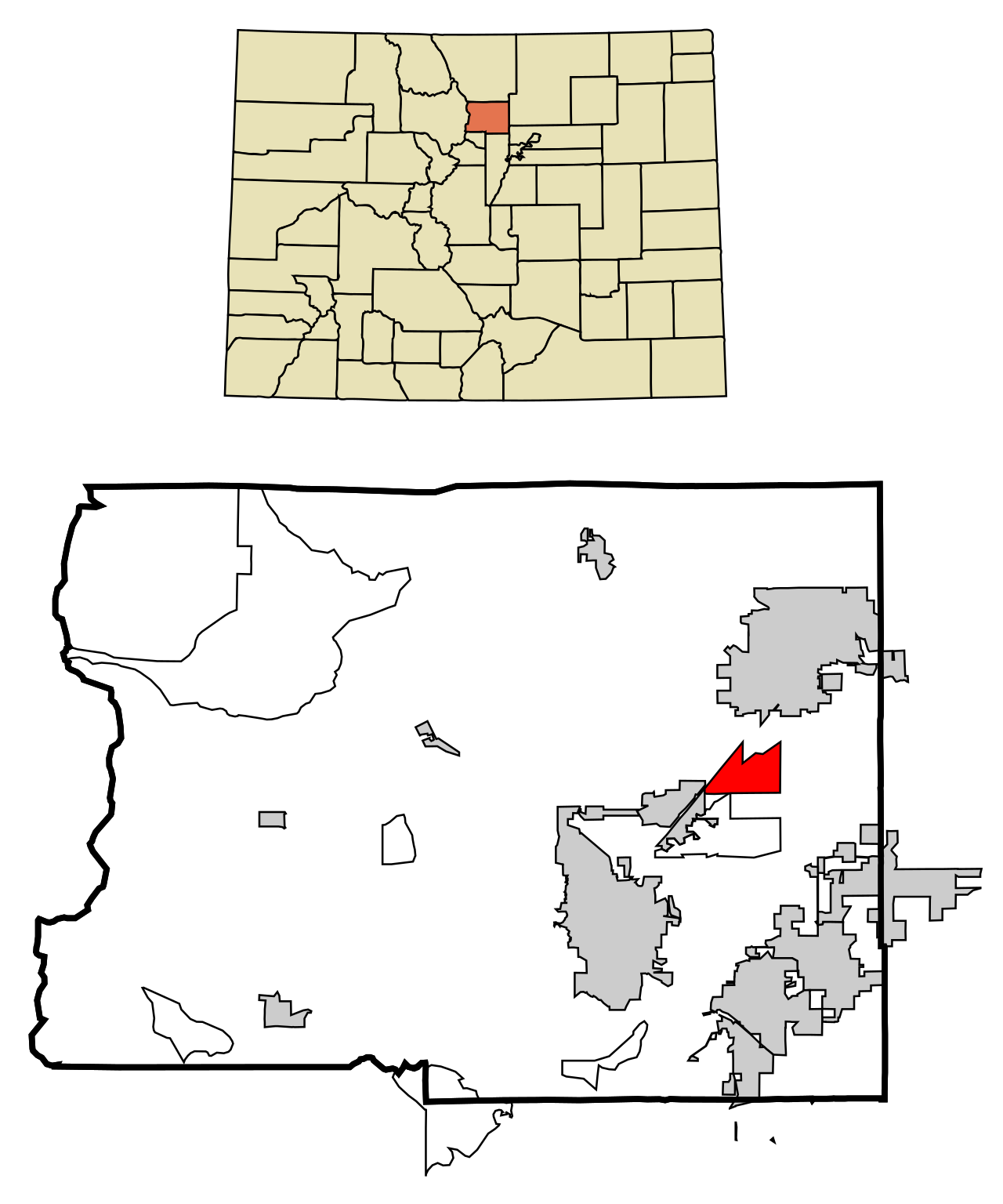
A map of Boulder County highlighting the unincorporated area of Niwot (red). Credit: Arkyan, via Wikimedia Commons (GFDL)
“It feels like a solution looking for a problem,” said Niwot resident Ari Adler.
In an interview with Yellow Scene Magazine, residents Ari Adler and Michael Delalla outlined their concerns regarding the proposed municipal plans. Adler launched the “Neighbors for Niwot” campaign to advocate for a “no” vote. The campaign challenges the pro-incorporation narrative by highlighting financial risks, including high administrative costs and the potential for municipal debt.
“Creating a municipal government is very expensive,” Adler said. “Home charter committees and municipalities have a lot of power. They can spend money on citizen’s behalf, they can rack up debt on our behalf. Across the country, there are a lot of towns that have a municipality that are struggling to pay their bills.”
Adler and Delalla both argue that Niwot’s infrastructure issues, particularly the roads, should be addressed from the ground up through a community-wide process that engages different neighborhoods and focuses on practical, equitable solutions. According to Adler, a Public Improvement District (PID) offers a more direct mechanism to fund road repairs because the revenue is tied to a specific issue. Incorporation, by contrast, would introduce a new layer of government with competing priorities.
“Niwot’s unincorporated status has forced residents to be more creative and resilient; I worry that incorporation could shift power towards developers, at the expense of the volunteers’ spirit that defines the community,” Adler said.
Delalla echoed the need to evaluate what would genuinely improve community life, suggesting that Niwot should pursue practical, affordable solutions that support local businesses rather than assuming incorporation is a cure-all.
Conversely, Little argued that a PID is too narrow a tool because it only addresses roads, leaving other municipal challenges unresolved. He noted that a recent PID initiative failed after a proposed $12 million tax increase sparked backlash. For Little, relying on separate neighborhood PIDs is inefficient and lacks economies of scale. He added that incorporation would allow accountable local leaders to manage roads, land use, and permits collectively, rather than forcing community volunteers to fight individual issues one by one.
Meanwhile, unofficial resident polling indicates strong resistance to the measure, with one survey suggesting that 91% of respondents oppose incorporation. While not an official or scientific measure, the data reflects the intensity of opposition regarding costs, bureaucracy, and potential shifts in Niwot’s character. The survey suggests opponents have been highly effective in framing the public discussion.
Ultimately, both sides share a common objective: a community capable of solving its own problems and preserving the distinct character of Niwot. Underneath the policy debates lies a unified belief that Niwot’s future should be shaped by the people who call it home.
Yellow Scene’s 2026 Summer Support Drive is underway with a goal of 1,000 Sustaining Supporters by summer’s end.
For 26 years, we have remained fiercely independent, free from sponsored content and outside editorial influence.
Reader-driven support keeps local journalism unbossed, unbought, and our journalists fed. Become a sustaining supporter for $8/month and get Yellow Scene delivered to your home.
Join the Summer Support Drive and keep local journalism strong.