




Press releases are provided to Yellow Scene Magazine. In an effort to keep our community informed, we publish some press releases in whole.
Date: July 15, 2026
Contact: Office of Communications, [email protected]
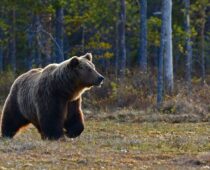
Attached Photo credit: Ryan Pennesi/USFS
U.S. Fish and Wildlife Service Revises Canada Lynx Critical Habitat Designation
The revised designation reflects current research and modeling on Canada lynx populations in the western United States.
DENVER — The U.S. Fish and Wildlife Service has revised the critical habitat designation for the threatened Canada lynx distinct population segment in the lower 48 states. Listed as threatened in 2000, the lynx received its first critical habitat designation in 2006, followed by revisions in 2009 and 2014.
The Service proposed additional revisions in November 2024. This final rule narrows the designation to areas determined to be essential for the species’ conservation and excludes areas where the benefits of exclusion outweigh those of designation.
The revised final rule designates approximately 14,030 square miles of critical habitat across Colorado, Idaho, Montana and Washington. Key changes and characteristics of the designation include:
- A reduction of 7,733 square miles from the 2014 designation — a 32% decrease from the 2014 total.
- Approximately 99% of the revised designated lynx critical habitat occurs on federally managed lands.
- About 38% of the revised designation falls within wilderness areas.
- Critical habitat in the eastern part of the range (Maine and Minnesota) remains unchanged.
- Excludes tribal managed lands and certain state and private lands managed under voluntary conservation plans or commitments that benefit Canada lynx.
The biggest changes from the 2014 designation are in Colorado, which is receiving critical habitat for the first time, and in the Greater Yellowstone Area, where critical habitat will no longer be designated.
The revised designation is based on current research and modeling focused on Canada lynx populations in the western U.S. It identifies areas most critical to the species’ conservation and aligns with the 2024 recovery plan.
Critical habitat is a tool under the Endangered Species Act that supports the continued conservation of imperiled species by guiding cooperation within the federal government. Designations affect only federal agency actions or federally funded or permitted activities.
The final rule will publish in the Federal Register on Thursday, July 16. The proposed and final rules, supporting documents, and public comments are available at https://www.regulations.gov under docket number FWS–R6–ES–2024–0142.
For more information, visit https://ecos.fws.gov/ecp/species/3652.
-FWS-
The U.S. Fish and Wildlife Service works with others to conserve, protect, and enhance fish, wildlife, plants, and their habitats for the continuing benefit of the American people. For more information, visit www.fws.gov and connect with us on social media: Facebook, Instagram, X (formerly known as Twitter), LinkedIn, Flickr, and YouTube.
###