



Where are the kids?
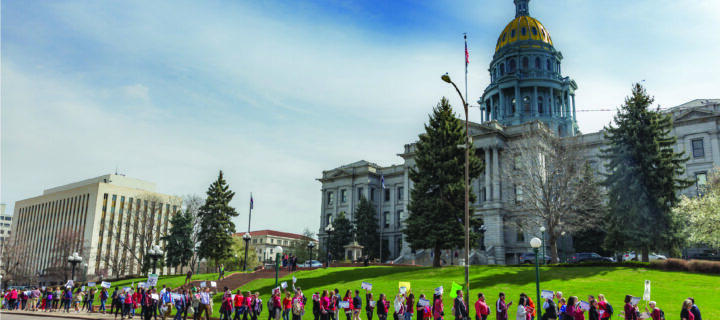
Since 2017, Boulder Valley School District has seen a 2.3% decline in students per year. While the closing of public schools has yet to take place, the continued trend could be detrimental to funding. Paired with the dismantling of the U.S. Department of Education, there is an air of instability around public education. Even more uncertain is the sustainability of charter schools, which receive around $3,000 less per student on average than public education funding, making them more likely to shut down.
Charter vs. non-charter public schools
It is important to note that charter schools are public. In 1993, the Charter School Act was passed in Colorado. This laid a foundation for publicly subsidized charter schools, allowing them to apply to be tuition-free schools with more flexibility and autonomy than was permitted in a public school. The school cannot be home-based or religious, but can be rooted in alternative education. These freedoms can be with staff-to-student ratios, curriculum, or discipline policies.
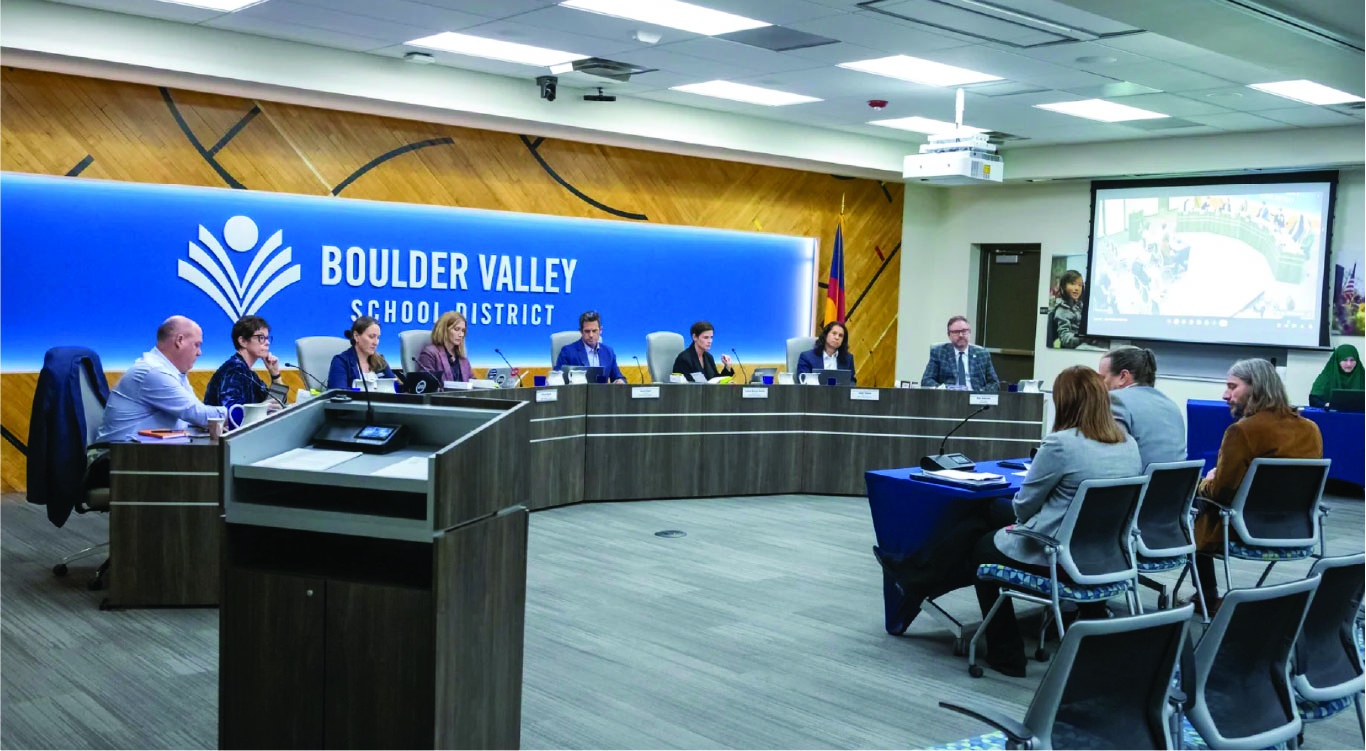
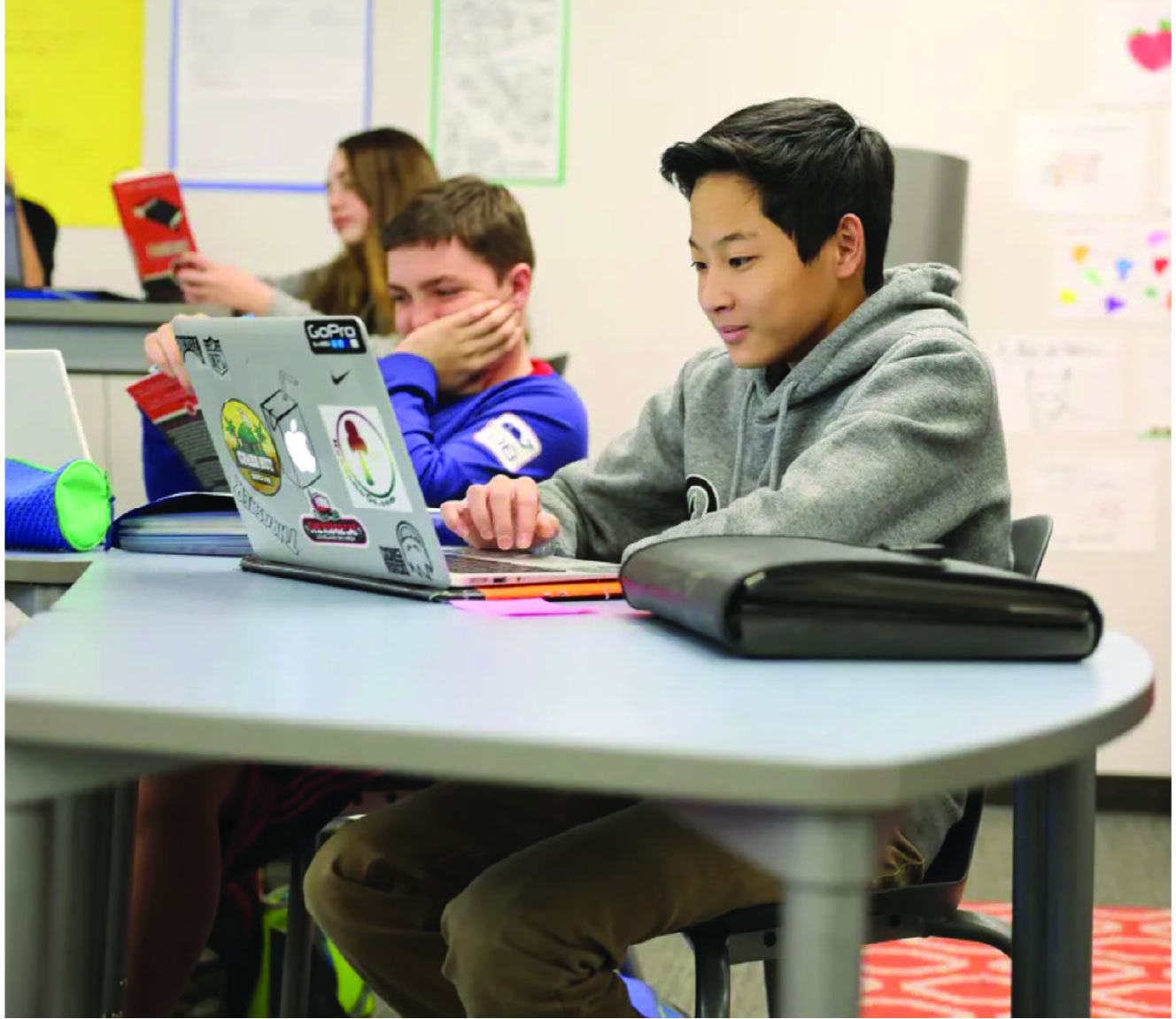 That said, charter schools do not exist in a vacuum; their existence is dependent on the residing public school district. Randy Barber, the chief communications officer for Boulder Valley School District explained, “Our board has been very proactive in terms of ensuring the policies are in place for charter schools. The school district is the authorizing charter of those charter schools. So they apply with us, then they work with us on a regular basis with yearly reviews and a renewal every five years.”
These evaluations include looking at financial projections, academic plans, performance, and organizational effectiveness. Barber expanded, “We look at every school, charter, or district-run school as a Boulder Valley School District school, and we are exceptionally proud of them. There are great options for our kids.” Barber went on to explain that the district does not see any division between the schools and that both are deserving of bonds and tax dollars in the eyes of the school district.
Criticisms of charter schools
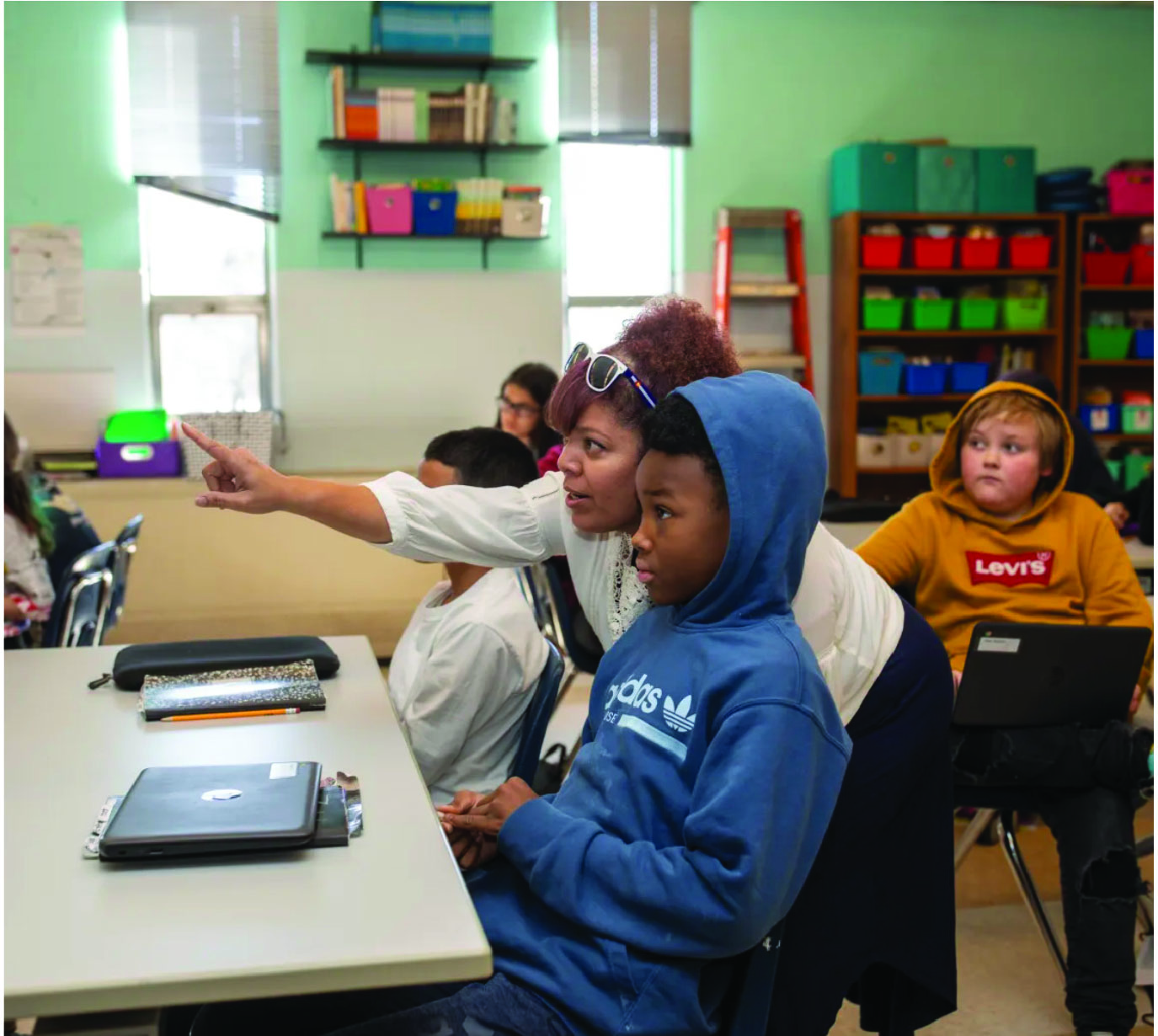
In a time where public education and its funding are at risk, charter schools are under even more scrutiny. Specifically, charter schools are blamed for increasing segregation, creating competition among public schools, and being a less stable option for families.
Segregation
The claims that charter schools encourage segregation in education, as many districts open charter schools in higher BIPOC neighborhoods. Often, this leads to a race or class division in the schools.. In the case of Colorado, primarily Denver and Aurora, neighborhoods became less segregated while schools became more segregated. Because Colorado honors the choice system, families and students can apply to enroll in any in-district school, assuming there is availability. This means the segregation is not due to boundary lines or is not inherently forced by the school district, though there is no clear evidence why some students are choosing one school over another.
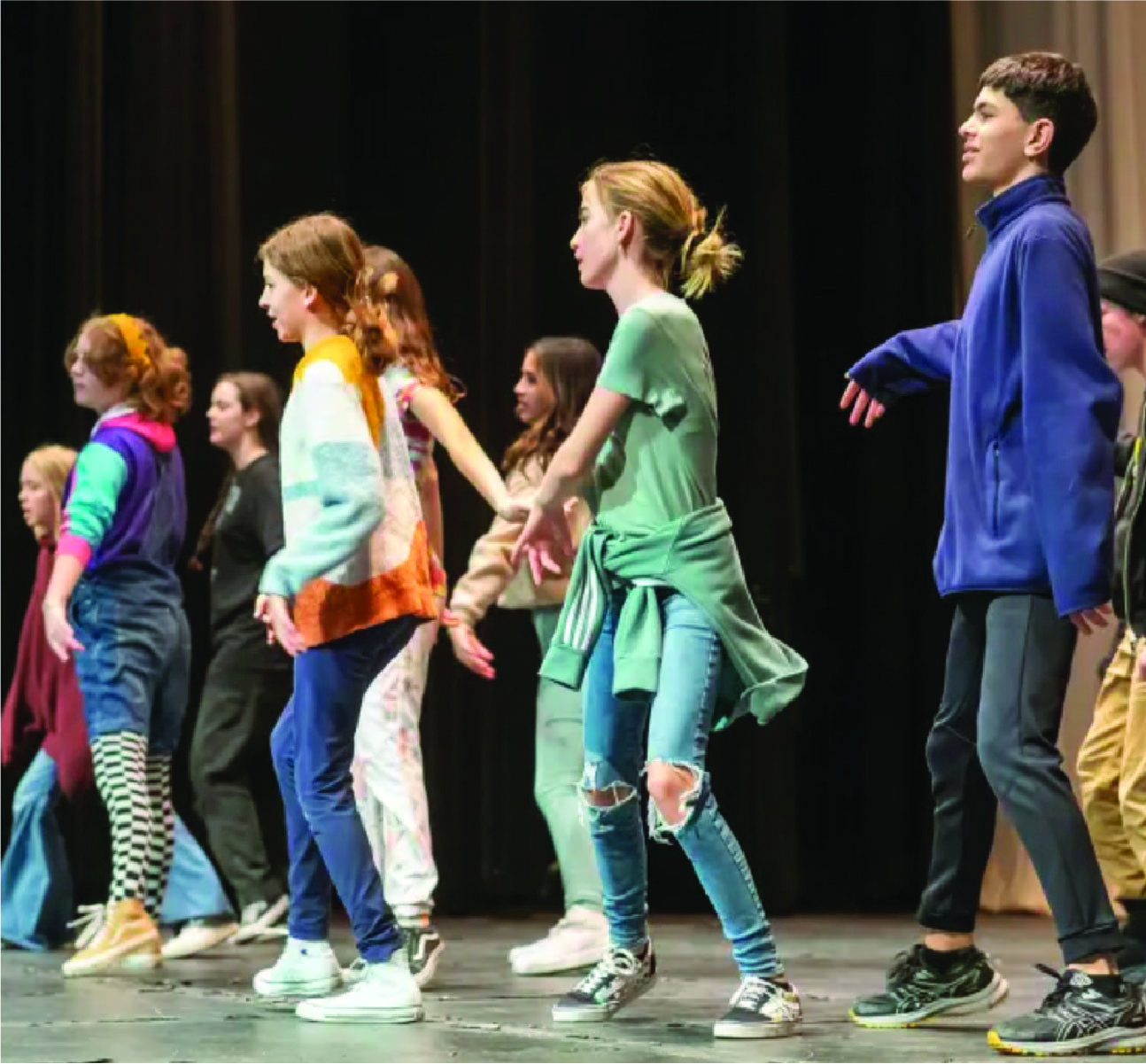 However, transportation is a significant barrier for a student to attend their school of choice. School or public transportation may not exist to ensure a student attends their preferred school, and not every family has reliable transportation of their own. Additionally, language barriers are cited as an obstacle when it comes to choosing a school. In Denver, especially, students who are identified English language learners have been shown to be found in schools with a lower socioeconomic status. According to a recent report examining segregation in Denver schools, facilities with a lower socioeconomic status have a graduation rate that is 2.1-16% lower than schools with a higher SES.
BVSD is actively working to prevent any segregation within the district, charter school, or otherwise. Dr. Bianca Gallegos, executive director of strategic partnerships at BVSD, explained how “[BVSD has a] variety of choices and places for students to find what their passionate about and to be able to really grow and excel. We have IB [International Baccalaureate] and schools with a Montessori focus. We also have dual-language schools in BVSD, which is huge.” Gallegos went on to explain that all schools, charter, and otherwise, are tied to the Grad Plus framework?”In BVSD, it’s a promise for all of our students to graduate with more than a diploma, so they graduate with at least one of the following: college credits, industry certification, seal of biliteracy, or work-based learning.” Students also have the opportunity to not only graduate with a high school diploma but also an associate degree, if that is the path they choose to take.
Funding and competition
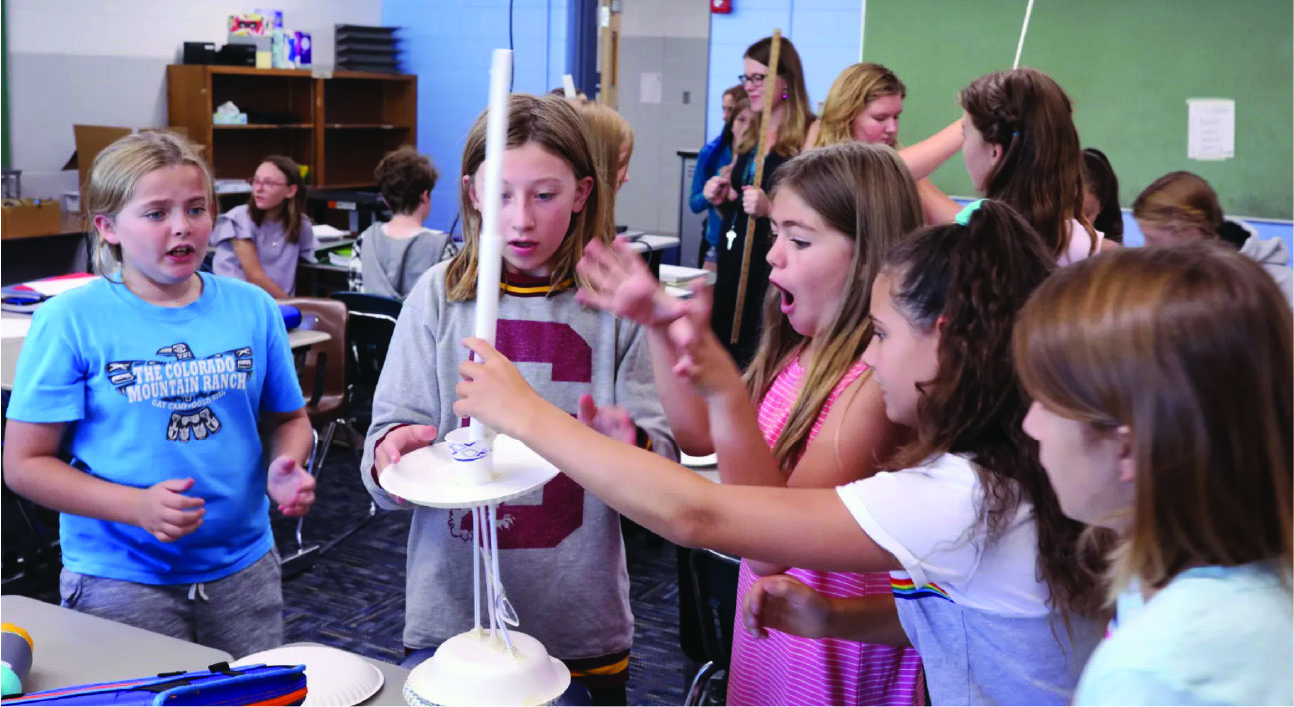
A downside to charter schools, and the choice system as a whole, is that the less-attended schools will get less funding. In the United States, an average of 330 new charter schools open each year. As schools meet different needs, students migrate from one school to another, taking the tax dollars with them. This leaves the less desirable schools even more at a disadvantage.
Robbyn Fernandez, the assistant superintendent of schools for BVSD, responded to the potential disproportionate funding with a hard hit of truth. Schools, in general, $60 million underfunded, to be exact. Public schools, whether charter or otherwise, are struggling.
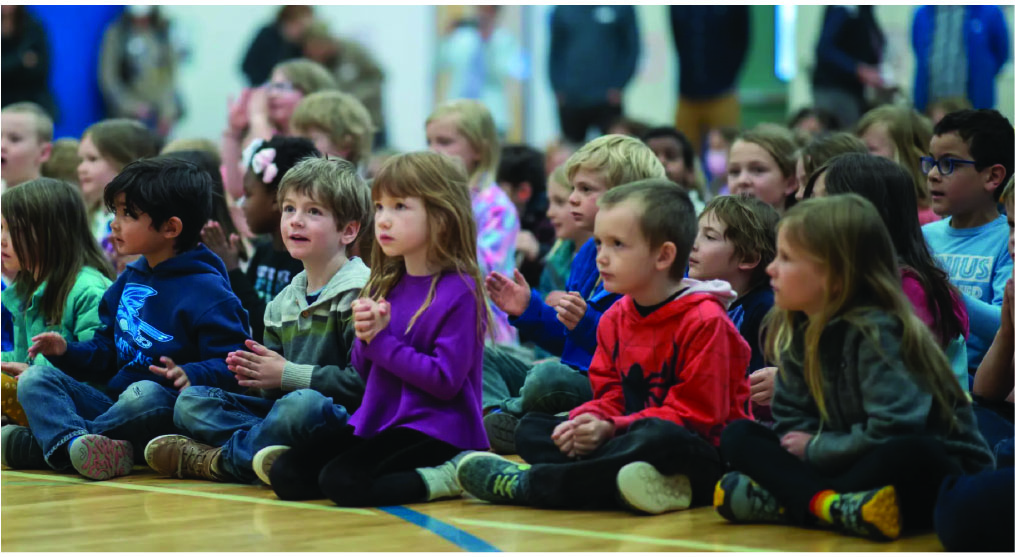
But really, where are the kids?
They are not in the district-run classrooms. They are not in the charter schools. Where are they, and their allocated funds, going?
First, there has been a decline in the birth rate, with 2024 being reported as an all-time low. However, that should not be impacting schools just yet. However, with enrollment already decreasing, another major upset can be predicted for when the 2024-born babies hit the school system in three to five years.
Second, post-Covid and with a fundamentalist resurgence, there has been an increase in homeschooling. In the 2021-2022 school year, homeschooling increased from 2.5 million to 3.1 million students nationwide. This move is now incentivized with an additional tax credit for families that choose to homeschool.
Finally, 40% of private schools reported an increase in enrollment for the 2024-2025 school year. Reasons for choosing private schools cited post-Covid education standards as the primary reason, but Christian learning and freedom in education were also top reasons for the switch. Private schools, with their for-pay system are really the divider of the haves and have nots, more so than publicly funded charter schools.
According to the Trump administration, the Department of Education is not making strides in improving education. Their mission states that they want to “save children and families fron the system that is failing them.” The goal is to make states accountable for education- a great idea if the nation were smaller, but every state has its limits in funding and support. Without centralized resources and regulations, some ban or enforce any education desired.
When society is faced with overworked teachers, decreased funding, and school closures, it can seem like the education divide is the cause. But, the deeper, systemic issues are still prevalent. Fernandez offered this reminder: There is more to public education than learning. “Public schools are a community center. They are a place for a neighborhood to come together.” Without funding for our public schools, charter or otherwise, our future is at a disadvantage for community and the workforce.
Like journalism like this? Consider becoming a sustaining supporter (and get our printed copy monthly at home.)
Democracy needs journalism more than ever. We’ve been telling the truth for 24 years. Your support helps us keep telling it for at least the next four years.
Democracy needs journalism more than ever. We’ve been telling the truth for 24 years. Your support helps us keep telling it for at least the next four years.