





For 25 years, Yellow Scene Magazine has been a trusted voice in local election coverage. Every candidate featured here was interviewed in person, by phone, or via video—never by email. We believe voters deserve authentic, unscripted answers, and the only way to achieve that is through real conversations that allow for follow-up and nuance.
Our writers—Guethshina Altena, Mandie Johnson, Akshaya Krishnan, Jamie Lammers, Owen Swallow, and Noell Wolfgram-Evans—approached each interview with integrity and fairness, ensuring candidates were heard in their own words.
Endorsements were determined collectively by our editorial board, including our team of writers, Associate Editor Lexi Miller, and Publisher Shavonne Blades, based on which candidates best align with the values of Yellow Scene Magazine and the communities we serve.
Update 10/22: Sean McKenzie was added and endorsed for Broomfield Ward 4.
Update 10/24: Austin Ward, upon more review, was endorsed for Broomfield Ward 2.
Board of Education
Board of Education Questions:
ENROLLMENT
Enrollment has been declining; what can be done to keep kids in public schools?
DEPARTMENT OF EDUCATION (two parts)
What are your thoughts on the attempts to defund and dismantle of the Department of Education at a federal level?
How do you plan to support schools if the DOE is dismantled?
STUDENT SUPPORT
What is most important in supporting students in today’s climate?
TEACHER SUPPORT
Colorado has experienced a staffing shortage; how can teachers best be supported?
SAFETY
How can safety be implemented in schools?
St Vrain Valley School District
District B
Peggy Kelly: REFUSED INTERVIEW
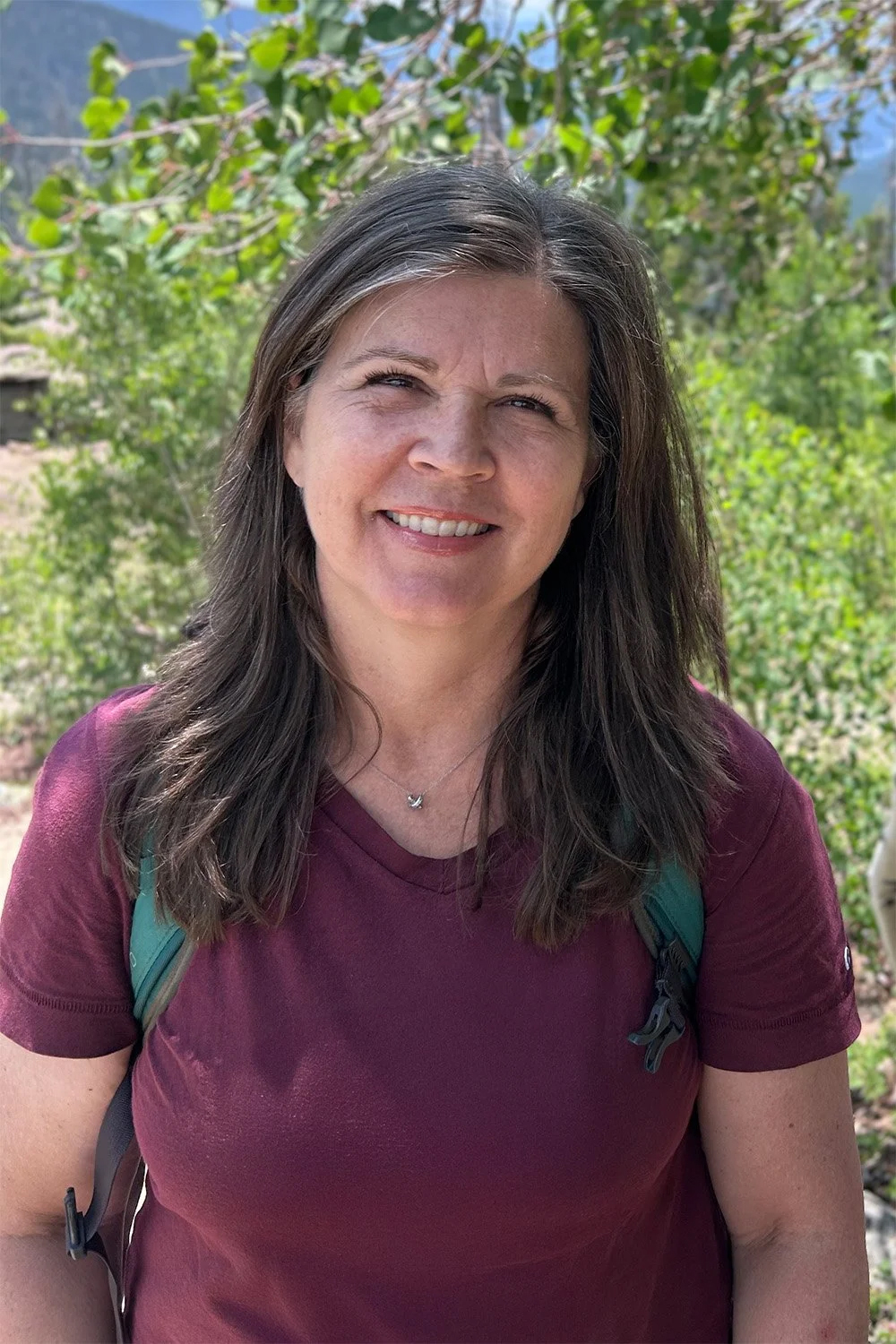 Hadley Solomon – ENDORSED
Safety: In addition to keeping students physically safe, we must ensure they feel honored, respected, and valued for who they are. A strong school culture should make students feel safe without even having to think about it.
Teacher Support: Teaching must remain an appealing career. That means creating an environment that’s supportive and well-compensated. Our starting salary is the highest in the state, showing our commitment to helping teachers work and live without financial stress.
Student Support: Technology is moving fast, but education must stay human-centered. Students can bring what they learn from technology into the classroom to expand understanding.
Enrollment: A strong public school system unites a community. We need to show the value of public education in what our kids learn and how that benefits all of us.
Defunding the Department of Education: Colorado’s funding system is complex, and losing federal support would create major shortfalls, especially for Title I schools. We’ll need to untangle finances to ensure every child continues to receive a quality education.
District D
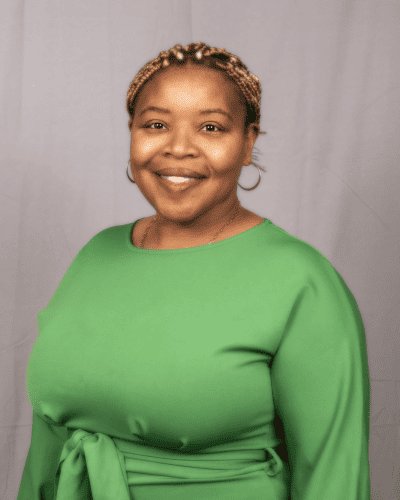 Meosha Babbs – Incumbent, ENDORSED
Safety: Safety is one of our top priorities. Funding from the 2024 bond issue is improving both physical and non-physical safety measures. Every high school now has an SRO, and middle schools have campus supervisors to ensure students feel secure.
Teacher Support: We’re not seeing a shortage of teachers because we prioritize staff. We give them the tools and support they need to succeed. Our P-Teach program lets students earn transferable credits toward a teaching degree, helping grow our next generation of educators.
Student Support: It takes the whole community to educate children. We can’t rely on the government alone. Parents, teachers, and volunteers must work together to keep our schools strong.
Enrollment: Our 411-square-mile district serves 33,000 students. We use data—birth rates, housing, and business trends—to forecast needs and use resources effectively.
Defunding the Department of Education: Lawmakers need to value education as they do defense or infrastructure. Too many decision-makers haven’t been in a classroom. We must invest where we claim our values are—our schools.
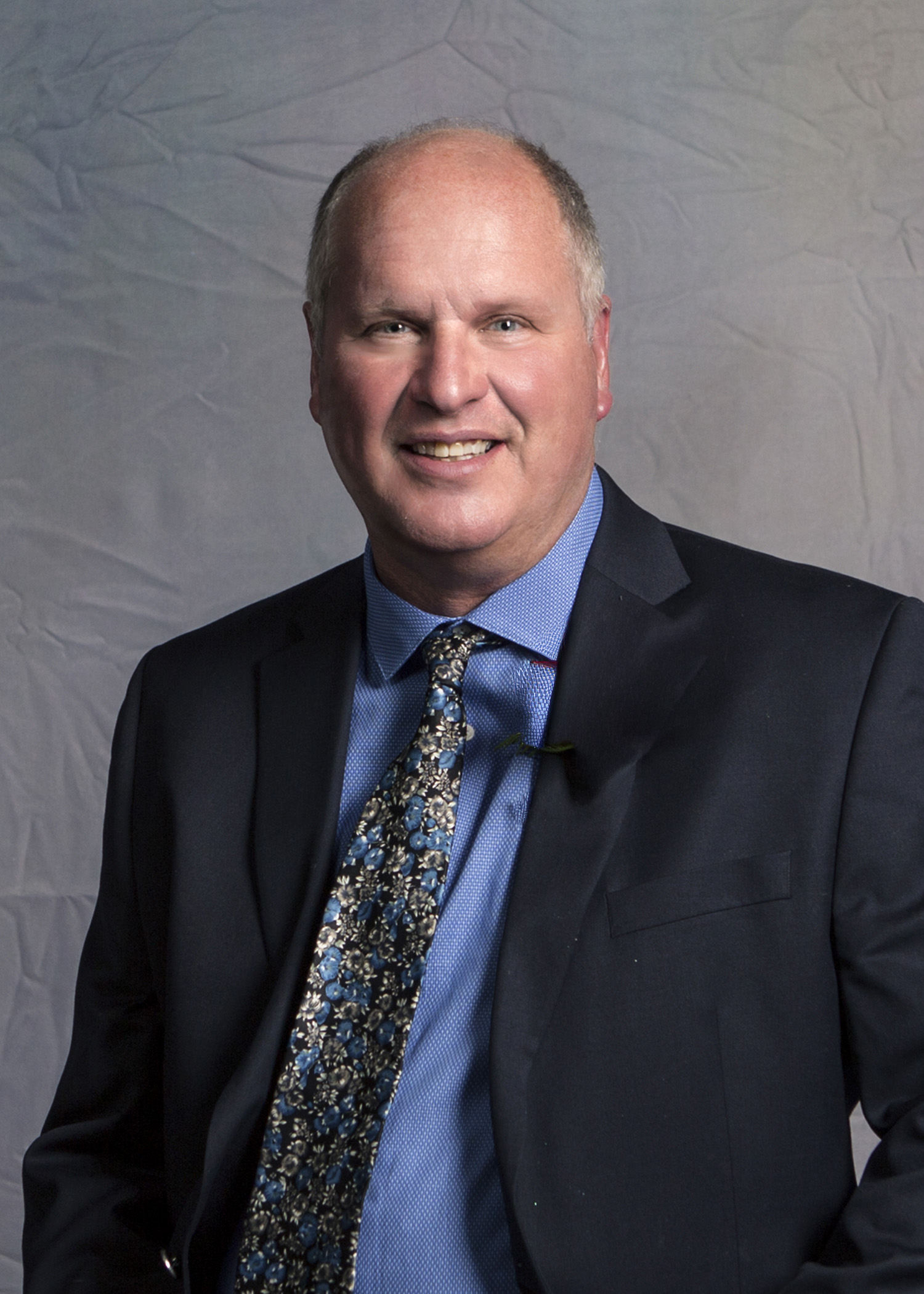 John Ahrens
Safety: Safety is central to everything we do—at school, online, and in the community. Our SRO program protects students while also building positive relationships with police.
Teacher Support: We offer the highest starting pay in the state, but support goes beyond pay. We provide opportunities for professional growth, credential renewal, and recognition. Respect and appreciation go a long way.
Student Support: Technology should enhance—not replace—learning. School should be a safe place for students to stretch their wings, make mistakes, and grow.
Enrollment: Attracting great teachers draws families. Programs like robotics, drones, and sports strengthen our appeal and keep students engaged.
Defunding the Department of Education: Most of our funding comes from local and state sources. Federal cuts would hurt students facing hardships, but this community always finds ways to meet needs and support mental health.
District E (Uncontested)
Jocelyn Gilligan: Did not interview – Incumbent, UNCONTESTED
Sarah Hurianek: Did not interview – Incumbent, UNCONTESTED
Boulder Valley School District
District B
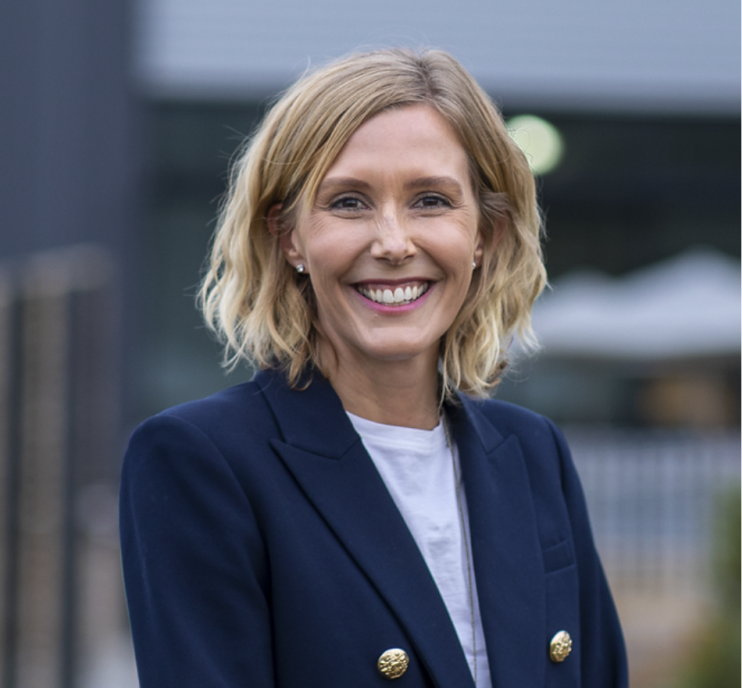 Nicole Rajpal – Incumbent, ENDORSED
Enrollment: To attract students, we must meet their needs and showcase our programs. Hosting BVSD showcases and analyzing why some families choose other districts help us adapt and strengthen community ties.
Department of Education: Most of our funding comes from the state, so advocating for stable and increased state funding remains a key priority.
Student Support: Our renewed strategic plan lays out specific supports for classrooms, schools, and staff. The board must ensure the superintendent stays focused on these goals.
Teacher Support: Great teachers make great classrooms. We need relevant professional development and access to the resources teachers rely on.
Safety: Recent events like the Fairview lockdown showed our safety systems work. Strong emergency protocols save lives.
Overall Campaign Goals: Every student deserves access to high-quality education. We’ve made progress, but must continue closing gaps in achievement, growth, and discipline while supporting student well-being.
District E
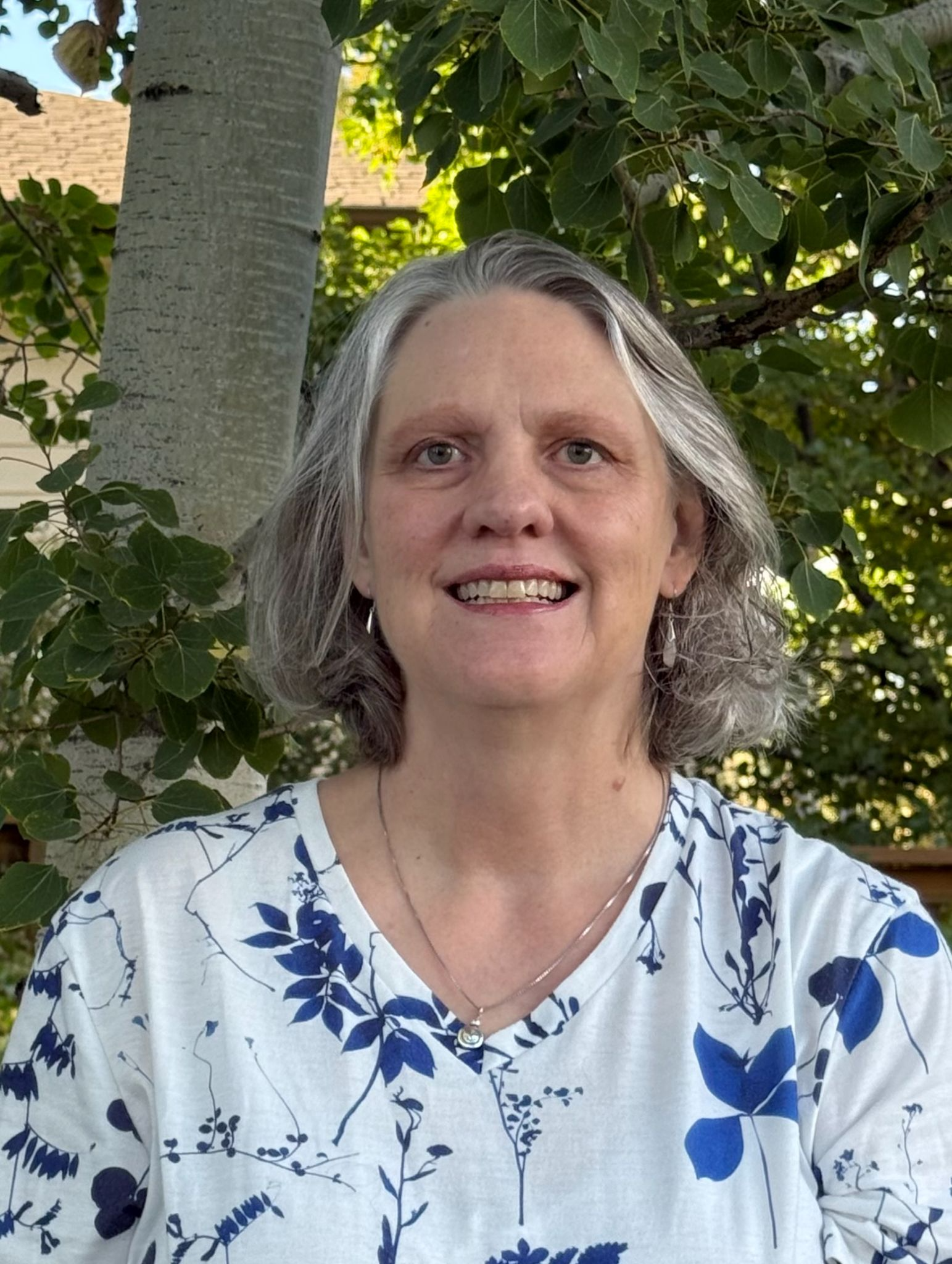 Deann Bucher – Incumbent, ENDORSED
Enrollment: Boulder Valley’s open-enrollment system attracts families from other districts, including students with special-education needs. While this can stretch resources, it’s a testament to our quality. I believe in neighborhood schools—they build community and belonging in ways that can’t be measured. As enrollment shifts, we must manage budgets carefully without losing what makes local schools vital.
Department of Education: The potential dismantling of the U.S. Department of Education deeply concerns me. Without federal oversight, we risk losing accountability and protections for students of color, students with disabilities, and other marginalized groups. The DOE enforces Title IX and ensures equity—critical safeguards that can’t disappear.
Student Support: Inclusion means giving every student freedom and voice. Years ago, opening our schools to all clubs—from Bible study to Gay–Straight Alliance—showed that fairness comes from welcoming all perspectives. When students feel heard, they feel safe.
Teacher Support: After 27 years teaching in BVSD, I know how hard educators work. I want them to have an ally on the board—someone who listens and advocates. We need creative ways to bring new teachers into the field, like paid training and internships that make the profession more accessible.
Safety: Gun violence has made some young people afraid to teach. We must strengthen mental-health support within schools—most school shooters are current or former students. Caring for the whole child means creating trusted, supportive environments.
Overall Campaign Goals: I’m running to protect BVSD from political attacks on public education. We were among the first to adopt LGBTQ+ protections and defend inclusion in court. I’ll continue that legacy by ensuring every student—especially trans students and students of color—feels safe, supported, and proud to belong.
 Jeff Anderson
Enrollment: We can’t fix low enrollment school by school. Over the next four years, we need a holistic approach that addresses districtwide impacts, starting with our elementary schools.
Department of Education: The Department of Education has been remarkably effective since its creation under President Carter. Losing its funding and services would strain local budgets. We must protect students while being efficient with taxpayer money.
Student Support: Students need guidance in managing both AI and the mental health challenges that can come with it. We should help them use technology wisely and maintain balance.
Teacher Support: Teachers must be trained to use AI effectively—it can multiply what great instructors can do. They also need competitive pay and community respect. Building public support for teachers helps everyone.
Safety: We can never make any school completely safe, especially high schools, but we must keep working to protect both students and staff.
Overall Campaign Goals: Safety and inclusion are my top priorities. I want every student in BVSD to feel welcome, supported, and secure.
District F
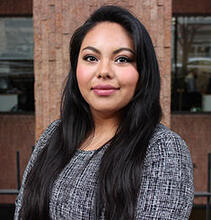 Ana Otting Temu
Enrollment: Declining enrollment is shaped by many factors—housing, zoning, and school choice. We need to understand those forces and work with the community to address them.
Department of Education: Many programs we’ve built over decades are now at risk. We need to be explicit about what works and maintain programs that directly support our students.
Student Support: Good governance requires equity and transparency. We must avoid policies that draw unnecessary political attention to our students and instead focus on meeting their needs.
Teacher Support: A strong union contract gives teachers the safety net they need to stay in the classroom and keep doing their work.
Safety: Safety includes emotional well-being. Programs that provide mental health resources are essential to keeping our students healthy.
Overall Campaign Goals: Open communication with the community and transparent decision-making are key. We must preserve the programs that serve our students and staff best.
City Council and Mayoral Questions
The questions our team asked were determined through consensus and were the same for all candidates. Each candidate was asked identical questions.
HOUSING AND DEVELOPMENT
The State requires a percentage of land to be dedicated to Affordable Housing. Would you like to increase the above state regulations?
HOMELESSNESS AND POVERTY
Like many Front Range communities seeing increasing conversations about homelessness. What role should the city play in addressing homelessness versus relying on county or regional programs?
OPEN SPACE
Broomfield passed a new Open Space 20-year roadmap in 2024 with goal of 40% of land remaining dedicated to Open Space. What would you like to see come from that?
FIRE MITIGATION
What are your goals to prevent wildfires that would put homes at risk?
CLIMATE-CHANGE/FIRE (two-part question)
New text needed
INTERNATIONAL CONFLICT/ GAZA
What is the role of local governments in dealing with international conflict, such as what is going on with Gaza?
SAFETY
What is the biggest threat to safety in your town?
More and more police departments are getting military grade weapons, including Lafayette. How will your police respond to overdoses, the unhoused, school shootings and protestors?
ICE
Do you support the police department working with ICE?
TRANSPORTATION
What are the issues facing transportation in your town?
BUSINESS SUPPORT
What is needed to encourage small businesses in your community.
Broomfield Election 2025
Mayor
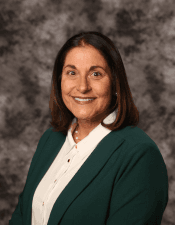 Guyleen Castriotta – ENDORSED
I was first elected Mayor of the City and County of Broomfield in 2021 after serving four years on City Council and two years as Mayor Pro Tem. I was re-elected in 2023 in an uncontested race.
Housing
Broomfield has expanded affordable housing through new zoning, policy, and regulatory changes. We’ve increased density to encourage compact, lower-cost development and aligned with recent state laws to speed up construction. In 2023, we strengthened our Inclusionary Housing Ordinance, now requiring that 20 percent of new units be affordable to households earning 60 percent of the area median income. These updates broaden housing options across income levels and help ensure that our community remains accessible to residents of all backgrounds.
Homelessness
Broomfield provides a comprehensive range of housing stability and homelessness prevention services through the Housing Alliance and local partnerships. The Housing Alliance connects individuals and families to home referrals and voucher programs, while during periods of extreme cold, we partner with Almost Home to activate the Severe Weather Activation Program (SWAP), offering hotel vouchers to those who need safe shelter. These programs reflect our commitment to compassion, dignity, and stability.
Open Space
Residents approved a quarter-cent sales tax dedicated to the preservation and acquisition of open space. These funds are used to purchase land for recreation, conservation, and outdoor activities, as outlined by the city charter. This approach gives residents a direct say in how open space is managed and maintained.
Transportation
Broomfield lacks sufficient representation on the RTD Board, which limits our ability to advocate for local transit needs. This has led to service gaps, particularly for transit-dependent populations, including paratransit users. Some neighborhoods, like The Grove, have been left without service since route discontinuations. I’m committed to working with regional partners to restore reliable, equitable transit options for all residents.
Business
Attracting new businesses often requires strategic incentives, especially in competitive retail and dining sectors. We’ve successfully redeveloped underutilized mall and big-box spaces into mixed-use developments featuring ground-floor retail—often local businesses—and residential units above, some reserved for residents earning $60,000 or less. These projects revitalize our economy and reflect Broomfield’s values of smart growth and community balance.
Safety
Broomfield’s police force is known for professionalism and ongoing training focused on de-escalation and community safety. Our co-responder program pairs officers with mental-health professionals to address crises compassionately. This approach keeps Broomfield’s violent-crime rate the lowest along the Front Range and reflects our city’s commitment to public well-being.
Fire Mitigation
The Marshall Fire was a near miss for Broomfield when the winds shifted at our border. That event prompted us to review emergency plans, strengthen wildfire education, and prepare to adopt Wildland-Urban Interface codes requiring fire-resistant materials in future development, especially in high-risk areas.
International Issues
Local governments must focus on what they can control—our neighborhoods, safety, and infrastructure. While broader issues matter, my responsibility is to keep Broomfield strong, safe, and resilient.
Kimberly Groom: DID NOT RESPOND
City Council
Ward 1
 Elizabeth Law-Evans
Affordable Housing
We certainly have a deficit of affordable and attainable housing in Broomfield. One question we must carefully assess is who is coming in. If we’re asking citizens and taxpayers to be generous with their resources, we must ensure those resources go to people who already have ties to Broomfield.
Homelessness
Rather than focusing solely on short-term fixes, I support a holistic approach that prioritizes mental health treatment, addiction recovery, and transitional housing. Working in partnership with nonprofits and regional programs will ensure lasting solutions.
Open Space
Maintaining 40 percent open space is a remarkable achievement and a reflection of Broomfield’s relative affluence. Our scenic trails and parks add to the city’s appeal, but that desirability also contributes to rising housing costs and property taxes. Preserving open space is vital, but it must be balanced with housing affordability.
Transportation
I fully support Broomfield’s police and will work with the chief to assess whether more officers or resources are needed for traffic enforcement. Highway 7 is a vital corridor that deserves long-term investment for safety and regional connectivity. As a cyclist and former member of the sustainability committee, I’m committed to expanding infrastructure for pedestrians, cyclists, and all forms of non-car transportation.
Safety
I have great respect for our police and first responders. Broomfield consistently ranks among the highest in the state for crime clearance, and I’ll continue to support law enforcement with access to the best technology and resources available.
Business Support
As a former small business owner in commercial real estate, I understand the challenges owners face. Too much time is lost to paperwork, regulations, and taxes. Rather than relying on incentives, I believe the best way to support small businesses is to simplify government processes so owners can spend less time on compliance and more on growing their business.
International Issues
Local governments should focus on local matters rather than taking positions on national or international concerns. As a member of the North Metro Fire Rescue District Board, I’ve seen firsthand the dedication of our firefighters—many of whom risk their own homes to protect others. With new wildfire mapping, we now have tools to strengthen prevention and build comprehensive plans for community safety.
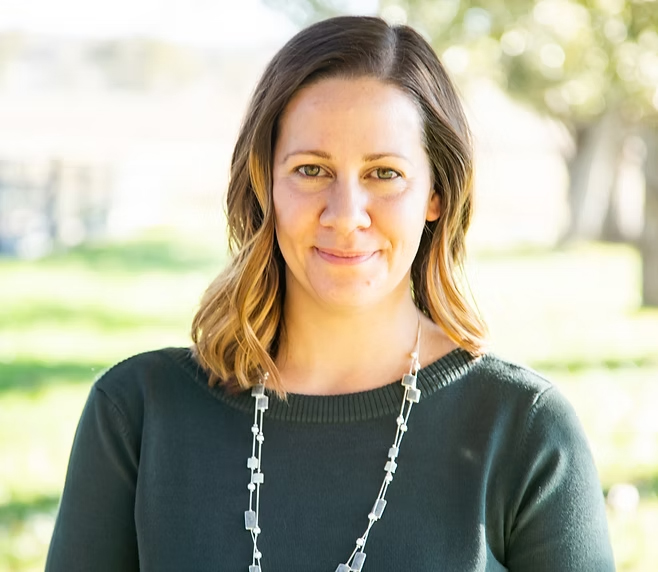 Julie Twiss – ENDORSED
Affordable Housing
Affordable housing is personal to me—I got my start in affordable housing, and I want my kids to have the same opportunity here. As a supporter of the Broomfield Housing Authority, I’ve worked to expand income-aligned housing and support inclusive developments for seniors and people with disabilities. I also support higher-density housing, efficient project approvals, and creative redevelopment—like the former FirstBank Center site—to meet our growing needs.
Homelessness
As a public librarian, I work every day with people experiencing or at risk of homelessness. Broomfield has strong partners, like The Refuge, but resources are stretched thin. We should expand programs that help residents stay housed—such as utility assistance—and strengthen partnerships with nonprofits to ensure vulnerable residents have the support they need, especially during extreme weather.
Safety
I strongly support Broomfield’s well-trained, community-focused police. Funding increases have expanded training and programs like the Mental Health Co-Responder initiative, which I’ve seen work effectively. As a parent, I’m deeply concerned about school safety and gun violence. These issues require thoughtful legislation and bipartisan cooperation to keep our community safe.
Open Space
I’m passionate about protecting and expanding Broomfield’s open spaces. Living near Broomfield Commons, I see every day how access to nature shapes our community’s quality of life. As we grow, we must balance housing needs with preservation to ensure future generations enjoy the same access to the outdoors that we do.
Transportation
Transportation will be a major focus of Broomfield’s 10-year strategic plan launching in 2026. It’s an opportunity to improve how we move through the city and strengthen our transit infrastructure. I’m especially concerned about RTD service cuts; Broomfield residents continue to pay RTD taxes, yet many routes haven’t returned since the pandemic. I’ll work to hold RTD accountable and ensure our community gets the service it pays for.
Local Businesses
Community feedback on the upcoming Town Square project shows residents want walkable, locally focused spaces with independent restaurants, cafés, and shops. I share those priorities and want the city to do more to help local entrepreneurs thrive. Creative incentives and financial support can help small businesses grow and ensure that development reflects Broomfield’s character.
Fire Mitigation and International Issues
My mother’s neighborhood was evacuated during the Marshall Fire, so I understand how quickly wildfires can escalate. We must strengthen regional collaboration, public education, and communication for residents in high-risk areas.
As a City Council member and County Commissioner, I believe it’s appropriate—and often necessary—for local officials to speak out on broader issues when they affect our residents. Representing Broomfield means reflecting the values and concerns of our community, even when those concerns extend beyond city limits.
Ward 2
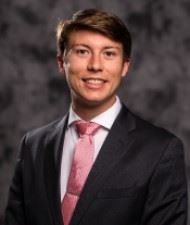 Austin Ward -ENDORSED, INCUMBENT
Affordable Housing
Since 2020, we’ve enforced an inclusionary housing ordinance requiring that 20 percent of new rental units be affordable for households earning 60 percent or less of the Area Median Income. Developers can also opt to pay a “cash-in-lieu” fee or a mix of both. Flexibility is important, but so is accountability. We’re also focused on supporting residents earning below 30 percent AMI, where housing and childcare costs make basic needs unaffordable.
Homelessness
Because Broomfield operates under a consolidated city and county model, we can deliver housing and workforce programs efficiently. Strengthening these services for low-income and working families remains a priority, especially for those struggling to meet basic needs.
Open Space
Our open space roadmap ensures that all residents—regardless of income or background—can access open lands, parks, and green spaces. Our goal is for every resident to live within a 10-minute walk of a park. Moving forward, we’ll prioritize investments in neighborhoods that currently lack access.
Fire Mitigation
Western and northern Broomfield face the greatest wildfire risk. We’re enforcing fire-resistant building standards, managing vegetation, expanding public education, and strengthening coordination with neighboring cities. Wildfires don’t stop at city borders, so our preparedness can’t either.
Safety and Police
Public safety is holistic—it means preventing crime but also addressing the social and economic conditions that affect security. Broomfield’s police department is fully staffed, and our officers reflect community values. Through our BCORE program, officers partner with mental-health professionals to respond compassionately to crises, ensuring residents in distress get help, not punishment.
Immigration and ICE
Our police follow the law, but immigration enforcement should remain the responsibility of federal agencies. Local officers are here to protect residents, build trust, and keep the community safe. It’s not appropriate for them to assist in federal immigration operations.
Transportation
Broomfield’s transit access is similar to nearby cities, but we need to do better. RTD must apply equity when planning routes—too often, financially vulnerable residents are overlooked. Expanding microtransit, improving sidewalks, and adding protected bike lanes will give residents safe, reliable alternatives to cars.
Local Businesses
Broomfield’s small business grant program has already made a difference, helping companies like LaBelle replace essential equipment and stay open. Expanding these programs and adapting financial incentives for small, locally owned businesses will strengthen our economy and community ties.
Community Values
I’m committed to ensuring Broomfield remains a place where everyone—regardless of income, gender, or immigration status—feels safe and supported. Being undocumented is not a crime. Everyone deserves stability and a sense of belonging.
Colin Dielmann: DID NOT RESPOND
Ward 3
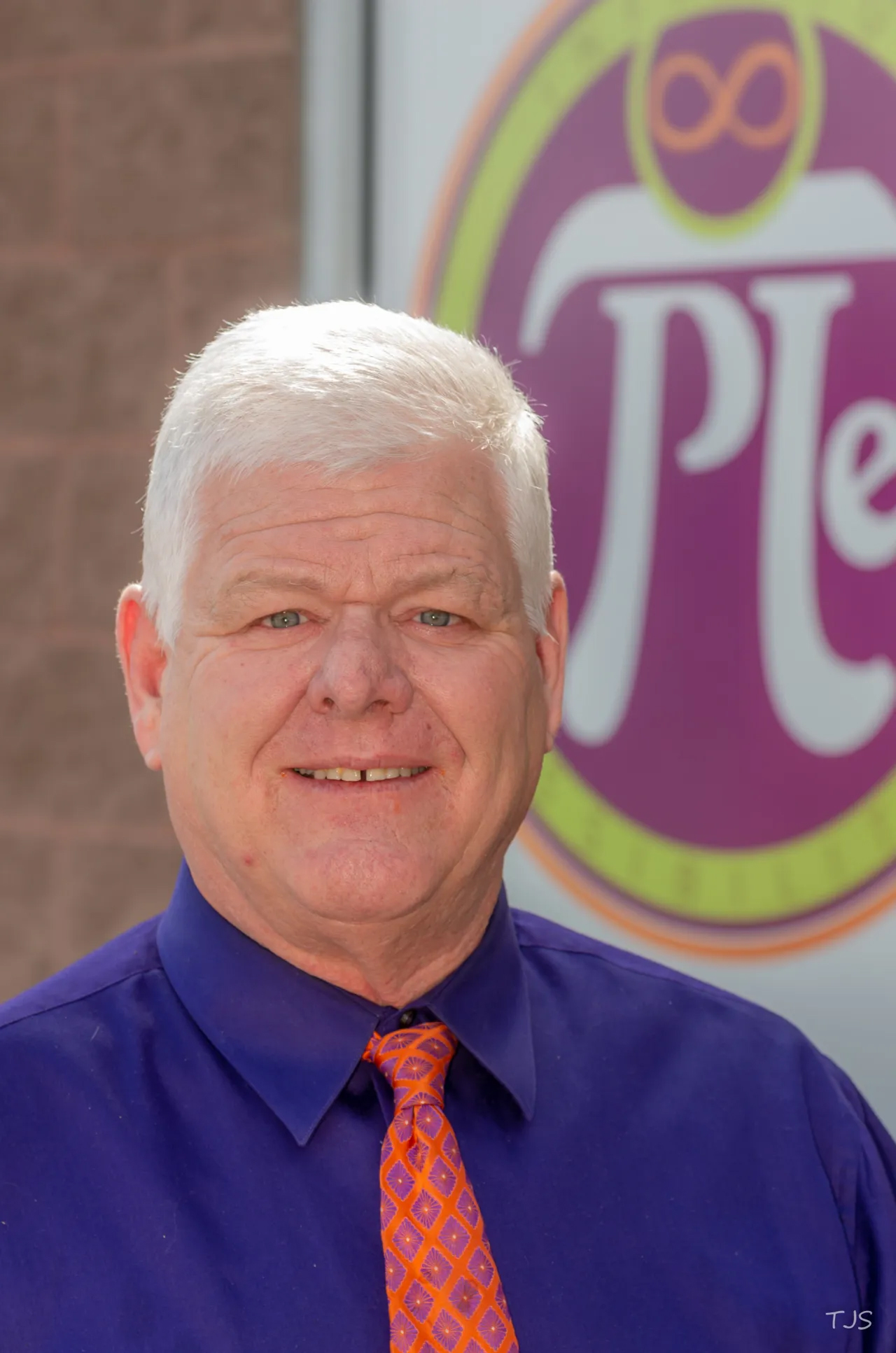 Peter B. Crouse
Housing
I’m a pro-density candidate. Advocating for construction law reform at the state level is critical to housing affordability. Strategic zoning and smart density help preserve open space and reduce air pollution.
Homelessness
Homelessness will continue to grow, and mental health plays a major role. I’ve been involved with Broomfield FISH, which my mother started in 1965. The city must coordinate with state and federal partners to ensure we have the resources to address homelessness effectively.
Open Space
Open space comes with costs—less room for development and ongoing maintenance. While preserving 40 percent of land is a laudable goal we’re close to achieving, it also involves difficult trade-offs we must manage responsibly.
Fire Mitigation
Higher density means less pollution and a smaller carbon footprint. Open spaces must be actively managed—through trimming, equipment, or grazing—to reduce fire risk.
Safety
Broomfield has the lowest crime rate of the seven metro counties. I recently toured our police department and jail, which serve as national models. We’re a safe community, and I’ll work to keep it that way.
ICE
I do not support ICE working with our police.
Business Support
As a restaurant owner in Broomfield, I know success depends on performance and customer loyalty. I don’t believe city funds should subsidize private business; success should come from service and quality.
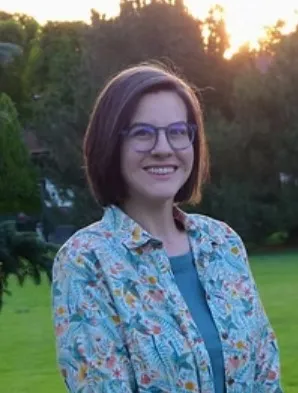 Sarah Braun – ENDORSED
Housing
A few years ago, we proudly passed an Inclusionary Housing Ordinance to expand income-aligned housing across Broomfield. It’s been an important step, but we still need innovative approaches. I’m especially interested in partnerships like those some Colorado school districts are exploring to provide housing for teachers and essential workers. Too many can’t afford to live where they serve. I’d work with the Broomfield Housing Alliance and our schools to explore solutions that keep vital professionals rooted in our community.
Homelessness
Keeping people safe and supported is foundational to Broomfield’s long-term success. We’ve partnered with nonprofits that connect residents in crisis to vital resources, but seniors on fixed incomes remain especially vulnerable. I’m a strong supporter of our Co-Responder Program, which pairs mental-health professionals with police officers to connect unhoused residents with services compassionately. It’s a smart, humane approach that reflects our community’s values. We must continue strengthening these partnerships so everyone can live with dignity and security.
Open Space
I’m a strong proponent of protecting open space and believe maintaining around 40 percent is a healthy, balanced goal for Broomfield. Residents consistently tell me open space is what they love most—our mountain views, easy access to trails, and proximity to nature. It’s what makes Broomfield special. We need to keep prioritizing and protecting these lands because they define our community’s character, contribute to our well-being, and preserve the natural beauty that draws people here.
Transportation
Speeding and congestion are ongoing concerns, and I’m glad the city completed a year-long Transportation Safety Action Plan focused on our most dangerous intersections. There’s also discussion about speed cameras, which must be implemented thoughtfully and transparently—I value privacy and accountability. We can’t rely solely on delayed federal funding; safety improvements should move forward with urgency. My goal is to make our roads safer for drivers, cyclists, and pedestrians while ensuring solutions align with community values.
Safety
Public safety is essential, and I’m meeting with our police department to understand their operations and ensure alignment with community values. Broomfield is fortunate to have a low crime rate, and a second police station will help maintain responsiveness as we grow. I believe in balanced policing—officers available when needed, but engagement grounded in trust and transparency. True safety is about partnership, accountability, and ensuring law enforcement reflects the community it serves.
Business Support
Many Broomfield businesses open with excitement but struggle to stay. If we want a resilient local economy, we must help entrepreneurs thrive. I’ve seen firsthand how our Economic Vitality Department supports small businesses with training, loans, and grants. Continuing to invest in these programs strengthens our local identity and keeps opportunity close to home. Supporting small businesses isn’t just about commerce—it’s about sustaining the people and relationships that give Broomfield its heart.
Wildfire Mitigation
With a master’s in public administration focused on emergency management, I take wildfire risk seriously. Broomfield sits on the wildland-urban edge, and as fires intensify statewide, preparedness is essential. I support the new WUI building code and believe education, transparency, and community readiness are key. Residents should understand their risk, insurance coverage, and mitigation options. We also need better early-detection systems. Acting proactively will protect our homes, families, and long-term resilience.
Ward 4
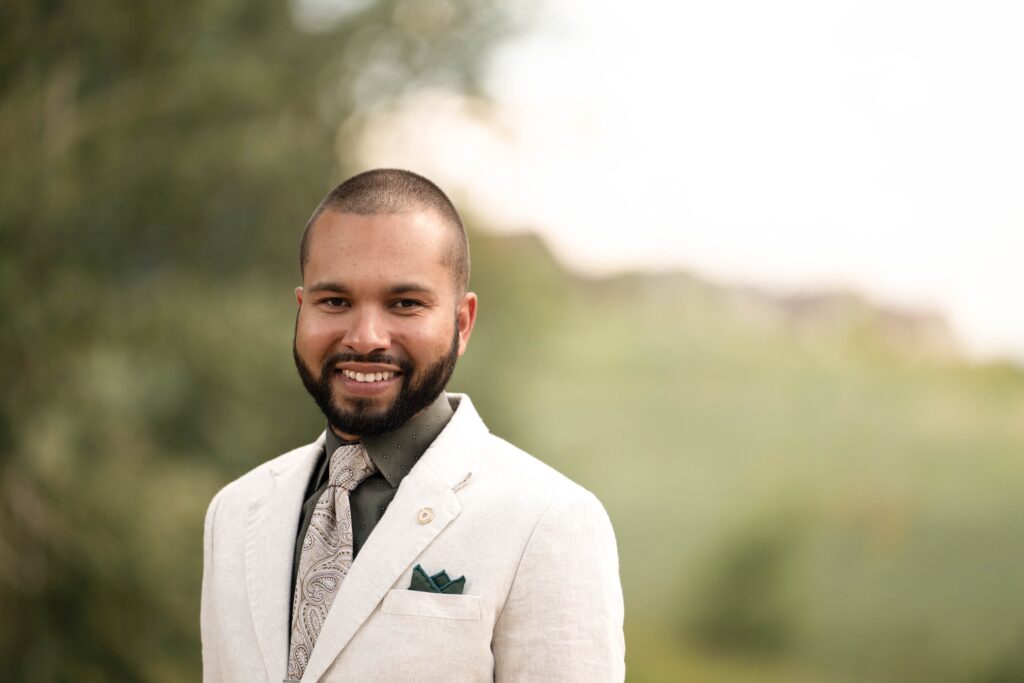 Sean McKenzie– ENDORSED
Affordable Housing
Not everyone, not every resident in Broomfield, is going to be able to make career adjustments or grow their income with inflation. I’m particularly concerned about the seniors, because from what I know, their population is set to double as we increase the overall population of Broomfield, that specific population is set to double. I want to make sure that our seniors can stay with us and live in Broomfield and be able to downsize if they need to.
Homelessness
When I think about the budgets, I think about, how can we optimize the budgets and make it efficient so that we can help our partners, like Broomfield Fish, maximize the work that they can do. But, think beyond supporting these
Open Space
I’m very supportive of the open space the 40% and I think that as we build and develop as we grow towards the build out and maturity of the city over the next 2030, years, it’s important to have and keep that commitment And to weave in these aspects of open space connection to nature through the development process. When it comes to development, we need to think holistically and not just have it sectioned off, but sort of an integrated approach.
Wildfire Prevention
We need t mitigate risk in all dimensions. We need to partner with law enforcement and the fire department to ensure safety as well as work on sustainability. Climate change is only going to get worse with more droughts and decreasing snowpack.
Public Safety
Broomfield as a relatively safe community; the biggest threat to our safety is inadequate funding for first responders.
Immigration/ICE
I am not supportive of the way in which the immigration agenda has unfolded in our country. And again, I think as a city and county council member. My job is to focus on my city and county and making sure that our police department are focused on their job, keeping crime down, keeping us safe.
Transportation
We are going to continue to grow as a city and county so as population increases, there may be more possibility for accidents and things of this nature. The majority of residents in Broomfield work outside of the city. We need to keep up with road maintenance and make sure law enforcement is appropriately funded.
Local Businesses
Better funding for local businesses means that they can hire more local employees, keeping the money and work in Broomfield. With funding and support, we can create an ecosystem where small businesses can weather the storm and survive.
 Larry Hardouin
Affordable Housing
I’m aware that Colorado law (CRS § 29-32-105) requires local governments to increase affordable housing by at least 3% annually. While Broomfield has made progress, I haven’t seen public reporting tied directly to that target. The Broomfield Housing Alliance (BHA), now our official Housing Authority, plays a key role. If elected, I’ll collaborate closely with the BHA to ensure compliance with state requirements, track our progress, and pursue data-driven solutions that promote housing stability and affordability.
Homelessness
Because Broomfield is both a city and a county, we must take responsibility at the local level while also collaborating regionally. I support partnerships with neighboring cities—including Westminster, Erie, Lafayette, Louisville, Superior, and Boulder—to share data, expertise, and resources. Working together allows us to better plan, coordinate outreach, and provide consistent support for people experiencing homelessness. Regional collaboration is essential to addressing this challenge compassionately and effectively across our interconnected communities.
Open Space
Broomfield’s Charter requires maintaining 40% of land as open space, and any change would require voter approval. I support honoring that commitment. We should develop a clear plan for acquiring remaining open space to meet this goal and ensure we have long-term maintenance strategies in place. Open space is vital for recreation, environmental health, and our community identity. Protecting and maintaining it for future generations must remain a top priority.
Wildfire Prevention
The new 2025 Colorado Wildfire Resiliency Code (CWRC) will take time to study and implement. Broomfield hasn’t yet adopted it but is piloting a local mapping project using the state’s required methodology. In early 2026, we’ll hold a study session and community meeting before any adoption decision. Reducing wildfire risk is an ongoing responsibility, and as a Council member, I’ll continue supporting prevention efforts, community education, and preparedness to safeguard homes and residents.
International Issues
City Council’s focus must remain on Broomfield’s local priorities—housing, transportation, and public safety. While international and federal issues matter deeply, they generally fall outside our jurisdiction. If a federal issue directly affects Broomfield residents or local operations, we can and should share feedback through our congressional representatives. My goal is to keep City Council’s energy focused on practical, community-centered action where we can make the greatest local impact.
Public Safety
Public safety consistently ranks as one of Broomfield’s highest community priorities. Resident surveys show strong satisfaction with police, fire, and emergency services. The city tracks how safe people feel, along with police responsiveness, equity, and respect across neighborhoods. These metrics drive ongoing improvement. I believe Broomfield’s public safety performance is excellent, and we’ll keep building on that foundation through transparency, responsiveness, and community engagement to ensure residents continue to feel safe and supported.
Transportation
Traffic management in Broomfield requires ongoing attention. I support continuing traffic studies, safety audits, and incremental improvements to address congestion and speed concerns. There’s no single solution—progress will come from steady, data-informed planning. By prioritizing road safety, intersection improvements, and collaboration with regional partners, we can make transportation more efficient and safer for drivers, cyclists, and pedestrians throughout our growing community.
Local Businesses
Supporting small and locally owned businesses starts with listening. I plan to meet with business owners to learn what’s working and where city policies can improve. As Broomfield grows, we must balance residential and commercial development. The city currently spends more on services for homes than it collects in taxes, so commercial growth helps close that gap. Encouraging both local entrepreneurship and responsible corporate expansion is critical to maintaining fiscal balance and community vitality.
Chad Swenson: DID NOT RESPOND
Ward 5
 Todd Cohen – Incumbent, STRONGLY CONSIDERED
Affordable Housing
For residents earning 60–80 percent of the area median income, affordable housing remains a challenge. We’ll keep working with developers to expand options, and the new zoning law allowing higher density in select areas will help address worker housing insecurity.
Homelessness
Many people face hidden homelessness—living in cars, with friends, or couch-surfing. Solving this requires affordable housing, job access, and homeowner assistance programs that prevent families from slipping into crisis.
Open Space
Our long-term goal of preserving 40 percent open space continues. These lands offer room to breathe, protect wildlife, and enhance quality of life. Broomfield’s ranking among the healthiest places to live is no coincidence.
Transportation
We’re working to make Broomfield more connected to major highways while encouraging pedestrian-friendly design and dedicated bike lanes. Though we remain car-dependent, we can build a more walkable city.
Local Business Growth
Our Economic Vitality Department and Chamber of Commerce actively recruit and support businesses. With strong amenities and an affluent population, Broomfield is well-positioned for growth. We’ve managed resources efficiently since becoming a county in 2001 without raising tax rates.
Fire Mitigation
We’re conducting audits and collaborating with the state to improve safety. After the Marshall Fire, maintaining open spaces to prevent hazards is a top priority. Safety and environmental stewardship go hand in hand.
Safety
We’ve invested heavily in public safety—boosting police staffing by 50 percent and implementing the Co-Responder Program, which pairs officers with social workers. These efforts have helped maintain the lowest per capita crime rate in the region.
International
Broomfield focuses on local governance but remains open and inclusive. Every resident—immigrant, refugee, or longtime local—deserves equal access to services and to feel welcome in this community.
Boulder Election 2025
Boulder City Council (At-Large)
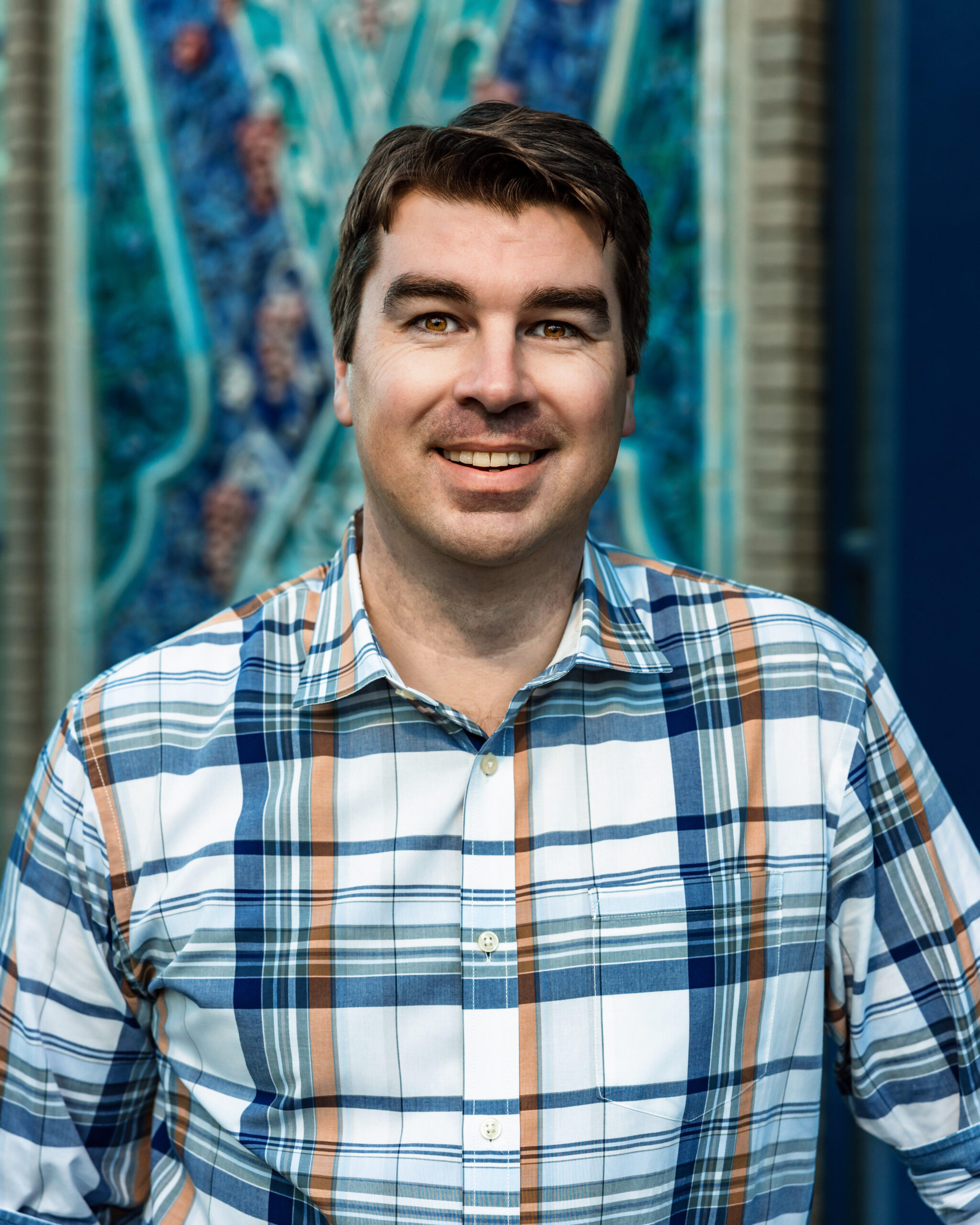 Matt Benjamin – INCUMBENT
Housing
We’re on track for 15% affordable housing by 2035—we’re already around 9% with a decade to go. The key is making it easier and faster to build what we want by streamlining permits and removing cost-driving barriers. We must free up places to build—CU South includes five acres for affordable housing, and the Area III Planning Reserve offers long-term potential with careful annexation. I support a vacancy tax and stronger renter protections (advance notice and relocation assistance) to stabilize neighborhoods.
Homelessness
I support the city’s data-driven 2025 Homelessness Strategy, which sets measurable goals to end rough sleeping. “Housing first for everyone” isn’t sustainable; we need rapid assessment and diversion to connect people with the right services—medical care, treatment, job support, or short-term shelter—rather than automatically entering long-term housing queues. This is regional: Boulder and Longmont can’t act alone. I’m pressing Boulder County for a cohesive strategy so cities complement rather than duplicate each other’s efforts.
Open Space
I support extending the Open Space Sales and Use Tax but shifting focus from acquisition to stewardship. We’ve purchased enough; now we must maintain and manage what we have. Farmers leasing county open space face competitive pressure from wage disparities across counties. To sustain local agriculture and climate resilience, we should consider subsidies or coordinated city–county–state policies that address “patchwork” wage issues so Boulder’s producers aren’t priced out by neighboring counties.
Wildfire Mitigation
Boulder isn’t ready for a major wildfire. The risk lies in thousands of existing homes—especially on the west side—without defensible space. We need retroactive mitigation: limb trees, remove juniper, and create five-foot noncombustible zones. Education and incentives should lead, but minimum standards will be necessary. This is about protection, not punishment. Losing hundreds of homes would spike prices overnight, so mitigation safeguards both lives and long-term affordability. We must act before disaster, not after.
Transportation
Boulder’s system must work regionally. RTD is restoring service; BRT on the Diagonal and Front Range Passenger Rail could be transformative. Locally, Vision Zero is the priority: redesign high-crash intersections, improve management, and add protected bike lanes and safer crossings. Budget constraints limit expansion, but targeted safety investments and regional collaboration can reduce severe injuries and deaths. Transportation isn’t just about moving cars; it’s about connecting people safely and sustainably across the region.
Local Businesses
Boulder has lacked a real economic development strategy; recruitment has been reactive as other cities grew. I support a comprehensive plan to recruit and support local businesses, tackle office vacancies with creative conversions, and lower barriers for startups. Rising costs hit independents hardest. I’d explore fee relief (e.g., outdoor dining), review tip-credit adjustments, and consider rebates to keep small operators competitive. Boulder should feel local, not just look expensive.
Safety
After the Pearl Street firebombing, many—especially in our Jewish community—don’t feel safe. That attack targeted people peacefully calling for hostages’ return. Antisemitism and hate speech have no place here. Silence enables hate; leaders must be vocal, consistent, and proactive in protecting every community—regardless of race, religion, gender identity, or background. Everyone deserves to feel safe and respected in Boulder.
Police
Under Chiefs Maris Herold and Steve Redfern, BPD has raised standards and embraced the Reimagining Policing Plan with clear accountability metrics. Oversight—through the Police Oversight Panel and an independent monitor—balances transparency and collaboration. Officers are trained in de-escalation and nonviolent response, including with unhoused residents. BPD does not partner with ICE absent a judicial warrant; ensuring body-cam documentation protects rights. Collaboration with profiling activities is off the table.
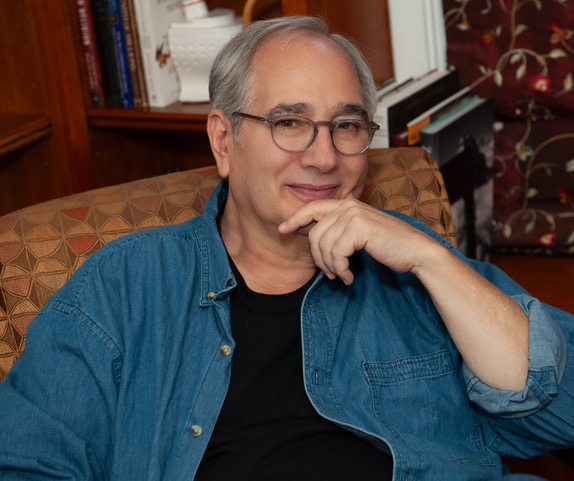 Mark Wallach – INCUMBENT
Public Safety
Downtown, the mall, and the Creek Path have conditions that are unacceptable. Without public safety, you don’t have a successful community—property values fall, businesses leave, and sales-tax revenue drops. My goal is to restore safety and stability in public spaces so residents and businesses feel confident in Boulder again.
Infrastructure
We have more than $300 million in unfunded projects: fire stations (two still in houses), rec centers, bridges, roads, and the police building. My first objective is to renew the infrastructure tax and start addressing fundamentals. A successful community takes care of its basics.
Wildfire Resilience
Boulder is in the 97th percentile for wildfire danger. With wooden homes and junipers—“gasoline on a stick”—we must harden the city: five-foot noncombustible zones, pruning, and replacing wood mulch with rock. Open-space fuel management is underfunded at ~$100,000/year; that’s inadequate. I support cost-share programs to help homeowners mitigate now—before one cigarette becomes a conflagration.
Open Space
Open space is central to why people live here. Changing its use for convenience—housing or otherwise—would be a nightmare. We should invest more in maintenance: grazing, mowing, and fuel reduction near neighborhoods without altering its character. Focus on managing what we have rather than constant acquisition.
Housing
Middle-income promises often ignore the math. The market won’t sell a $2M unit for $600K. The practical path is city-owned land where we control price and require the right mix—potentially including decommissioning the airport. I strongly support Boulder Housing Partners. Duplex zoning won’t deliver true middle-income when outcomes are $1.2–$1.4M; we need financially realistic approaches.
Homelessness and Mental Health
We can improve outcomes, but won’t eliminate homelessness altogether. Focus on diversion, centralizing services at All Roads, and continuing to enforce the camping ban. Prioritize families and long-time residents who’ve fallen on hard times. I support a treatment-plus-housing facility using adaptive reuse so police can focus on crime rather than revolving crises.
Transportation
Boulder’s system isn’t functioning: buses are erratic and often empty; not everyone can ride e-bikes in winter. We should improve reliability, shelters, and walkability, but anyone promising quick fixes is “blowing smoke.” These are long-term challenges requiring state and federal support we don’t currently have.
Jennifer Robins: Refused Interview
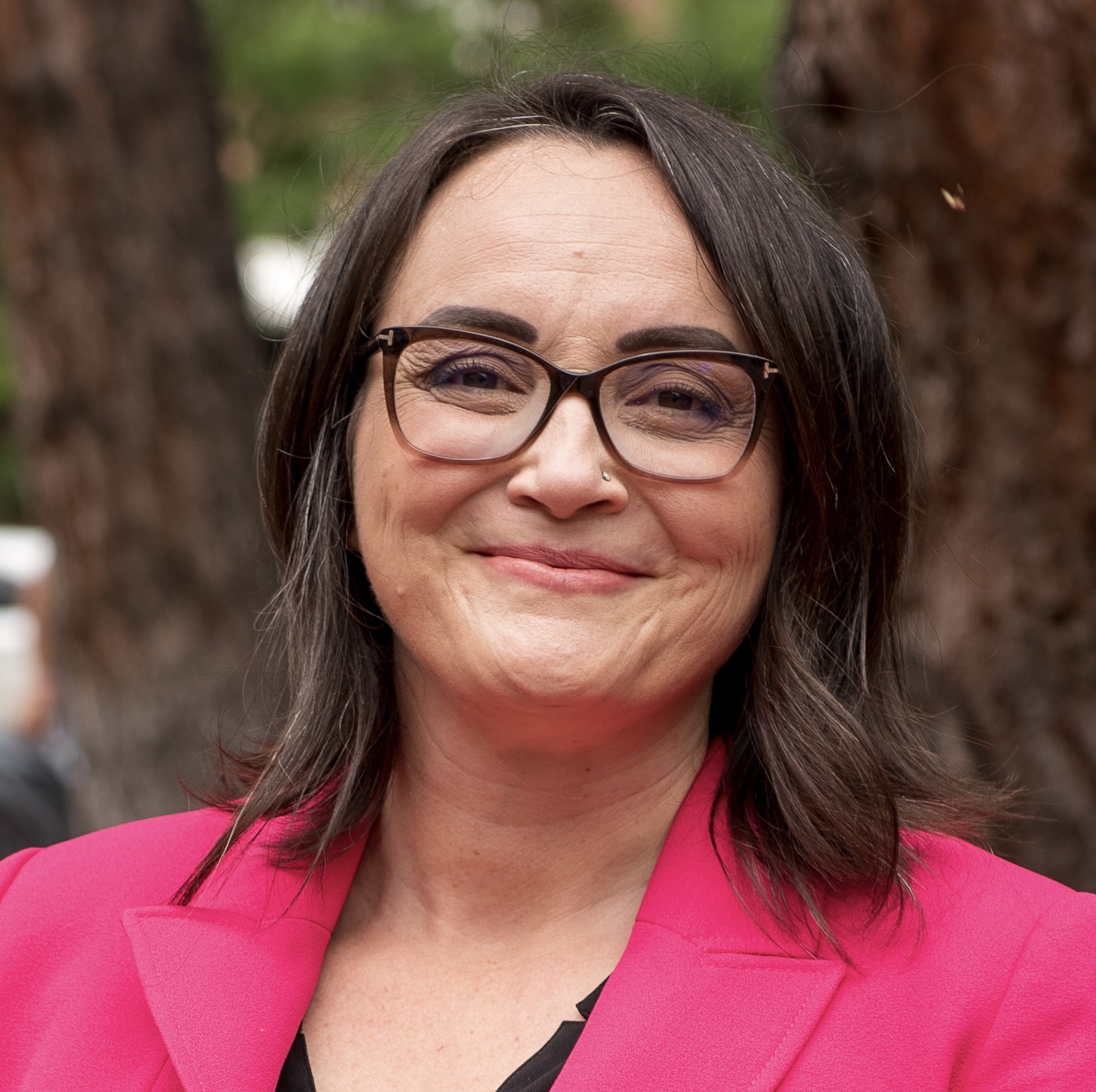 Nicole Speer – Incumbent, ENDORSED
Housing
We legalized ADUs citywide, allowed duplexes/triplexes, and updated fees to favor smaller, more affordable homes. We streamlined approvals; partnered with BVSD and Habitat to open a modular-housing factory; and scaled eviction prevention for ~1,000 residents annually while piloting guaranteed income for 200. Next, I’ll track impacts of zoning changes, strengthen tenant protections (notice and relocation), lower household costs like childcare/transportation, and advocate for statewide single-payer. Housing connects to everything.
Homelessness
Our strategy emphasizes evidence over punishment. Peer-support shows >90% housed at six months; prevention is cheaper and more humane. I want a full cost picture for ending family homelessness and to plan for it. Our rental-assistance program prevents >95% of evictions. Regionally, through DRCOG, I helped launch the Regional Housing Strategy targeting people under 50% AMI. Housing insecurity is regional; solutions must be too.
Open Space
Roughly 90% of our wildfire-mitigation work occurs on open space. These lands serve recreation, conservation, and a fire buffer. We partner with local farmers for grazing to reduce fuels. As climate risks rise, we must monitor ecosystems and integrate agriculture and food systems into open-space planning so it supports resilience across climate, food, and community well-being.
Wildfire Mitigation
The community pushed for stronger mitigation, and we’re delivering—especially along the western edge where risk is highest. Continued investment and regional coordination are critical. It’s unglamorous work that saves lives and property, and we need to scale it as conditions grow more volatile.
Transportation
We’ve expanded the downtown station, opened Boulder Junction with RTD, and designed safer roads via the Core Arterial Network. We must strengthen regional links. DRCOG’s countywide transit plan will align local and regional systems. I support $1 micro-transit-style options for short trips and a transportation-maintenance fee to fund repairs and operations. Federal dollars remain vital.
Local Businesses
We’re building Boulder’s first real economic-development strategy and exploring a Downtown Development Authority to reinvest in districts. Commercial vacancies hurt safety and walkability. Solutions require landlords, banks, and business owners at the same table—loan terms often limit “vacancy taxes.” We’ve embedded the SBDC to help entrepreneurs navigate costs. Affordability is the deeper issue; if only large corporations survive, we lose what makes Boulder special.
Safety
We can’t police away every tragedy; prevention and mental-health investment reduce risk. Our Reimagined Policing Plan shifts toward prevention, alongside gun-violence ordinances, partnerships, and Fire-Rescue education. Real safety comes when basic needs—mental health, housing, connection—are met.
Police
Culture is improving: accountability, transparency, and relationship-building with Latino residents. I helped strengthen the Oversight Panel and bring in independent safety consultants. We’ve expanded co-responders so behavioral-health specialists can de-escalate and prevent harm. Police shouldn’t handle every crisis alone.
Immigration and ICE
I opposed the 2022 FBI MOU over civil-liberty risks; it’s ended. As long as I’m on council, Boulder won’t partner with ICE. We protect residents from data-sharing and overreach. Our chief is rebuilding trust with immigrants; Boulder officers are not ICE. No one should fear calling for help.
International Policy / Divestment
We need clear, consistent criteria for if and how we engage in international issues so processes are transparent and fair. Boulder residents have global ties; we owe them principled, predictable decisions, not ad-hoc reactions.
Overall Campaign Goals
My focus is affordability, stability, and inclusion. I’m finishing our shift to outcome-based budgeting and pushing for a more stable revenue mix beyond volatile sales tax. After losing my job to federal cuts, I know how precarious middle-class work is. We must attract stable industries, retrain workers, and help families stay in Boulder.
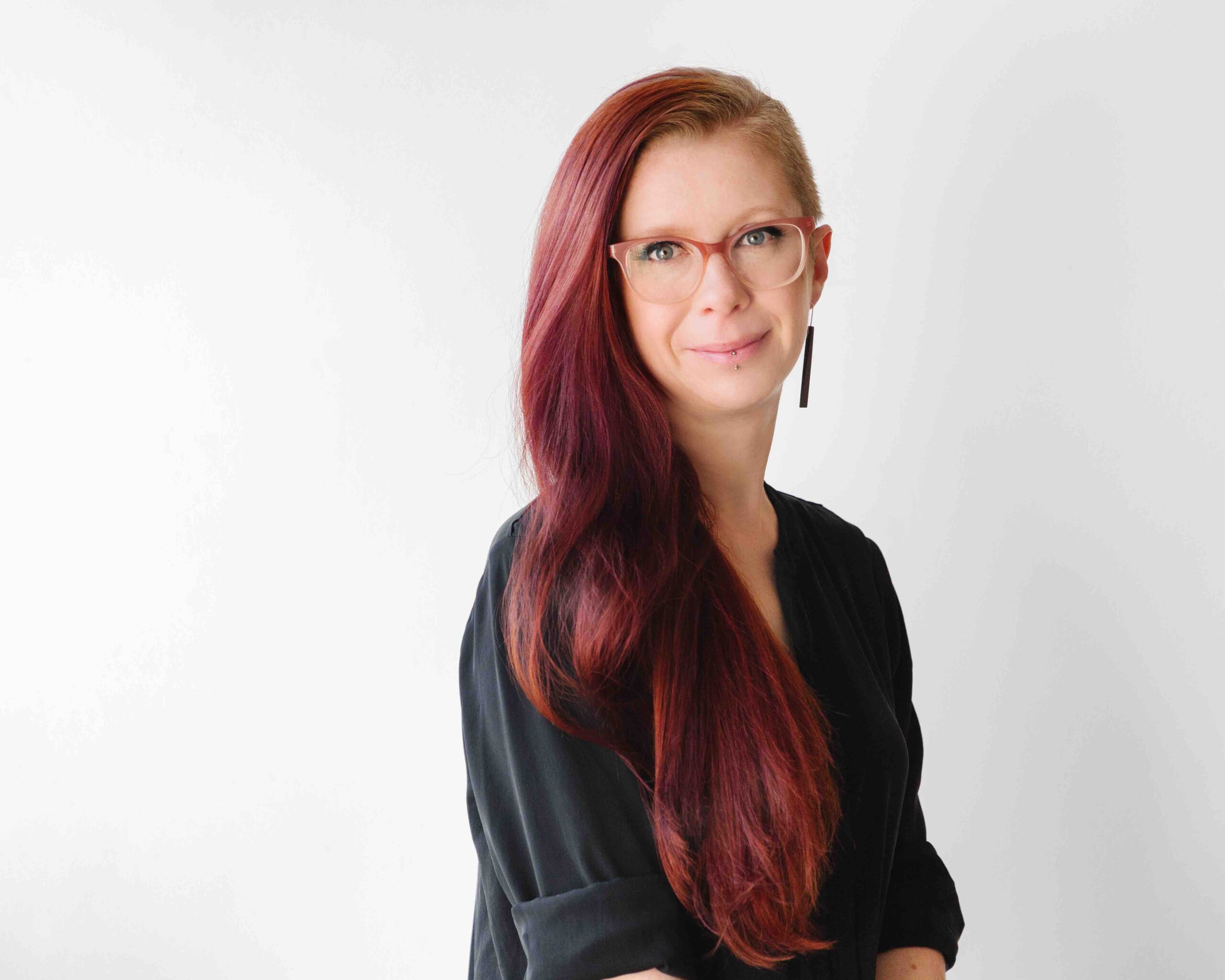 Lauren Folkerts – Incumbent, ENDORSED
Housing
As an architect, I’ve pushed zoning reforms that stop incentivizing only large, expensive units and align supply with need. I want 100% affordable projects to move quickly and more “missing middle” options—duplexes, triplexes, ADUs—by cutting red tape so local owners can participate. Prices have softened slightly, showing supply helps. For renters, I support stabilization (e.g., Tacoma-style relocation fees) and overturning the state’s rent-control ban.
Homelessness
I serve on the county Homelessness Task Force and support the new affordable-housing tax and state reforms. Our updated strategy tracks entries, exits, and the money needed to scale proven programs until exits match demand. Budgets are tight, but these investments reduce human suffering and neighborhood strain.
Open Space
Open space is a core asset spanning recreation and agriculture. We lease land to local farmers despite rising ag-land costs. It’s not perfect—prairie dogs, water, and wages all matter—but overall we balance conservation, recreation, and working lands. I support extending existing funding to keep this resource strong.
Wildfire Mitigation
Voters approved a wildfire tax; now we’re expanding mitigation along the western edge where risk is highest. I see tangible progress near South Boulder and on open space. I’ll keep pushing a data-driven approach that ramps up pace and scale to match community expectations.
Transportation
Land use and transit must be planned together. High-capacity transit works with corridor density; running big buses through low density isn’t cost-effective. We don’t control RTD, but we’re pursuing state-level fixes and building partnerships. Safety is paramount. The Core Arterial Network is designed; now we need grants and funding for protected bike lanes and multimodal options.
Local Businesses
Council made economic development a priority. I support a Downtown Development Authority, tax-increment tools, and restructured entities for predictable reinvestment. Let’s expand technical help so small businesses can navigate hiring and rules, convert vacant offices to housing/active uses, and simplify permits so startups without deep pockets can open.
Safety
Colorado underfunds mental health; unmet needs become safety risks. I support the county mental-health tax and stronger school/community supports. We updated council-chamber procedures and will keep evaluating what helps people feel safe.
Police
Prevention is better than the last line of defense. I support de-escalation, preparedness, and strong accountability—independent oversight, public use-of-force stats, and timely video releases. Trust and transparency are essential.
Immigration / ICE
Our goal is keeping residents safe. We don’t collect immigration status unless required by a specific grant, and officers don’t assist in deportation or share information for that purpose. People should feel safe reporting crime and seeking help.
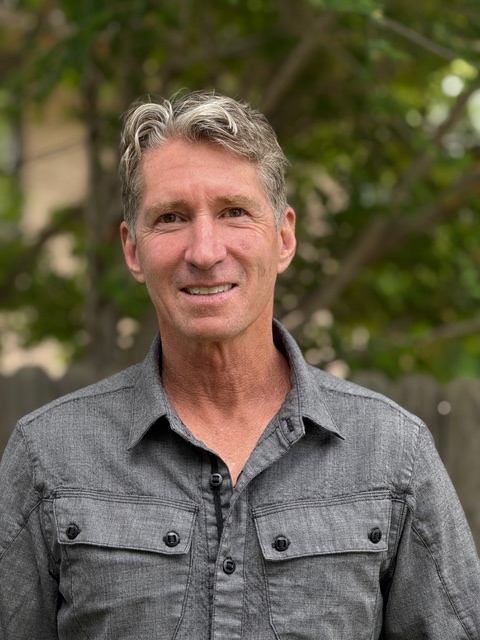 Rob Kaplan
Housing
I focus on buildable, middle-income ownership. To get deed-restricted homes families can own, waive the 25% in-lieu fee for projects delivering AMI-based, permanently affordable units—so townhomes and three-bedroom homes pencil out. I’m open to land-lease on city land to keep affordability permanent. Prioritize local developers and community-driven proposals, like the North Boulder Little League concept preserving fields, adding senior housing, and designing with neighbors.
Homelessness
The intent is good, but coordination is lacking. I support one HIPAA-compliant, centralized database so nonprofits, outreach teams, ambassadors, and city staff can share information and reduce duplication. I’ve seen separate apps tracking the same people—inefficient and fixable. Regional collaboration with clear roles and accountable outcomes beats simply spending more without the right tools.
Open Space
Budgets are tight. I won’t rubber-stamp every tax or fee. From my Parks & Rec Board experience, costs are up across the board. We need transparency and outcome-based decisions. I love open space, but the priority now is maintaining what we have and investing where it’s most critical.
Wildfire Mitigation
Eighteen years in fire service—including Marshall—taught me wildfire drives insurance, business viability, and housing. I want a practical WUI code and retroactive mitigation that’s effective but not punitive. Increase grants and focus on high-impact steps like limbing and basic hardening. On land, manage forests with shaded fuel breaks and ladder-fuel removal; agriculture can buffer. This also signals insurers we’re serious.
Transportation
Housing and transportation are linked. We paid for rail that never arrived; I’d build it tomorrow if I could. Meanwhile, invest strategically: protected bike lanes and multimodal upgrades must match growth and evacuation needs. For Iris, weigh road-diet plans against potential high-density proposals and consider routing a two-way protected bikeway on Balsam/Alpine/Edgewood. Near-term: maintain 300 miles of streets, snow plowing, and accessible sidewalks.
Local Businesses
As a founder, I’ve felt the drag: months to approve a sign, then the code changes. We need a one-stop permit shop, faster responses, and more in-office staff presence to solve problems face-to-face and boost downtown activity. Use AI code-cleanup to cut conflicts and hurdles. Favor local ownership—PE-driven ROI pressures raise rents and cut maintenance.
Safety
Public safety is foundational. With Sundance bringing tens of thousands, we need visible patrols in high-incident corridors—not a “police state,” but presence that deters crime and boosts confidence for residents, workers, and visitors. Safety must be felt to be real.
Police
Support must show up in pay and benefits. After arbitration, police got 4.75% instead of 6%; we’re losing officers to nearby cities with better compensation and mental-health coverage. That’s a false economy—turnover costs more. I’ll prioritize competitive pay and strong wellness support to retain talent.
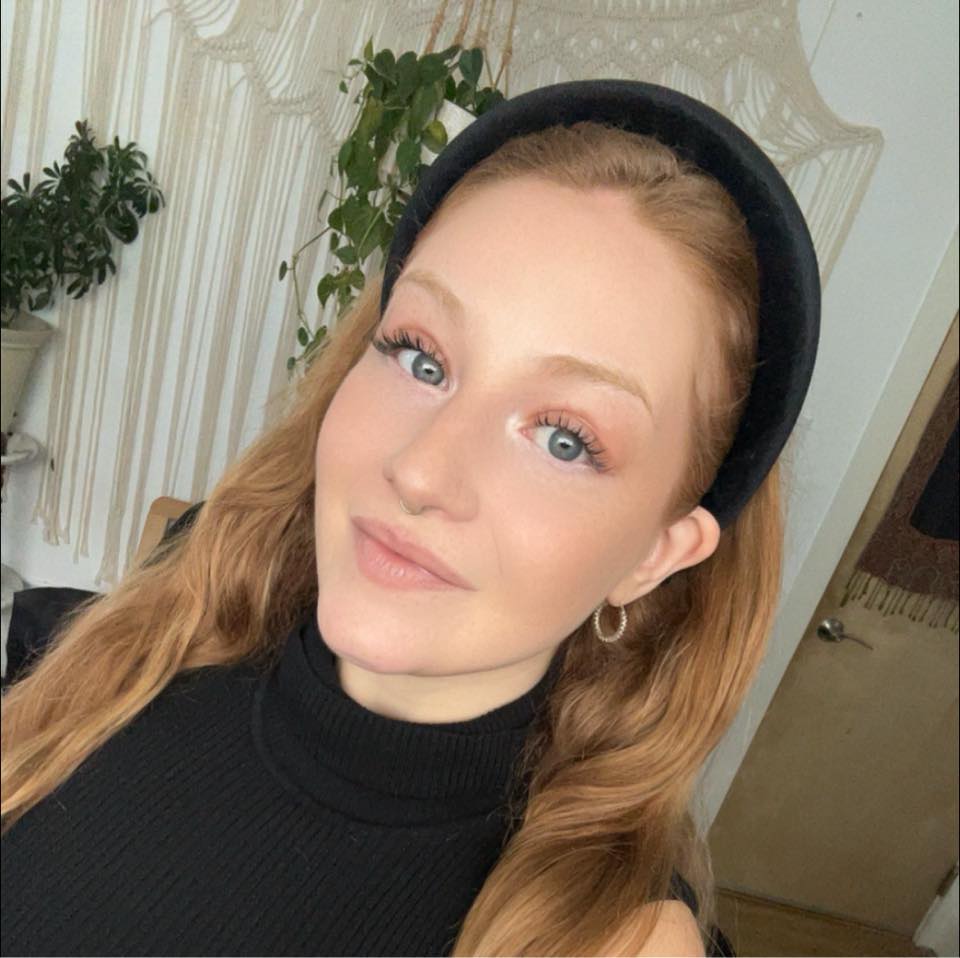 Rachel Rose Isaacson
Housing
We need better renter protections and data. Landlords should report rent increases so the city can publish an annual Fair Rental Guideline and offer a voluntary pledge tied to grants, tax credits, and services. Rent control is illegal, but we can encourage stability. “Affordable” isn’t always attainable—I’ve seen units at $1,600 sit vacant while rooms at $1,000 exist. Use city-controlled land (including parts of Area III) for permanently affordable and true middle-income homes.
Homelessness
I support the Clutch strategy: compassionate and pragmatic. Centralize resources, improve data sharing, and partner with state, regional, and nonprofit providers. Prevention matters: require more advance notice for large rent hikes and stronger notice for no-fault evictions, including a winter pause. Protect tipped-wage workers’ earnings—cuts push families toward homelessness. Regional gaps are real: we lost the county’s only youth shelter, and 1,000+ BVSD students experienced homelessness; childhood homelessness predicts adult homelessness.
Open Space
Given the deficit, I’m open to increasing funding for open-space management and upfront wildfire mitigation. Stewardship now prevents higher costs later, but we must balance against other urgent needs.
Wildfire Mitigation
Mitigation should be part of our culture. If we consider mandates in higher-risk areas, pair them with financial help so lower-income homeowners aren’t left behind. Focus on “low-hanging fruit”: limbing, removing flammable landscaping, and smarter fences/mulch. I’d support community fundraising to help neighbors harden homes for everyone’s safety.
Transportation
Many workers commute from nearby cities, and congestion spikes when students return. We should build a more accessible regional transit system while pacing investments during a deficit. Better access remains a clear goal.
Local Businesses
Keep dollars local: support local nonprofits and spending. Small businesses face rent, property-tax, and cost pressures. We can simplify and digitize permits, set clear timelines, and expand technical help. Offer grants for critical equipment and explore startup incentives given vacant space. Housing policy also helps—shorter commutes improve hiring.
Safety
Everyone deserves to feel safe. Crime is trending down in many areas, but not all. A stronger law-enforcement presence on Pearl can boost real and perceived safety. The oversight committee was a good step; I’m open to giving it more power so accountability is clear.
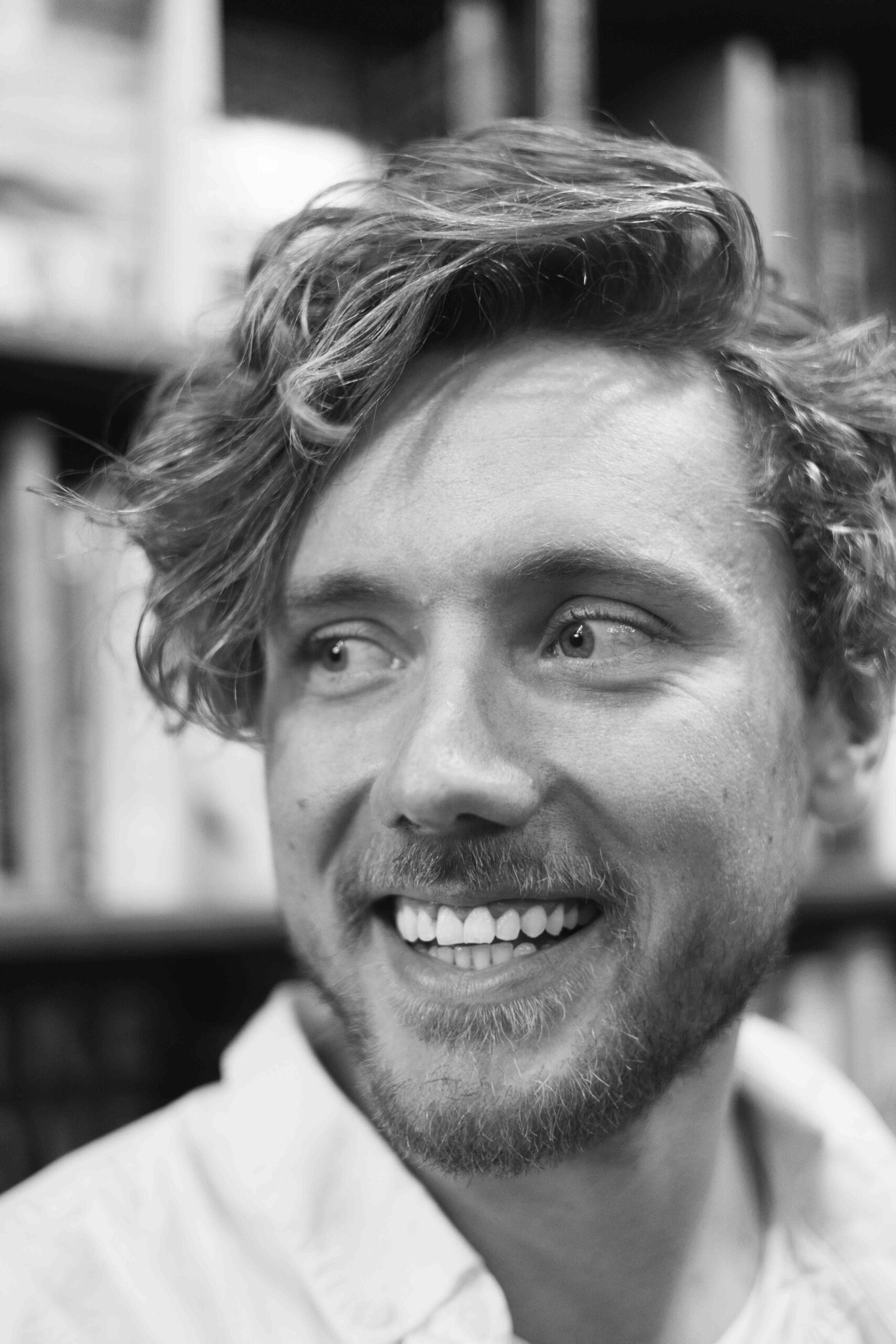 Maxwell Lord – ENDORSED
Housing
Affordability spans street homelessness, rent-burdened households, and priced-out buyers—each needs tailored tools. Strengthen renter protections; enforce inclusionary requirements without loopholes. Enable small owners to convert vacant offices to housing and support pop-ups that enliven downtown. Shift from luxury pipelines to attainable ownership; consider city-backed loans for first-time buyers. Don’t loosen STR rules for events like Sundance—owner-occupied is fine, but not corporate profiteering. Use vacancy penalties for idle units/storefronts and bolster tenant unions.
Homelessness
Make boarding houses and hostels easier to build to catch people before they fall further; they’re distinct from shelters. Boulder lacks sober-living and robust rehab capacity—72-hour holds aren’t enough. Partner with nonprofits like Bridge House on transition and work, while building treatment resources they can’t provide. The mental-health tax’s three-year window is too short for permanent infrastructure; our strategy overemphasizes diversion. We need deeper, long-term solutions and stronger regional coordination.
Open Space
Preserve open space and extend the tax. Protect the workforce that stewards it: OSMP’s seasonalization hurts retention and skills. I support better job stability, benefits, and organizing rights. As use grows, improve trails and basics so the public can recreate responsibly.
Wildfire Mitigation
Resilience takes builders, firefighters, and land managers. Make home hardening easy—noncombustible zones, ember-resistant vents, and safer fences/landscaping—without bureaucratic barriers. Improve outreach about real risks (like junipers against walls). On the land side, support crews that reduce fuels, maintain native grasses, and remove invasives.
Transportation
Reliability hasn’t returned to pre-COVID levels. When routes fail—especially evenings and east-west—drivers fill the roads. We need dependable service and regional partnerships to win RTIP grants. In a tight budget, favor near-term wins: smarter bus scheduling and clear bike wayfinding so new riders navigate safely. Support Core Arterial elements that protect cyclists, paired with frequent, reliable transit.
Local Businesses
Red tape and delays keep storefronts empty. Streamline permits, enable sensible conversions (office to art/retail), and let locals take smart risks. Promote shopping local and ensure locals can access spaces currently locked up by corporate players.
Safety
Diplomacy matters. After the Pearl Street attack, I support a community where peaceful demonstrators feel safe and we avoid painting whole movements by one person’s actions. Leaders should model dignity and respect.
Police
Support the department while broadening safety responses. Deploy social workers and mental-health professionals to crises where officers aren’t the best first tool. Avoid militarization, align training with Boulder’s values, and build trust with migrants. I oppose local cooperation with ICE.
 Aaron Stone
Housing
Affordable housing hasn’t kept pace despite higher density. I want to exceed the 15% goal by 2035 and rebuild confidence about going downtown—if people don’t feel welcome or safe there, housing and economic strategies won’t work as intended.
Homelessness
Shelters and outreach have been underfunded. I support reliable funding for beds and day services and proactive outreach so people know where to find help. Treat unhoused neighbors with dignity and help them stabilize.
Open Space
Open-space access defines Boulder. Keep trails and lands open, and expand bike connections through open space where appropriate to improve access and safety.
Wildfire Mitigation
Require new construction in fire-prone areas to meet strong standards first, and build neighborhood buffer zones—defensible space, smart landscaping, and safer design—to reduce risk community-wide.
Transportation
Run routes that make economic sense, keep them frequent and dependable, and continue free transit for riders under 18 while expanding access for low-income residents. When buses are affordable and predictable, ridership grows.
Local Businesses
A few owners control commercial rents; independents are getting squeezed. The city should engage those landlords to reach workable rates and consider public co-ops or shared spaces so small businesses can thrive without selling out to corporations.
Safety
Free speech is a right. We won’t all agree, but no one should be threatened or attacked for beliefs. Schools have implemented strong safety drills and protocols; I want that culture of preparedness and respect citywide.
Police
Direct collaboration between BPD and schools—training, education, and community support—prevents crises and builds trust. I support strengthening that partnership.
Robert Smoke: Did not reply
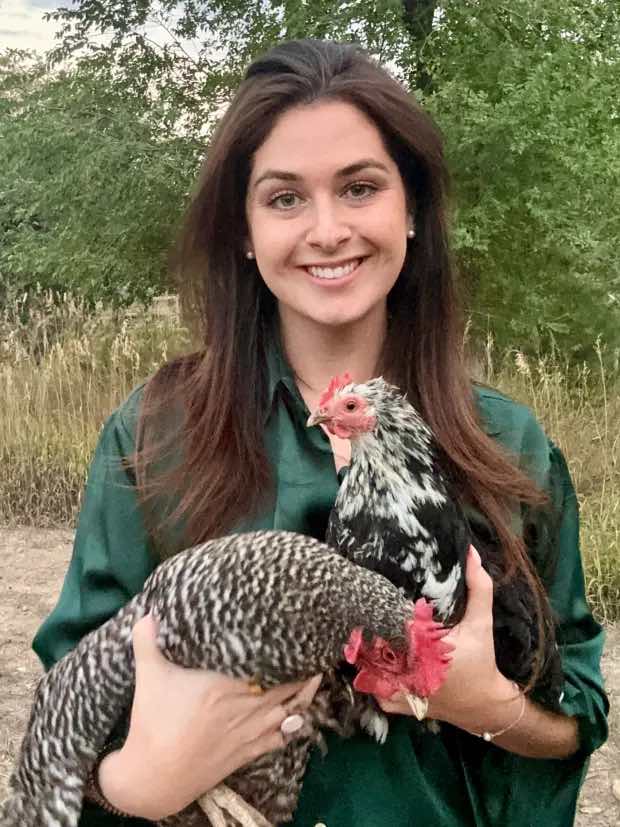 Montserrat Palacios – ENDORSED
Housing
Affordable housing is essential. We should be less lenient with developers and stop allowing fees in lieu of building required units. I support strict guidelines, cutting red tape, allowing ADUs, and rezoning for duplexes/triplexes. Boulder needs denser, vibrant neighborhoods like Holiday—not one house on 40,000 square feet. Trust ownership isn’t inherently a problem, but we need clearer, neighborhood-by-neighborhood rules to deliver ADUs and multiplexes where appropriate.
Homelessness
Our shelter should never run at capacity; there should be beds for residents in emergencies. Many unhoused are transient; I prioritize services for people with local ties. Drugs and safety are serious concerns; police need full funding and support. Enforce the camping ban while building a regional response—Boulder cannot solve this alone.
Open Space
I strongly support open space, height limits, and accessible trails. I back the county’s open-space tax extension, the mental-health sales tax, and the city’s infrastructure tax—long-term investments in community health.
Wildfire Mitigation
Get ahead of risk without imposing costly mandates on residents. Rather than banning wooden fences, focus on banning flammable trees/plants and on education and prevention. Teach homeowners how to protect buildings while keeping costs manageable.
Transportation
Anyone who wants an EcoPass should get one. Expand routes and service hours—service shouldn’t end near midnight—and consider higher wages to attract drivers. I support the Core Arterial Network and protected bike lanes for children and families. Be transparent with corridor neighbors, including along Iris.
Local Businesses
Local, small businesses make Boulder special. Work with owners and landlords—even when it’s difficult—to reduce long vacancies and encourage realistic lease rates. Incentivize filling storefronts rather than holding out. Offer discounted EcoPasses for employees to support workers and employers.
Safety
Public safety is a shared priority. Fully fund and equip police and work with CU Boulder on crime in the Hill and citywide. Pair enforcement with compassion and community-wide education to identify improvements in policy and practice.
ICE
As someone born in Mexico, I oppose ICE’s nationwide tactics. Boulder should remain a sanctuary city—no raids, no family separations, no fear. Work with state and local partners to maintain safety and trust without dividing the community. I also support quarterly open sessions for broader public concerns so people feel heard.
Firestone Election 2025
Trustee
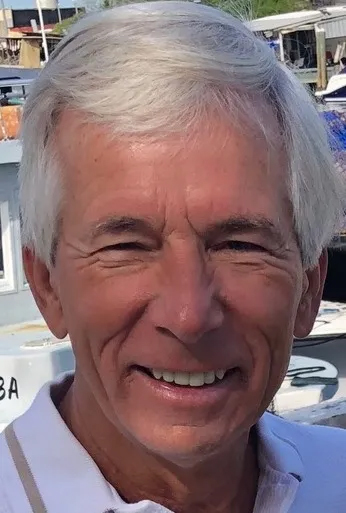 John Damsma
Affordable Housing
I support an increase in affordable housing within Firestone in order to support those who do not have accessible housing options. Alongside this, I would also like to see an increase in the diversity of housing within the city in order to provide more accommodations.
Homelessness
I believe that a partnership between the city and local organizations is the best way forward. The town works with local agencies and creates their own policies to help those who are having a tough time economically.
Open Space
I support preserving open spaces while finding a balance between development and conservation. In Firestone, as discussions continue around Central Park, there’s a clear divide between pursuing economic development and creating a community-focused park. I believe the town needs open, shared spaces, and I fully support developing the park as a community hub. I’m committed to realizing residents’ vision for Central Park as a vibrant, people-centered space—not a commercial destination.
International
I believe that before we can focus on international issues, we must first focus on taking care of business in our own neighborhood. If our town abides by the Constitution and functions for the benefit of our community, then other issues will fall into line. I think from where we are, we can facilitate resources to spread awareness of international issues, but ultimately as a small town we must remain nonpartisan.
ICE
I support the work of Immigrations and Customs Enforcement within the law. I believe immigration should be done through legal channels, and anyone who has not done that has already broken the law.
Transportation
While one day we are hoping to establish a bus service through the town, there are still options to use more accessible transportation in Firestone. Though the city’s agreement with AVIA, there are options for public transportation that are at little to no cost for the user. This is a policy I support and am hoping to continue.
Business Support
Many new businesses have been coming to Firestone as a result of increased housing, which is leading to a lot of new, overall growth for the city. Due to new developments such as office buildings, there are many available spaces open for small businesses to function out of. There are also many new corporations coming to town, such as Target, Porsche and Chick-fil-A, which also provide new opportunities for residents.
Samantha Meiring: DID NOT RESPOND
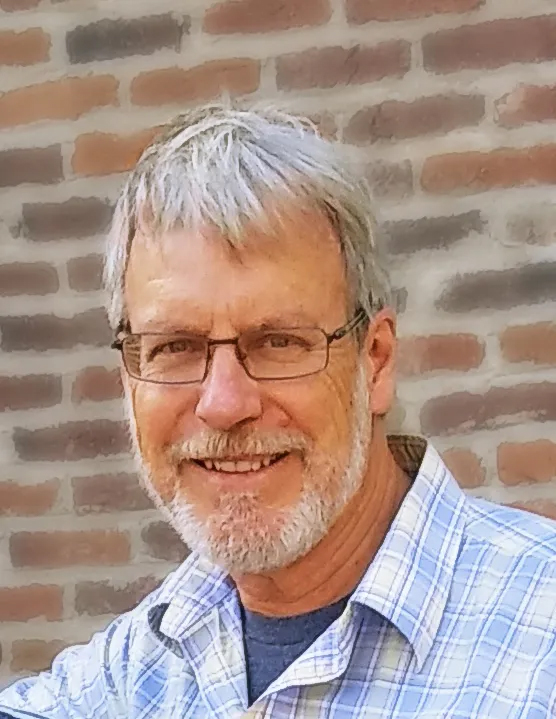 Michael Malek – ENDORSED
Housing
I am for a portion of housing being delegated towards affordable housing for people with middle to lower incomes. The town of Firestone has done moderately good job of doing this, and I know that they have upcoming plans to further increase homes that are in affordable price range.
Homelessness
The homeless problem is very bad, and very likely to get worse. Combining our resources, may be a partial solution. I really believe in unification, resources, because not all towns have financial resources or land availability in order to solve these issues.
Open Space
Firestone has done a fairly good job of creating open space areas where citizens can enjoy time in nature. ?I would like to see the town of Firestone open up some of the water reservoirs or lakes that were intended for water storage for drinking could be also opened up for some level of public use.
International
I don’t know that it is going to be dealt with locally. But efforts from a local resources need to be combined with the efforts of a county or a state. For example, with Gaza, I’m horrified by what I see going on over there.
Safety
In one of the neighboring cities, we had a situation where one of the oil field systems failed, and there was an explosion, and poisonous gases were being emitted into the atmosphere. That, to me, is probably the greatest danger that I can see with the town of Firestone. ?In addition, Firestone itself is undermined by a lot of old coal mines, underground coal mines, and the tunnels, and other things that are under there, need to be very carefully monitored with the oil drilling.
ICE
I personally do not support ICE. I see that the situation as having many, many abuses and the immigration processes. Grabbing people off the street that,for just suspecting them as being immigrant, to me, that is un-American. ?According to our Constitution, your innocent, until proven guilty, and ICE is grabbing people without any regard for that.
Transportation
We are not paying the RTD tax yet, so transportation is not fully integrated. It is easier to introduce to the newer parts of Firestone, especially those, do I 25 and Highway 119. I am not sure it would be feasible in the old, historic Firestone.
Small Business
The newer parts of Firestone are doing well with development. My plan would be to revitalize the center part of historic Firestone. ?This part of town has not received the level of attention that I think it deserves for creating new small businesses in this area. I would like to see it revitalized to reflect the core part of town.
Keith Foster: Did not reply
Drew Martinez: Did not reply
Kevin Plain: Did not reply
Lafayette Election 2025
City Council (AL)
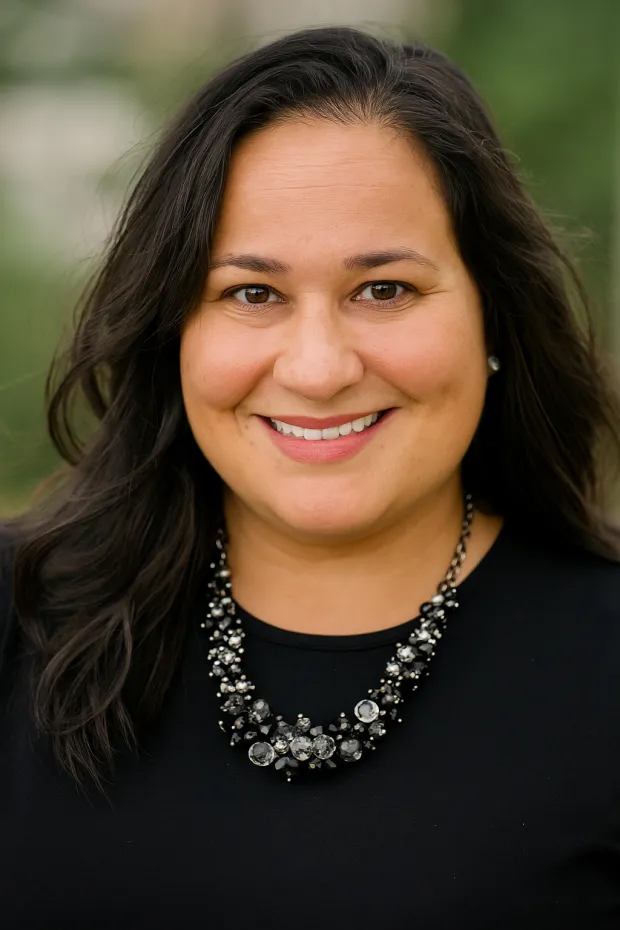 Crystal Gallegos – Incumbent, ENDORSED
Affordable Housing
I think we are the leaders in affordable housing in our area, and it is important to work as partners with other communities in order to mirror what we have done here. When it comes to development, making sure we are developing smartly — having suitable infrastructure, good water quality and an attainable volume — are all things we need to consider when looking at a new project.
Homelessness
While our city funding is limited, I want to do more as a city to offer support to our unhoused citizens. Our county partners, such as Sister Carmen, have been doing a great job in that area. We try our best to support those organizations and our residents who are in need. I would want to work on utilizing grant funding and applying it to the organizations that can better make a difference with those funds.
Open Space
We need to take a responsible approach to growth that does not come at the expense of our open spaces. I want to do what I can to preserve this beautiful space, while also allowing ourselves room for growth within our community.
Fire Mitigation
Our sustainability department has a great program that teaches community members about how to select gardens that are less fire prone. This kind of education is something I would love to see continue. I want to be sure we are working in conjunction with our fire department in order to spread more education regarding fire safety.
Safety
Chief Bashor has done a great job running the police department for the decade I have lived here. While it is unsure who will be replacing him once he retires, I hope they will continue to honor Bashor’s legacy of being compassionate.
International
Focusing on local issues first is important. If we have community members passionate about international topics, I would love to sit down and talk with them and see how the city could better support them.
ICE
I would love to start discussions with our Human Rights Commission to hear what they advise as the proper protocol and how to move forward in the future. I want everyone to continue to feel safe, and our immigrant community has made so many wonderful contributions to our town. They are built into our culture.
Transportation
I am working on improving transportation within our highway corridors and enhancing our roads to allow more types of alternative transportation. We have just launched our Vision Zero Action plan, which aims to prevent crashes on the road as well. So I think we are moving in the right direction when it comes to improving transportation, although there is still work to be done.
Business Support
I advocate for a partnership between our city and chamber of commerce with the Downtown Development Authority to ensure that we are retaining and supporting our local businesses while also bringing new businesses into our vacant commercial spaces.
Luke Arrington: Did not reply
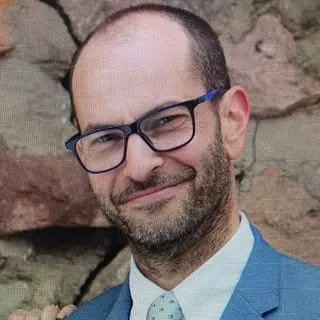 Josh Beryl – ENDORSED
Housing
The city should have oversight on development. It is a balancing act to have enough affordable housing without overdevelopment. I believe strongly in making sure that we have the opportunity for people to work in Lafayette and also live here and be able to afford to live here and afford food for their families.
Homelessness
As a community, we need to get creative with solutions. Creating our own shelter or food banks or other types of social programs through the community center and library that can help folks who are unhoused either find housing or find jobs again. Additionally, it is crucial to raise wages to a livable level.
Open Space
We need to respect and protect our open space, both from an environmental and a quality-of-life standpoint. I am not willing to sacrifice our open space in the interest of large corporation development. That being said, we do need to make some room for affordable housing.
Safety
I want to see our law enforcement and police officers acting in kind and humane ways. I think militarization of our police forces is a problem. Prioritizing the availability of Narcan, treatment programs, support for the unhoused, stronger gun laws, and, as much as I hate to say it, teaching safety measures to students and teachers can all keep our community safe. Protesters are part of our community, so police must respond to them peacefully and respectfully.
ICE
ICE should absolutely not be working with our local police department. I see ice kidnapping people from the street, and that is not okay. One of my core issues is protecting the most vulnerable people in our community, including people of color, immigrants, LGBTQ, and plus folks. And so I want to keep ice out of Lafayette in any way that I can
Transportation
Traffic going through communities is a major concern for citizens. Working to divert or slow down traffic driving through communities is one solution. I am a big believer in automobile safety, and I think there needs to be the same training for bikes and e-bikes.
Small Business
Supporting small businesses is multifaceted. One part is taxing corporations and big companies, so if they operate here, they pay to do so. It can also be subsidizing local businesses,with public loans or bonds to help bring new small businesses into town.
 Eric Ryant
Affordable Housing
I am for affordable housing. When all is said and done, I think we are leading our community in this work, and it is important that we communicate with our neighbors to spread what we have learned in our own efforts. When pursuing more affordable housing in the future, I would want to analyze our community more and be certain it can handle the infrastructure.
Homelessness
Some communities have designated areas for a shelter or community, so that would probably be my approach. This is an issue many communities are dealing with, and if it is a burden to the community we must address it.
Open Space
There has to be a careful balance when it comes to development and open spaces, as we all want our nature to be preserved. I really want to keep these places protected. When considering developments, I think we must take this into account before we make a decision.
Fire Mitigation
We have to make sure that the fire department has the proper tools, equipment and staff to run effectively. A number one priority of mine would specifically be to ensure they are staffed adequately. They are in life and death situations sometimes, and they need our support to ensure their safety. You cannot put a dollar amount on someone’s life, and I endorse the fire department strongly.
Safety
I am pro-police. I think the city and Bashor does a good job with the way the department is being handled. Their deescalation policy is something that I would like to see continue. The U.S. can be a violent place, and we need protection, and our department is doing a good job at handling that.
International
I do not feel international issues are relevant to our community in terms of policy. But on the humanitarian side of things, the situation in Gaza must stop.
ICE
I am against the way ICE is handling things as it stands, and I think they are overstepping their boundaries. On the federal level, there is not much we can do.
Transportation
As a baseline, I think we need to watch our congestion. I think the easiest growth opportunity is the south baseline, where the RTD runs, and they may be able to manage more growth. Ultimately, I think it needs to be studied in order to make a well-informed decision about how to improve.
Business Support
Working together to make sure our independent businesses are supported is critical. I would like to sit down with our local entrepreneurs to see which issues are hitting them the hardest in order to tackle those issues first.
 Kyle Beaulieu
Affordable Housing
This is a structural challenge affecting communities across the state. One of the best ways to address it is by building coalitions with neighboring cities—leading, advocating, and finding key partners to tackle development issues together. I believe the most effective path to affordable housing is simply to build more housing. While there are always nuances, collaboration among communities allows us to determine what approaches best fit our shared goals and local needs.
Homelessness
Being a city councilor means focusing on small, meaningful actions while pursuing big solutions. Many of us are only a crisis away from homelessness, and ignoring the issue won’t make it disappear. People experience homelessness for many reasons, so our policies must address job loss, mental health, and substance abuse. Partnering with local nonprofits already doing this work allows us to provide coordinated, compassionate support and begin making real progress for those in need.
Open Space
A big part of what I love about our town is how beautiful our environment is. These spaces should be protected, and I think there are other ways to develop things such as housing without harming them. This is where I propose a higher housing density, which would allow us to protect our open spaces while allowing Lafayette room to expand. Our open space is the crown jewel of what makes Lafayette beautiful, and we should protect it for future generations to enjoy.
Fire Mitigation
I think one of the biggest things we can do is listen to the experts and build city ordinances from there. Learning towards materials that are not incendiary, plants that are less incendiary, is a good place to start from when safeguarding from future disasters. I think this would also be best achieved working in tandem with neighboring municipalities, so we can all work together to protect each other.
Safety
I strongly believe in deescalation when it comes to law enforcement’s interactions with the public. After working with the FBI, I saw firsthand the value of extensive training, and I’m proud that Lafayette’s Police Department demonstrates that same commitment. However, I’m uncomfortable with military-grade weapons on our streets. Such equipment belongs in national defense, not our neighborhoods. Police should be viewed as neighbors and protectors, not as an intimidating or oppressive force.
International
The genocide that Israel is committing in Gaza is a catastrophe, and it is a shame our tax dollars are going to fund it. While foreign policy is decided in Washington D.C., and not Denver, what we can do here is signal to our Jewish and Palestinian neighbors that they are members of our community, and we will do what we can here to protect them.
ICE
I view ICE as one of the worst excesses in modern American history. If elected to city council, I would uphold the law but oppose assisting a predatory, militarized agency. Municipal government should model cooperation and compassion, working to make our community stronger through unity and respect for diversity. Residents deserve to know their local leaders are here to help and on their side, providing an example of collaboration and effective, humane leadership.
Transportation
I think the biggest transit issue that we can tackle from a city councilor’s position pertains to the skyrocketing rates of individual car ownership and use. So how can we get cars off the road normally? Investing in better busing infrastructure, train infrastructure, would help so our children do not have to deal with the structural and environmental effects of expanding our roadways. I think incentivizing electric car usage and building up our infrastructure to support this is also something that is critical when it comes to improving transportation.
Business Support
As the cost of living and the cost of owning a business skyrockets, anything we can do to afford more opportunities to local businesses is really important. There are many complaints of the amount of red tape entrepreneurs have to go through just to begin their businesses, so what can we do to make those things easier for them? I would be interested in exploring a digital one-stop-shop of resources in order to gather the steps together and simplify the process for owners.
 Adam Gianola
Affordable Housing
Many members of the community are concerned about development, and rightfully so. Lafayette is one of the communities in the area that has the most affordable housing. When it comes to zoning issues surrounding affordable housing, I think it is best left to Lafayette to decide what is best for us rather than leaving it to the state. This would allow us to focus on more in-fill and accessory dwellings rather than building more empty houses that no one can afford.
Homelessness
I think working with regional partners and encouraging mental health access and job development to those in need to get back on their feet is a way we can tackle this issue on a city level. Working with our regional partners is the best opportunity to do this work.
Open Space
There is no chance that the city’s open spaces should be used for development, that is a non-starter. I think taking the community’s vision into what land should be developed for what purpose is the most important thing that city council can do.
Fire Mitigation
Education and providing resources to our community is one of the easiest ways to help mitigate the risk of fires. Helping let people know about fire prone materials or removing their juniper bushes is a good way to begin. We also need to help maintain our fire departments, but the impetus for the city is education more than anything else.
Safety
Keeping our police departments funded is important. The city has done a good job of that. They are sufficiently supplied with what they need to protect our communities, and I would be hesitant to support more access to assault type weapons within the department. Staying in touch with community partners would take us a long way in dealing with more delicate issues.
International
I am in support of human rights, and I am not in favor of those who are abusing them. So, if there are policies that Lafayette could enact to support those rights, I am in favor of that.
ICE
No, thank you. Immigrations and Customs Enforcement is their own department and they have their own substantial funding. They do not need our department’s assistance or resources. I would rather use our resources on supporting our immigrant community members and making sure they have the resources they need to thrive.
Transportation
I believe Lafayette should focus its efforts on improving the quality and safety of our roads. We’ve had a lot of head-on collisions, and improving the quality of our roads would help lessen these issues. I’d love to see more Lafayette-exclusive local transit as well.
Business Support
One of the great things about Lafayette is how the small business community supports one another. So I think the city should do more to support these efforts when possible. Whether that is through grants or tax incentives, or simply making starting a business quicker, this would really help our community.
 Rob Glenn
Affordable Housing
Lafayette is already the leader in affordable housing in Colorado, and my priority if elected is to make sure we would stay in that position. An important thing that I want to focus on is the county and state qualifications for affordable housing. Many Lafayette residents moved here due to the rising cost of housing in Boulder. So I believe there needs to be more consideration from the state and the county to adjust affordable housing percentages based on where it is needed the most.
Homelessness
I think the city has resources in order to support unhoused populations, and is willing to give support. If there was a good site available, I would be open to building a shelter in a more eastern community to support the need.
Open Space
The beauty of Lafayette is what attracted me to move here, and that is something I want to protect. The most important thing is smart development. While growth is inevitable, we have to be conscious about how it is done. I would love to see our open space portfolio continue to expand.
Safety
Our population has grown significantly over the years, and our police force has grown with it. We rely on the security they provide, and I believe our department does an excellent job. It’s essential that all emergency departments — police, fire, and EMTs — receive proper training to handle delicate situations. As paid public servants, they have a responsibility to offer the highest level of support and care to every member of our community.
ICE
I don’t want any person who lives in the United States to live in fear, whether they came here legally or illegally. Our local police department has to walk a fine line as they have certain limitations, but nobody deserves to live in fear.
Transportation
As our town and neighboring towns are growing, it is natural that we are going to see more traffic. I think in the short term, something that will help is creating more access to safe biking infrastructure. There is still more to do when it comes to opening up bike lanes for commutability, especially as it grows in popularity.
Business Support
A big platform point of mine is supporting small businesses. There is plenty of undeveloped space along the mainstrip of Lafayette that would present many opportunities for new business owners to add to the unique culture of our city. I think working to improve the permitting process and implementing code changes would help to aid in the development process, but we can also support local businesses on the individual level by making sure we spend our time there.
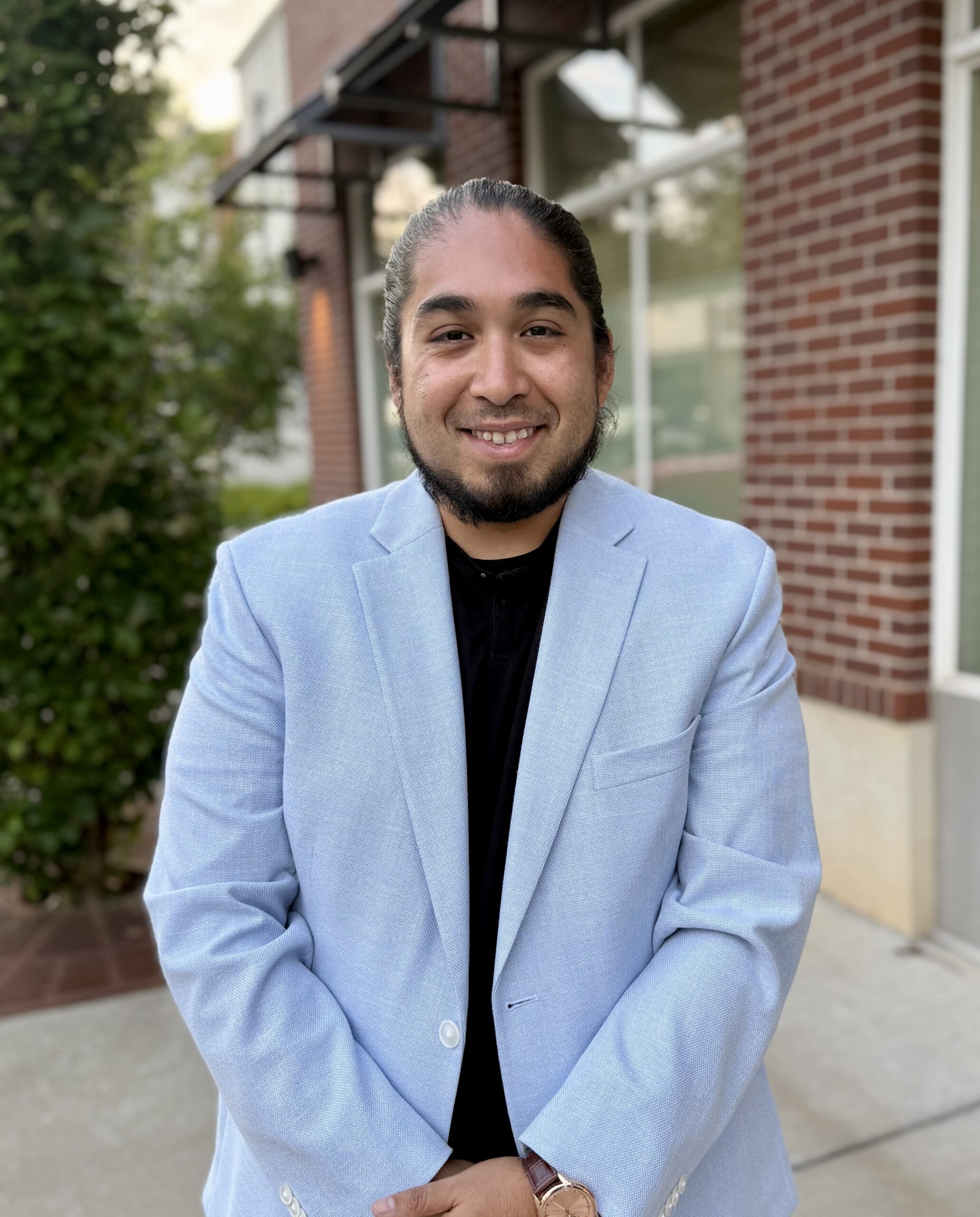 Saul Tapia Vega – Incumbent, ENDORSED
Affordable Housing
Lafayette is too expensive to live in, but we’re actively advancing projects to fix this issue. We’re not just proposing ideas—we’re ensuring progress, as seen with La Luna Cooperative. I believe we’ve become a model for others to follow. Moving forward, we must focus on responsible development—balancing what we allow with what our community needs. I want a community-driven approach to achieving sustainable, inclusive growth that truly reflects Lafayette’s values and priorities.
Homelessness
While county partners who are working to solve this issue already exist, it is on us as a city to continue to support them. It’s why I am proud of our Mental Health and Human services tax, which helps goes towards funding these organizations. As a city, we shouldn’t take a backseat, we should be proactive in supporting our partners from the ground up.
Open Space
To me, this is an all-hands-on-deck situation. When it comes to development, we need to be sure we are being transparent about what will happen. Ensuring that what we are doing fits our community is key, and that includes protecting our open spaces. The climate action plan that I passed while on council helps to tell us where we’re going in the future, and works towards fitting our city to its residents.
Fire Mitigation
I think we need to have both a proactive approach and a reactive approach. Proactive, by utilizing planning and development to take into consideration what our city will look like 30 years from now and how we can plan for that. Reactive, by ensuring we have a strong emergency response in the unfortunate case there is a natural disaster. It is about having a robust system on both ends.
Safety
I think we are in a privileged situation in Lafayette where our police department really focuses on community policing, and does a good job at it. As a person of color, I understand not having trust in these departments, especially during the times we are living in. The city of Lafayette has done a great job at putting community first. We just have to ensure that we maintain strong ties between our community and the city’s departments, and to me, that bridge is our elected officials.
ICE
There is no role for the city to work with ICE, and I’ve confirmed this through recent conversations with our police department and state officials. There is absolutely no collaboration. As the child of immigrants, I take this responsibility personally. It’s vital that our council continues educating residents about their rights and guiding them through these situations. This isn’t a distant issue—it’s happening here, and we must stand together to protect our community.
Transportation
While we have a stronger system than many other municipalities, it is still not perfect. I think what we can do now is work on getting people out of cars and offer other alternative forms of transportation. So expanding bike lanes and multimodal expansion, but also making sure we do it in a way that ensures their safety. I want to make our city more walkable and accessible for everyone.
Business Support
Our small businesses are what make up our community, and I want them to be able to expand and thrive. So I want to cut some of the red tape that our businesses experience by shortening the permitting process. This will eliminate unnecessary barriers to entry, and make Lafayette an even more welcoming environment for those looking to start entrepreneurial careers here.
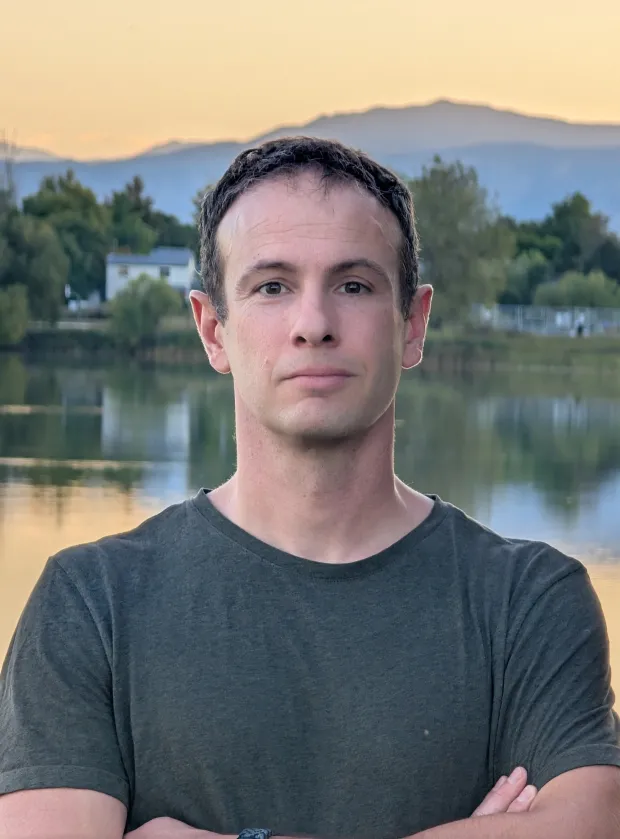 Michael Watson
Affordable Housing
The affordable housing we have now is not necessarily affordable for all who need it. One of the solutions I would like to see in terms of affordable housing is taking a more community-focused approach. Many people own single-family homes where members have either moved out, or they may simply have an extra room. Instead of relying on the passive income that comes with another empty property — such as AirBnB — converting single family homes into duplexes or renting out individual rooms is an attainable step in the right direction.
Homelessness
Overall, we should act with kindness towards those who are experiencing homelessness in our community, whether it be providing odd jobs around town to help people get back on their feet or offering a bite to eat or a place to stay. Through the city, we can offer our services and provide shelter and food. We also need to look at the root causes of homelessness, such as the economy we are living in or mental illness and addiction. If we really want to solve the problem in a way that makes sense, we have to build together a coalition of people and communities who can help provide these resources.
Open Space
There must be a balance when it comes to attaining proper development and protecting our open spaces. I am an environmentalist, and it is imperative that we protect these spaces. I am an advocate for regenerative agriculture, and this is a good way to begin protecting our natural spaces. I would love to live in a community where we welcome outsiders and take care of our environment together rather than getting stuck in a “limited resources” argument.
Fire Mitigation
Taking care of our first responders is what comes to mind, fire and foremost. Making sure they have proper equipment and training is very important when it comes to fighting these natural disasters. I think another way to help this mitigation is to offer suggestions on materials builders and homeowners could use to make their properties more resistant.
Safety
While I support the police in having military grade weapons and think it is necessary for some of the situations they handle, I do not think it should be the public face of the department. There need to be strict rules of engagement when it comes to when and where these types of weapons should be used. Optics matter, and I think a form of policing that is community focused is best.
International
We have plenty of problems to solve at home. I think small town government should focus on small town issues, and we hopefully can fix our national government who would be much more capable of addressing these larger international issues with more morality and ethics then we are seeing now.
ICE
In a perfect world, I would want to see cooperation and humane policies coming from the federal government and its agencies regarding immigration. That is not the world we are living in today, so I would like to see local law enforcement making sure that we have safe communities. In how it is operating now, I don’t think we would be able to cooperate with ICE and maintain our morals. They do not get to come here and kick our people out.
Transportation
When the population grows, the roads are going to get more congested. Ultimately, we are a driving culture, but I think bringing more accessibility to transport through walkability or the like is a good way to keep our foot-traffic in our town while getting some people off the roads. I also like the idea of a local communal transportation system outside of the bus system we already have that functions within city limits.
Business Support
Keep it going. I would love to work to offer something like an in-town currency that can only be spent on local businesses. I like the ideal because it preserves people’s ability to choose, while also encouraging them to choose a more locally-based, sustainable option.
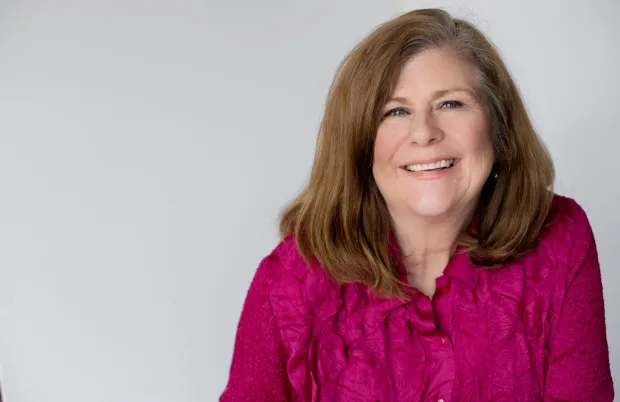 Annmarie Jensen – ENDORSED
Affordable Housing
I think two things that can immediately be done is provide more incentives for accessory dwelling units alongside utilizing inclusionary housing ordinances so we can work on redevelopment and infill rather than continuing to develop out.
Homelessness
The homeless shelter in Boulder should be supported by all the communities that feed into it, and we need to work together as a coalition of smaller communities in order to continue to support the agencies and entities that are helping homeless populations. Mental health services are also something I support, so I think that is an aspect we can address in order to help our homeless populations.
Fire Mitigation
Flexibility in zoning is something that is important when it comes to addressing these disasters. I think we can help promote the resources that the city already provides when it comes to how to protect your home through landscaping and zoning, since as of now most people do not know they are there. The best role for the city is letting people know they have options available.
Safety
I support the community policing model that Lafayette has embraced. A rigid law enforcement that just arrests people is not what we need, but when we build one that interacts with the community through providing resources, then that is the law enforcement I want to see in Lafayette.
ICE
I do not support cooperating with ICE. That is not the local government or law enforcement’s job. This is important for public safety, as undocumented people need to be unfearful of coming forward in the event they are the victims of a crime. I think it is important to focus on what the city can do in the event this happens.
Transportation
I believe we need to improve our existing structures, such as our sidewalks, crosswalks and bike lanes. This is something that would rapidly improve the quality of Lafayette’s alternative transportation options. We need to inventory the routes that people could use to utilize nonmotorized transportation, especially to large locations such as the grocery store or the recreation center — major things that are cornerstones of the community. We need a systematic way for neighbors to make requisitions of transportation related improvements.
Business Support
I think reaching out and communicating with our local businesses about how and why they are struggling is key. This way, we can help both the business be successful and be able to have workers being paid a living wage. We have to figure out how to create a diverse portfolio of businesses — small and large — to ensure that our town can remain supported.
Louisville Election 2025
Ward 1
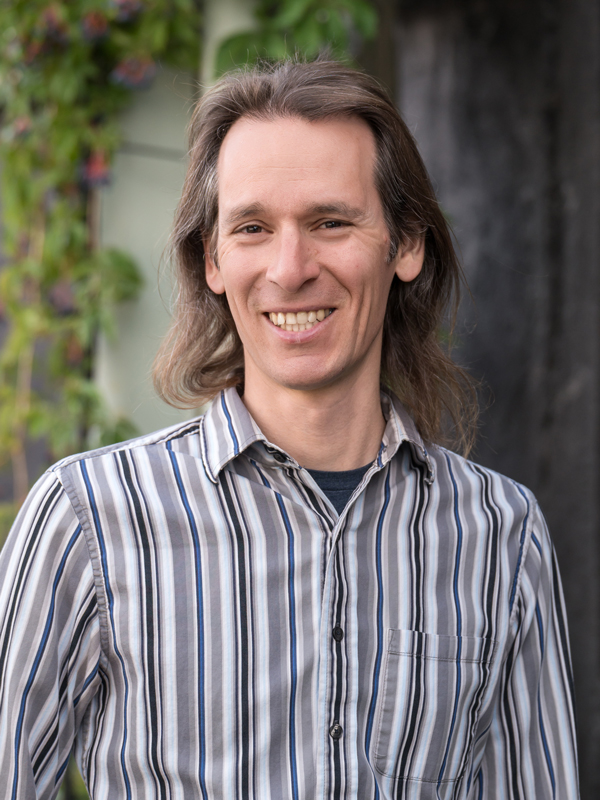 Josh Cooperman – Incumbent, ENDORSED
Affordable Housing
In Boulder County a number of years ago there was a non-binding agreement made to try to get 12% of all units across the county to be deed-restricted affordable by 2035. Right now we’re only at about 3%. There are a few things that could help us increase that number. For example we set aside $2 million this year in capital funds to be used for affordable housing initiatives. We also may need to look at rezoning some areas for residential development.
Homelessness
As far as I know the city doesn’t offer any direct services for the homeless. I was talking to a resident who volunteers at All Roads in North Boulder. They said that Louisville doesn’t contribute to the facility even though All Roads is one of the primary providers for homeless services in the county. I saw a breakdown of services provided and there are people reporting to be from Louisville who are going there. Louisville should contribute to support its residents.
Safety
I feel that, for the most part, people feel we have a very safe community. The only concern I hear about over and over are electric bicycles. People are afraid they are going to get hit or they are going to hit someone. I’ve suggested that our police department might need to step up their education and enforcement activities.
Business Support
When I talk to downtown business owners, one of the consistent concerns I hear is a need for more foot traffic to be able to support their business. To some extent, business follows rooftops so I’d like to look for some opportunities to create more housing in downtown and around the downtown area. I think that would help create some foot traffic and help with hiring and retaining employees which is also an issue that I hear some businesses are struggling with. There are also some city development processes that need to be addressed.
International
I have five or so years of experience in local government and I can’t think of any instance when Louisville has weighed in on something international. There are so many horrible things in the world, how do we choose which ones to engage with? Saying that, I initially got involved here because of climate action and of course that’s certainly a global issue so we do try to do things like reduce our greenhouse gas emissions here in Louisville. We certainly are influenced by global or larger issues but there are things that I think we can’t necessarily do locally.
 Denise Montagu
Affordable Housing
Louisville is a great little town but affordable housing, attainable housing, is a really big problem. We need to be able to accommodate the people who work in our community so that they can live here. We should look at things like providing down payment assistance. Or consider if there are other places in town that you could add ADUs (accessory dwelling units.) I’m not suggesting we put up a skyscraper downtown to accommodate housing needs, but there’s a solution someplace in between.
Homelessness
When I go around town, I don’t see a lot of signs of homelessness. I know that right now there is a project, I believe it’s a government subsidized housing project that would house people who are at risk of being homeless or who are currently homeless. I believe that it is being done by Boulder County in Lafayette, just across the border from us. Louisville doesn’t have a lot of space left to build, so I suspect that’s why Lafayette was selected.
Safety
The biggest safety concerns are the interaction between pedestrians, bicycles and vehicles. A lot of our roads are two lanes, they’re not designed to handle the volume of traffic that they’re handling. So you see some car, bike, and pedestrian interactions that concern me.
Business Support
For such a small town, there’s a lot going on, but we do have a lot of empty storefronts. I’ve been making a concerted effort to get with the folks at the Chamber of Commerce and then just going to local businesses and asking them, what’s it like to do business here? Without fail, I hear that this city has some antiquated policies and procedures that make it hard for a business to open or make any changes to their current business. I know that rewriting codes and changing processes can be daunting and it’s a big deal but just because it’s hard doesn’t mean we shouldn’t do it.
International
Personally, I don’t believe there is a role for local governments in world affairs. I think it’s a distraction from the work at hand, which is leading our community. I think that we elect leaders up in higher levels of public office and that’s their job. I don’t want leaders in those roles to come and tell me how we have to run our community and I don’t want to get into their business.
Ward 2
 Judi Kern – Incumbent, UNCONTESTED
Affordable Housing
We need to have better diversity in housing and housing prices. To achieve that, since we’re not that big of a city, we have to look for creative solutions. That could be infill solutions, utilizing spaces that have been traditionally zoned only for commercial development, or by helping developers move more efficiently through city processes with their projects. We need to address this with thought but it also needs to be effective and quick.
Homelessness
We do have people living here who have run into hard times so we partner with places in Boulder and Lafayette who are providing facilities and services. There’s already a good base of resources there so it makes sense to help support and expand that. In town we’ve got to use our police department, library, and other organizations as places to have information about how residents who need those resources know where they are and how to access them.
Safety
We hired a new police chief a couple of years ago and he has really increased the community ceiling of safety. One of the biggest areas of concern I hear about now is disaster preparedness. With the Marshall Fire we saw a number of public safety areas that needed to be improved and I believe that will be a focus for us.
Business Support
We need to make it easier for businesses to do business. That means things like approving permits faster and offering different business incentives like the PACE program or our sustainability program which can help a business convert to more efficient utility systems. I think we can also work to facilitate more activity to get people into the shopping districts. Doing that is a great way to get people into the shops and bring the community together.
International
Our responsibility on the city council is to put good policies together that keep this community a place where people want to live and raise their children. I think our primary goal is to make sure the day to day lives of our residents are elevated. We need to base all of our decisions on what our residents are looking for.
Ward 3
 Dietrich Hoefner – Incumbent, UNCONTESTED
Affordable Housing
The city is finalizing a comprehensive plan that will help increase housing in undeveloped areas and in areas that have the potential for infill development. The plan does also hold the possibility of rezoning certain locations to increase the amount of residential or mixed-use residential properties. Additionally I think there may be opportunities to develop partnerships with the state and county for land banking and affordable housing developments. At the end of the day it’s going to take what I would call an all-of-the-above strategy.
Homelessness
This is really a regional problem so we should be partnering with our neighboring communities as well as the county to connect people with the resources and assistance they may need. We need to recognize we’re part of a larger community and need to contribute to those efforts to help those who are struggling with housing.
Safety
Regionally, we’ve seen a troubling increase in property crime with things like catalytic converter theft. We want to make sure those trends don’t come to Louisville. That said, everyone has a lot of confidence in the Louisville Police Department and their efforts. That includes the work they do in crime prevention and addressing crimes when they do happen.
Business Support
Getting new permits approved can take far, far too long for many small businesses. One of the things I want to do is look at our development code and some of the difficulties that we hear from the business community about working through the development review process. We hear that it can be pretty lengthy and involve a significant number of public hearings that have to be scheduled on a certain timeline and cadence. I think we can speed up and simplify that process.
International
There are certainly many issues, of tremendous importance, happening nationally and internationally, that are worthy of lots of attention and certainly lots of work. But I think the Louisville City Council is at its best when we focus on issues that directly impact Louisville. Our time together is best spent keeping the water running and the streets paved and the library running and the recreation center open and so on. I think that’s what the voters have elected us to do.
Longmont Election 2025
Mayor
 Sarah Levison
Housing
We need to grow at a slower pace to fully assess the impacts of Longmont’s growth and course-correct from the early 2000s building boom. We need more community input on what affordable housing truly means, because labeling something “affordable” doesn’t guarantee it’s attainable for low-income families. We must consider regional impacts, cost of living, and whether current subsidies and requirements—like the 12% rule, fee-in-lieu, or land donations—actually help families access housing.
Homelessness
I do think we need a shelter, but we need to rethink how it’s done. We need spaces that are safe for families and people willing to put in the effort, supported by wraparound services. We also need to find ways to offset other costs associated with living and raising a family, like childcare, transportation and food. We can’t do it alone and will need to rely on state and regional programs however, we need access to those programs within the city limits of Longmont, so it’s not creating extra barriers to access those programs.
Wildfire Mitigation
We need to follow what the state and engineers recommend and pay attention to pockets of susceptible areas. We need to remain vigilant and proactive and continue to make the efforts we are already making as a city.
ICE
Our police do not work with ICE. We do need some border controls, but we also need to consider helping those on a track to naturalization with the process. And we need to keep our police force separate from ICE because we need to continue building that trust between them and our community.
Transportation
Big picture, we need to readjust expectations. Leave the house 5 minutes earlier and be courteous to one another on the roads. Also, consider looking at light cycles, alternative routes, and pay mind to how we’re building roads in new developments. The Vision Zero program has also been great for the city. We need to continue to push the use of public transportation and find potential for busing to schools that work with the implications of open enrollment. We also need to streamline how public transportation works for our residents.
Business Support
We need to streamline the process around permits and licensing. We also need to put economic development monies into small business instead of awarding primarily to large businesses. The Chamber of Commerce and the Latino Chamber are great resources for small businesses as well. I would like us to gather more feedback from the community on what our up-and-coming businesses need in the form of support from the city.
 Susie Hidalgo-Fahring – Incumbent, ENDORSED
Housing
We need a balanced strategy that includes public and private partnerships, streamlining permitting processes for developers and making sure we create more attainable housing options in the process. It’s important to note the need for both the aging population and the demand for more affordable living spaces for new families. I would be in support of an increase in the city’s affordable housing requirement to help working class families access affordable, and attainable, housing.
Homelessness
I support expanding services for the unhoused, including a shelter that meets residents’ needs. Parents, children, and women often feel unsafe in shelters—what alternatives can address this? Unhoused individuals deserve support, including mental health care. I’ve lobbied for funding to expand resources and train first responders alongside mental health professionals. As a CORE/LEAD Steering Committee member, I help strengthen crisis outreach, diversion, and rehabilitation services through county and nonprofit partnerships providing wrap-around support.
Fire Mitigation
It’s important we continue our efforts of maintaining our existing practices for fire prevention and community education while ensuring the city hires and retains quality staff to address these issues. I want to highlight Longmont’s status as a UN resilience hub, while being the first location to be awarded this honor in the US. It was through the proactive flood and fire mitigation efforts that we were provided this recognition and I’d want those efforts to be continued.
Safety
Through my son’s struggles with drug use and mental health, I’ve been driven to address gang and drug-related issues. We must build trust between the community and public safety through art workshops and engagement events. The main barrier to safety is the lack of trust and connection between residents and city departments, which limits crime reporting. Residents also need greater vigilance against crimes of opportunity, such as unlocked vehicles and open garages.
ICE
No. We should remain diligent with criminal activity but we should not participate in discriminatory practices and need to uphold due process for those working towards naturalization. I have a background as a trained DACA clinician and my commitments to supporting immigrants rights while they work through the complexities and delays of the immigration process is important to me.
Transportation
I support Vision Zero, which has reduced traffic deaths and improved safety for pedestrians and cyclists. I helped implement flashing light crosswalks and encourage using affordable microtransit options like “Ride Longmont.” I’ve worked with RTD representative Karen Benker to improve routes, and while the Front Range Passenger Rail project is coming in 2029, Longmont deserves better from RTD. I’m committed to ensuring Longmont sees a real return on its 20-year investment through experienced leadership.
Business Support
We need better communication and representation of local businesses, particularly small and BIPOC-owned ones. I propose exploring ways to reduce their tax and fee burdens and want to focus on understanding the barriers that prevent businesses from opening and thriving. I also want to foster a closer relationship between the Chamber of Commerce and the Latino Chamber to address these issues as a united front.
 Diane Crist
Housing
I want to see the right affordable housing projects built in the right places. My background in accounting and business development prepares me to address these challenges as mayor. While the fee-in-lieu option can fund projects, it often concentrates low-income housing instead of integrating it. We should aim for balanced, community-wide inclusion—around 12% affordable units across neighborhoods—so families of all incomes can live together and feel part of one cohesive, supportive community.
Homelessness
We must make the homeless community feel included and valued. The placement of affordable and transitional housing matters—people need opportunities to grow beyond their struggles. When individuals feel seen as contributing members of the community, they gain confidence to move forward. Longmont leads in addressing homelessness and mental health through programs like The OUR Center and the Veterans Community Project, which help people build skills, stability, and independence toward long-term self-sufficiency.
Wildfire Mitigation
We have some ecological staff in Longmont that works on keeping us safe and informing city members and residents on things we can do to mitigate potential fire risks. We also work with farmers in the area that live near city and county boundaries that have been instrumental in alerting those teams if they see risks.
Safety
We must make the homeless community feel included and valued. The placement of affordable and transitional housing matters—people need opportunities to grow beyond their struggles. When individuals feel seen as contributing members of the community, they gain confidence to move forward. Longmont leads in addressing homelessness and mental health through programs like The OUR Center and the Veterans Community Project, which help people build skills, stability, and independence toward long-term self-sufficiency.
ICE
Coming from a family of immigrants, I think what’s most important is helping those who have immigrated here to receive the help they need in order to become citizens because I feel we’ve failed with that as a society. I’ve added to my website the four ways to become a citizen because we care about our people and they need to know their rights.
Transportation
Traffic has long been centralized, so we need a four-corners approach, using major roads like Hover, Airport, Pace, and County Line to ease congestion. We’ve partnered with RTD and expanded microtransit options like Ride Longmont, a $2 service connecting residents to key destinations and the Bustang HUB in Firestone. Beyond current systems, Longmont should continue its innovative spirit by exploring advanced, technology-driven transportation solutions—like Hyperloop—that could shape the future of regional travel.
Business Support
I’ve added 44 things to my website that are over-burdensome to small businesses at the state level. One of the main things we need to address is property tax for businesses. We need to look into why empty commercial buildings are just sitting unoccupied. Local businesses, the jobs they create and the revenue they bring to the city is so important in the broad landscape of things. If we’re going to be able to continue to grow and improve our community, it takes sales tax to do those things.
 Shakeel Dalal
Housing
I advocate allowing incremental growth in every neighborhood in the city, rather than concentrating our growth in just a few neighborhoods, as we’re doing right now. Currently, only 65% of our neighborhoods allow for townhomes, which forces people to buy big single-family homes they may not be able to afford.
Homelessness
Longmont does a pretty good job of providing temporary housing or shelter, but we need a long-term solution. As a city, we have a moral obligation to help people in need. We have a moral obligation to the city to solve this problem structurally, beyond short-term housing. Overall, more affordable housing and smaller dwellings may be more beneficial than a shelter. Our minimum wage is not enough for people to be able to survive on in the city of Longmont. I support raising the minimum wage to $16.50 by 2027.
Wildfire Mitigation
Wildfire management is one of the biggest safety risks to Longmont. I would like to see the Wildfire Partners Project, started by Boulder County, extend up further into Longmont. Additionally, I would like to see less water being used on non-native grasses and wildflowers- they help spread wildflowers and are not efficient with the water they use. There is also a staffing shortage in the Longmont fire department, requiring 50% overtime. That does not help response time.
International
I have strong personal feelings about what’s happening internationally, but I don’t think that it is the role of local government to get involved in international affairs.
Safety
A big threat to safety is when there are public spaces where there is an absence of people, and so as a result antisocial behavior can occur.I would like to see Longmont promote walking and biking throughout. When people walk and bike, they pay more attention to the space that they are traveling through than they do when they’re in a car, and that just makes it much more socially unacceptable to engage in destructive vandalism-type behavior or public drug use, which contributes to disorder and a feeling that the city is not as safe
Longmont City Council
Ward 1
 John Lembke
Housing
I would like to legalize the building of more types of housing such as courtyard cottages, duplexes, and single staircase apartments so growth doesn’t feel so overwhelming. I don’t know that increasing affordable housing is a true solution. While I want to support those who need it, I think we will struggle to make an impact until the ability to build various housing types is resolved.
Homelessness
I want to put our resources towards what will make the most significant impact in the shortest amount of time. The main way to help the unhoused is to lower rent costs. If there was good evidence that providing another shelter would improve crime and homelessness in Longmont, I’d be in favor of it. I don’t want to rely on federal, state or county programs for our unhoused challenges and want to be able to be big and bold in addressing homelessness in Longmont.
Wildfire Mitigation
We need to restrict new developments from planting high-fire-risk plants and legalize xeriscaping. Boulder County has programs to help homeowners remove non-native plants that aren’t resistant to fire. I would love to see Longmont stand up a wildfire risk assessment program for residents to assess their potential fire danger and help with the cost of mitigation efforts for those plants and structures that are not recommended.
Safety
I think we need to address our pedestrian crosswalks and where they’re placed, especially in school zones. In general, I think our children need more safe places to be able to play and need to feel they’re supported by our local police enforcement. I also think putting some common-sense gun control on the demographic most responsible for school shootings is essential.
ICE
No, ICE lost their credibility in my mind when people are being restrained and deported without due process. It ruins community trust, especially when American citizens commit most crimes. We need to be mindful of us not utilizing our local resources for a federal initiative.
Transportation
Cities are complex, and if we want to address traffic we should have traffic circles in intersections, narrower roads to reduce speeding and redo zoning so businesses are closer to where we live. I like to use the term “stroads,” which is a combination of “street” and “roads”. Roads are meant for larger flows of traffic and high speeds, while streets are meant for local driving. We have Stroads, like Hover, where it doesn’t function well as either a byway or a pedestrian-friendly street. We’re also not densely populated enough yet for public transit to gain its focus, which leaves us driving our cars. I also think we need to provide more protection for bicyclists if we’re going to get more residents to bicycle.
Small Business
I would love to change our property tax code for businesses to a land value tax. Currently, enterprises get taxed when they install new equipment or make improvements, forcing businesses to look at renting equipment vs buying or not making improvements at all. We also need to reduce the time it takes to obtain licenses and permits for our small businesses. Another idea is to partner with CU Boulder and its startup business program to help some of those businesses land here in Longmont.
 Alex Kalkhofer
Housing
I would collaborate with developers to lower costs and incentivize construction of affordable homes to address concerns about density and community impact. I would be in favor of increased affordable housing requirements for new developments, to help more residents achieve the American dream.
Homelessness and Poverty
I would prioritize providing temporary shelter to unhoused families and those who are willing to take steps to improve their situation. We would work with non-profits for wrap-around services that will ensure self-sufficiency.
Wildfire Mitigation
I would continue the efforts the team in Longmont has already made to create defensible space. There is also a continued need to educate and offset costs associated with fire mitigation to protect those homes we already have.
Safety
Public safety is a top priority for me. I see transportation, crime and homelessness as the key to address. We have already made progress with the Vision Zero Action Plan. Our law enforcement, and their relationship with the community, will continue to improve crime rates.
ICE
Police work should be independent of ICE and unless there is a crime that would warrant cooperation. My background is diverse, half Cuban and half Austrian, so I would suggest a balanced approach of supporting legal immigration while ensuring that undocumented immigrants have a path to naturalization and are allowed due process.
Transportation
I would address traffic congestion and accidents by utilizing smart traffic technologies and collaborating with CDOT infrastructure improvement. As a member of the Transportation Advisory Board, my goal is to ensure that Longmont’s transportation system meets the needs of all residents, whether they’re driving, biking, walking or using public transit.
Business Support
I grew up in a working class family who owned and ran a small business. I could effectively advocate for small business initiatives like streamlining city permits, pushing for a permit liaison, and by considering utilizing AI to help eliminate the need for follow-up from the applicants to the city.
 Crystal Prieto – ENDORSED
Housing
One of my top priorities is smart, balanced growth. We’re not paying enough attention to programs, infrastructure, and resources that should grow alongside development. Can schools, roads, and childcare support planned growth? I want a holistic approach. Growth is inevitable and healthy, but we should move more strategically. Constituents want more for-sale workforce housing. Affordable housing must work for developers, the city, and available land—how do we build it now instead of relying on fee-in-lieu models?
Homelessness
I work with the Emergency Family Assistance Association, but the process can be lengthy. My hope is for better collaboration between the city and nonprofits to streamline resources into one place—showers, food, resume building, and housing. Can we create a hub for those in need and truly empower them to move forward? It’s easier to find a job and apply for assistance when you’re not worrying about shelter and food first.
Wildfire Mitigation
We should make sure to continue funding the agencies that are already addressing these issues, partnering with other cities so we’re prepared and being conscious of how weather is changing and that private property owners have the knowledge of mitigation best practices.
Safety
I do think drugs are becoming a safety threat, specifically with our children. I’m concerned we haven’t put enough attention on this issue and we need to bring more awareness to the general public and children about this subject. Traffic is also another area that needs improvement. Vision Zero has aided in this initiative but this could be expanded upon.
ICE
I want to make sure our community is protected. I think the police department’s collaboration should be kept to a minimum unless it’s a case of true criminal activity.
Transportation
We need more bus routes and to hold RTD accountable for the investments Longmont has made. Alternative routes can help reduce congestion on major roads. We also need to consider future development and incorporate mixed-use neighborhoods, allowing people access to what they need without traveling far, which helps prevent additional traffic congestion.
Business Support
I had a conversation with the CEO of the Chamber of Commerce and asked, if I had a magic wand, what could we do to help small businesses? The answer was “shop at them.” How can the city encourage people to shop and do business locally? I’d like creative ways to drive local transactions, support new start-ups, and offer resources to help new business owners build the skills they need.
 Jake Marsing
Housing
I don’t want to see us grow in a way that seems haphazard. My approach is analyzing “how do we build housing that meets community needs.” Having served on the housing and human services board, I know which tools work. I want to invest in for-sale workforce housing and continue incentivizing growth that protects the community. I’d increase affordable housing to 15% and ensure fee-in-lieu incentives support for-sale housing, not large apartments.
Homelessness and Poverty
I’ve worked on this as an advocate for housing-focused shelter—get people into shelter, wraparound services, then permanent housing. That’s the approach that works best. We need to recognize the problem’s complexity, improve shelter processes, and ensure nonprofits can provide wraparound services. Preventing homelessness also needs attention. The city leans heavily on nonprofits, and we need a city-led liaison to lead coalitions with these organizations.
Wildfire Mitigation
What I want to see us do is keep the issue front of mind as the potential for fire events potentially increases. I want to continue to work with the experts already addressing these issues and make sure that residents are aware of what they can do in order to mitigate risks around fire proactively.
Safety
The drug use epidemic with fentanyl and usage in public spaces comes to mind. We need to continue to lean on local law enforcement for assistance and make sure that they have the resources they need. However, cops should be able to do their jobs but shouldn’t be asked to be mental health providers. To address the root of the problem we need wraparound services to address these issues within the community.
ICE
No. Period, stop. City of Longmont has a policy that’s over a decade old that we don’t cooperate in any of the activities of ICE. I would like to see the city provide more help around our residents rights, what they can and can’t do, to empower them when encountering ICE agents.
Transportation
Longmont used to be a place where you could get across town in 10 minutes, and that’s not the case today. Vision Zero work is important as we evaluate intersections for safety and infrastructure. That work must continue. Mixed-use development will be essential to reduce car use, and we need reliable public transportation and more commitment from RTD. I want to expand Ride Longmont and ride-share programs, including airport transportation.
Business Support
I want Longmont to be the easiest city on the Front Range to open and operate a business in. We’re not currently working collaboratively, and to small businesses, it can feel like the city works against them. It shouldn’t take four months to get a permit reviewed. We need a public liaison in planning to hand-hold the process and reduce red tape and
 Riegan Sage
Housing
I think we should be building smaller and addressing the housing needs of people already living here. We lack starter homes and options for older families to downsize without only having large apartments. We should repurpose unused retail zoning. As a city representative, my job is to listen to constituents and consider increasing affordable housing percentages. Fee-in-lieu can further segregate communities, and we must recognize the different layers and needs within affordable housing.
Homelessness
I need to understand the details of our homeless community better before I make any true recommendations on this topic. But it will be a top priority to understand the needs before I make any determination on how the city can assist. I do think we need to lean on the non-profit organizations that aid in this area already and collaborate with these groups. Then we can determine where the holes are in support for the homeless and focus on supporting those areas through the city.
Wildfire Mitigation
I think we’re doing a pretty good job educating our residents on fire mitigation. We need to be conscious of balancing vegetation versus fire resistant hardscaping because those alternatives come with its own risks around flooding and further heating. We also need to continue funding our fire mitigation teams and fire departments.
Safety
I would like to see us communicate better with the community on how our law enforcement agents are advocates for our residents. I want our police department to build community so we can have more honest conversations about the real issues that are impacting our constituents the most.
ICE
No. I don’t feel that ICE is working under the guidelines of our constitution. 25% of our population is hispanic and while we need to follow federal law when crime is involved, we don’t have to put our residents doing the right things in a vulnerable position.
Transportation
I would like to see RTD step up more. We need to make it easier to break the “car habit.” It’s beautiful most days, so how do we entice people to bike and walk? Flex Ride could help with school traffic congestion. We should incentivize families to use public transportation, creating familiarity for future generations. We also need better communication about current options like Flex Ride and a multi-pronged approach to reach residents, especially during large events.
What things would you change or implement in order to support current local business growth?
We need to re-examine our permitting and licensing process for business owners to fast track approvals. I want to look at our tax and fee structures that we’re imposing on businesses as well. We need to bolster our small businesses because they are what makes Longmont different and unique. With that uniqueness we can drive more consumers here from other surrounding cities.
 Steve Altschuler
Housing
Most residents I speak with are frustrated by the constant construction of high-density apartments and the resulting traffic. Developments like the one at 3rd and Martin—over 300 units with limited access—will create major congestion. Recent parking ordinance changes, reducing required spaces by about a third, add to the problem by pushing overflow parking onto neighborhood streets. People feel city council isn’t listening to their concerns about growth, traffic, and the overall impact on our community.
Homelessness
The first thing we have to do is get real help for homeless people. Providing meals and clothes doesn’t help anyone get out of homelessness. We need to help those who need and want help, but stop enabling those comfortable staying that way. Businesses and families deserve safe spaces without tents blocking entrances. My goal is simple: help people who truly want change, but don’t allow homelessness to overtake our community.
Wildfire Mitigation
It is an ongoing concern to mitigate underbrush and excessive growth, so the fires have less fuel, should a fire start.
Safety
Police need to crack down on crime, and part of that responsibility lies with the government. If someone’s driving 55 in a school zone, they should be ticketed, and if unlicensed, arrested. A few years ago, Governor Polis changed the law so theft under $995 a day is a misdemeanor. Since then, shoplifting has increased, and criminals feel emboldened because they’re not being punished. We need to start enforcing laws already on the books.
ICE
ICE is only following the law. If you don’t like the law, change it. But if people entered our country illegally, they need to leave. They’re taking jobs, increasing traffic, and in some cases, crime. They’re also raising rents through higher housing demand. I’m not against legal immigration — our country admits 1.5 million vetted people each year. But we must follow federal law, and local police should support ICE in doing so.
Transportation
The talks of developing the old Sugar Mill into housing would only make traffic more obscene. Years ago, most people worked in Longmont, but now over half commute elsewhere. We need more successful small businesses and a few large employers offering higher-paying jobs so residents can work closer to home, reducing traffic. I plan to join the Chamber of Commerce, meet regularly with business owners, and listen to their needs to help them succeed and grow within our community.
Business Support
I’ve already promised to join the Long Chamber of Commerce. On day one of announcing my run, someone asked how I’d help small businesses. I said that’s not up to me—I’d go to the Chamber, talk to business people, and let them tell me what they need. Some may need fewer restrictions, better signage, or a stop sign. I’ll make myself available and help connect them to the right resources. Many also say businesses suffer from people loitering, and needles are sometimes found nearby.
Ward 2
 Matthew Popkin – Incumbent, ENDORSED
Housing
Housing is one of my top priorities. We should focus on urban renewal areas, places that already have access to transportation, businesses, and parks like the Sugar Mill. I support expanding affordable housing but believe it must be done thoughtfully.
Homelessness and Poverty
Addressing homelessness means enhancing existing shelters while exploring creative transitional housing options. I’ve worked with Habitat for Humanity and the Veterans Community Project to better understand these challenges. Coordinated efforts between public safety, mental health, and nonprofit services are essential for long-term stability.
Wildfire Mitigation
We need to prioritize infill development. Strengthening aging electrical and broadband infrastructure is key, along with promoting drought-resistant, native landscaping. A smarter approach to land use and natural resource management will make our community safer and more resilient.
Safety
Public safety means more than enforcement, it also includes mental health. Pairing officers with paramedics and mental health professionals gives us flexibility and compassion in handling crises. Continuing to invest in that approach will improve outcomes for both residents and first responders.
ICE
Police should assist when criminal issues are involved, but not in civil immigration matters. Civil warrants are the federal government’s responsibility, not the city’s. Our focus should remain on local safety and community trust.
Transportation
We need proactive planning to ensure that as the city expands, it does so with safe roads, bike lanes, and transit routes already in place. Growth management and transportation planning must work hand in hand to create a connected, efficient city.
Business Support
We should plan around areas with strong foot traffic and transit access, and coordinate with businesses ahead of major events like the Sundance Film Festival. I’d also like to review the city’s permitting process to reduce costs and streamline approvals for small businesses. Making it easier to operate locally will strengthen our economy and build a more vibrant downtown.
 Teresa Simpkins
Housing
Residents aren’t opposed to growth, they just don’t want large apartment complexes that change the neighborhood’s character. We need housing options for seniors, veterans, and families at a range of income levels while keeping development consistent with existing neighborhoods. I support fee-in-lieu options for developers, which allow the city to build affordable housing where it’s most needed most.
Homelessness and Poverty
Longmont’s Coordinated Entry system connects unhoused residents to services like job training and mental health support. I believe in strengthening that approach. Above all, we must treat every resident with compassion and dignity.
Safety
Fentanyl and other deadly drugs are serious threats to our community. We need to confront the drug crisis while also protecting our immigrant neighbors and maintaining trust between law enforcement and the community.
ICE
I don’t support police cooperation with ICE,and neither does our department. Local officers should focus on community safety, not immigration enforcement. I’m committed to protecting residents who are working toward naturalization and ensuring that process is respected. We must defend the people who contribute to Longmont’s strength and diversity.
Transportation
We need long-term, creative solutions that reflect current realities. Many accidents come from commuter traffic and red-light violations. I agree with residents that we need a clear action plan to manage growth and traffic safely as our city evolves.
Small Businesses
Small businesses give Longmont its identity. The LDDA and Chamber of Commerce already do great work attracting and supporting small businesses. I want to build on that foundation. Longmont’s charm draws visitors from surrounding towns and our job is to keep that spirit thriving to make it easier for small businesses to succeed.
Thornton Election (North of 104th) 2025
Ward 2
 Eric Montoya – ENDORSED
Housing and Development
I have been on the housing authority for Adams County for 10 years and worked on projects to bring affordable housing options to Thornton. The community has long-standing traffic and parking concerns that will likely persist. We need to provide working-class families with affordable homes, despite those concerns about traffic and parking.
Homelessness and Poverty
The key is regionalism. The biggest reason for homelessness is the lack of affordable housing options. We need to help lower the cost of homes. By providing families with more options and approving more developments. We need to provide subsidies for the resources the city provides, such as water, trash pickup service, and sewage, to help people with lower incomes.
Open Space
It is about balance. We need to continue maintaining open spaces and increase the difficulty of development in open space areas. We should incentivize developers to build in areas that will not impede open spaces. The key is equitability when it comes to developing projects and preserving open space.
Safety
Thornton should allocate more resources where we see an increase in crime, such as car break-ins. Thornton has a large Hispanic community, and many of them are afraid to come out to be contributing members of society due to the threat of being detained by ICE. We should strive to create a safe environment where all members of our communities can feel safe in Thornton.
ICE
Our local police department should not work with ICE. We should work with our federal-level Congress and Senate to require ICE and its agents to be more transparent.
Transportation
We will continue to advocate for increased funding to extend and improve the accessibility of train station tracks beyond their current capabilities. Regionally, we need to make sure that we are unified and organized in the North Metro area to rival the connectivity in the South Metro area.?
Business Support
We need to ensure our businesses are thriving because when they succeed, the city does too. Sales tax is a great source of income for Thornton. Providing grants to local businesses is an important way to offer resources and support that help them offset some of their costs.
Mayor Jan Kulmann
The accusations against Mayor Jan Kulmann are warranted. The city council should hold the mayor accountable. We need to elect the right people to the city council to advocate for the residents of Thornton.
 John Alge – STRONGLY CONSIDERED
Housing and Development
Effective communication is crucial for developing affordable housing in strategic locations throughout the city. We need to have a balance between addressing the needs of residents and meeting the city’s housing needs. Thornton needs more affordable housing, especially in the affluent North area of Thornton.
Homelessness and Poverty
We will continue to support and expand the Thornton Homeless Outreach team within the parameters of our budget. We need to have programs in place for people who are on the verge of poverty and Section Eight to provide support on issues such as food insecurity.
Open Space
I am a proponent of open space. We want to expand on park systems and trails in Thornton. We plan to collaborate with developers and city staff to ensure that open space and development are properly balanced, aiming to increase the number of open spaces beyond our current levels.
Safety
We will collaborate with the Thornton Police Department to enhance patrol presence, aiming to help mitigate the current rise in property crime. Creating more community policing and neighborhood watch programs in additional communities around the city is also a key factor in helping the police gain valuable information on rising safety concerns.
ICE
We will not support the police department working with ICE. Maintaining an open line of communication with law enforcement would be a top priority to ensure a clear agreement and continued mutual understanding.
Transportation
We need to evaluate where to prioritize paving roads and building speed bumps to ensure growth with up-to-date infrastructure. We want to see the RTD bus service expanded and provide more public transportation for the residents. We aim to reduce the time it takes for transportation routes to be approved, developed, and ready for public use.
Business Support
I am an ally of the Thornton area Chamber of Commerce, bringing a background in business and labor. We will continue to support and expand on the outreach of the city of Thornton’s economic development team and the Thornton Chamber of Commerce.
Mayor Jan Kulmann
We have seen leaps and bounds in the last two years. We will work with anyone, including Mayor Kullmann, if elected, but we will also push back if necessary, if there is any type of bullying or abuse taking place. We will show up for the community and commit to listening and working together.
 Rebecca Berner
Housing and Development
Thornton needs various types of housing, including affordable housing for low-income individuals. It is essential to employ creative zoning solutions to disperse housing throughout the community, rather than concentrating it in a single area. We believe it is essential for elected officials to be accessible to their constituents, particularly when it comes to housing and development projects.
Homelessness and Poverty
The city council should connect the unhoused community with services available in Thornton that can help them achieve a better quality of life. We need to effectively manage our budget and collaborate with other agencies to address homelessness. It is our responsibility as a city to ensure the safety and well-being of unhoused individuals, especially during the winter months.
Open Space
We recognize the importance of maintaining the open spaces in Thornton. I am for using a comprehensive plan to evaluate and update zoning and development policies. We need a variety of open spaces, including both passive and active parks, to accommodate the diverse needs of our residents.
Safety
Car break-ins are significant issues and suggests implementing enforcement, traffic engineering solutions, and targeted police efforts to address them.
ICE
We support the police working with other agencies within the laws that we have in place.
Transportation
We need to improve our arterial corridors and regional roadways to reduce traffic congestion in the city. Interstate 25 and other major roadways should not be so essential to get around the city, as they are now. We have work to do to incorporate pedestrian and bike accessibility in transportation projects.
Business Support
We should help small businesses advertise their business, educate them, and provide them with resources to succeed. We should establish small business development centers and provide community support to encourage growth, ultimately leading to economic development through increased job opportunities in the city.
Mayor Jan Kulmann
I have not read the articles regarding Mayor Kulmann’s accusations of alleged abuse of power and lack of communication. It is impoprtnat to have open communication with citizens and her commitment to being accessible and responsive to residents’ concerns.
Ward 3
 Mark Gormley
Housing and Development
We aim to construct more multi-story housing, including apartments and townhomes, rather than spreading out construction projects across the city. The taxes on housing in metropolitan districts are significantly higher than in non-metropolitan districts. To create more affordable housing, the metro district’s concerns need to be taken into consideration. We would hold meetings to gather residents’ input on future developments before proceeding.
Homelessness and Poverty
We need to be more proactive in addressing homelessness. The City of Thornton’s Homeless Outreach Team should have more resources to tackle its responsibilities and prevent some of the ensuing higher costs, such as cleaning up unhoused encampments.
Open Space
Thornton generally does a great job at preserving open space. In an extreme case, the city added an unnecessarily large park in a townhouse complex, leading to higher metro district fees for homeowners. There was already a park 1,000 feet north of the construction site. We need to avoid developing excessive green space to the detriment of residential areas.
Safety
The city needs to strike a balance between programs that promote residents’ safety, such as education and after-school activities, and funding for the police department. The city should maintain a well-funded police program to continue serving its residents effectively.
ICE
We do not support the police department working with or supporting ICE. If there are specific matters and valid warrants, then ICE should handle its concerns independently.
Transportation
We should explore expanding public transportation options, such as a cable car system, to limit the number of vehicles. In recent years, there has been a significant increase in traffic. As a solution, we should educate the public about transit and encourage the use of alternative modes of transportation.
Business Support
It is important to review tax policies to prevent excessive taxation on small business owners. I support small businesses and are committed to collaborating with various departments to develop effective policies that help them thrive in our community.
Mayor Jan Kulmann
I am unaware of the accusations levied against the mayor, citing the difficulty of communication with residents and the alleged abuse of power. He would need to gather more information before forming an opinion on the situation.
Devin Byrd: Did not reply
 Sam Nizam – ENDORSED
Housing
We must balance the needs of citizens with the density issue to achieve affordable housing in the city. We cannot be a nation of renters. Sam wants to deliver attainable housing to residents by listening to their needs and major concerns and collaborating with them in the early stages of construction.
Homelessness
I will support more programs that help families struggling with poverty. Providing more resources to the less fortunate people will ultimately save us money in the long run. We will avoid more costly consequences, such as those affecting safety and security, which would require an increased police presence and fire department deployment.
Open Space
I am an advocate for protecting our open spaces to preserve the natural beauty and openness of our city. When it comes to zoning the city for open spaces, development, or mixed-purpose land, we will listen to what the citizens need and take the city’s best interests into account.
Safety
I will aim maintain and expand our police force and first responder capabilities within the fire department by providing them with the necessary training and resources to combat crime. It is a delicate balance that is tied to our city’s budget. Speeding and petty theft are significant concerns for the city, and we want to equip the police force to reduce these crimes.
ICE
We need to listen to the council for guidance and to understand where our rights as a home rule city end and what is legally allowed. I need more information to give a definitive answer on whether the police department should collaborate with ICE.
Transportation
I support improving Interstate 25 to ensure it is safe for all residents. We also support bike accessibility and the expansion of routes to Highway 7 that will ultimately help increase traffic to businesses along the highway. If elected, we aim to partner with the state and the Regional Transportation District to have the N line, the commuter rail line connecting Denver to Thornton, end at Highway 7.
Business Support
We understand the specific challenges that small businesses face in Throrton. We want to expand the grant program, streamline the process, and increase funding for small businesses. For new businesses, we want to offer incentives and funding to help them get started.
Mayor Jan Kulmann
The council should not be an “us versus them” environment. We are employees of the citizens of Thornton, and our accessibility should be available at all times. I prefer not to pick a side, and if elected, he would work on getting things done for the city.
Ward 4
 Jason Anaya-Ledeboer – ENDORSED
Housing and Development
We need affordable housing. We have to advocate for diverse housing options. I want individuals to be able to afford living and working in our community. We need to have conversations upfront, between the city, community, and developers, about what is best for the city when it comes to development. We should be looking long-term for decisions on how to best develop the city.
Homelessness and Poverty
We must ensure that Thornton is taking care of the people who are unhoused in our community, beyond county or regional programs.
Open Space
I will work to develop with a strategic plan to ensure the development can meet our infrastructure and public safety needs.
Safety
The police should have the necessary resources, staffing, and training to protect our community. As someone endorsed by professionals from Public Safety, Adams County Sheriff, Adams County District Attorney, and Thornton Firefighters, Jason is adamant about his commitment to balancing the safety that the Thornton community needs.
ICE
I support the police department and its stance on remaining neutral when it comes to ICE. I am in favor of the recent update by the city council and law enforcement to refrain from involvement in activities related to ICE operations in Thornton.
Transportation
We are reimagining our infrastructure to maximize safe transit across various modes of transportation, including driving, biking, and walking. We need to continue working with our partners, such as the Regional Transportation District (RTD), our county, and our state, to offer people various options so they can find what works best for them.
Business Support
We need to provide resources and tools to support our small businesses. As a commercial banker for a local credit union, I plan to leverage that experience to help existing businesses grow and open doors for new businesses to be created. Expanding the grant program for businesses would be a great start.
Mayor Jan Kulmann
Any elected official needs to represent their community, be accessible, and listen. Our best days are ahead when we value different perspectives and work together; we can accomplish great feats and build a strong community.
Amanda Pedrianes: DID NOT RESPOND
Drew Morris: Did not reply
Westminster Election 2025
Mayor
 Bruce Baker
Housing
Westminster used to be an affordable, owner-occupied city, but neighborhoods have become investment vehicles for corporations, pension funds, and the wealthy. That’s not what neighborhoods are for. City staff ignores it, instead pushing high-density housing that keeps people as renters. A third of our homes are rentals now, which means fewer homeowners and fewer people in charge of their own destiny.
Homelessness
Homelessness isn’t the city’s responsibility. That falls to Adams and Jefferson counties, which run social services.
Open Space
Roughly a third of Westminster is preserved as open space thanks to a sales tax voters approved in 1985. We’ve exceeded our goals, and it’s been effective. I’m not worried about losing open space—what matters now is how it’s used, and that’s a different discussion.
Business
We need the same rules for everyone. Incentives are just a nice word for bribes that benefit big corporations while hurting small businesses. These major brands know how to play cities against each other, and we shouldn’t be rewarding them.
Transportation
Westminster was built for cars, but the city keeps making traffic worse. We even paid over a million dollars to study removing a lane from Federal Boulevard—a road that’s already a nightmare. We’ve been going down the wrong path for years because city staff and council keep buying into bad ideas.
Public Safety
We’re an extraordinarily safe city because our residents care for their neighborhoods and look out for one another. That’s where safety really comes from.
ICE
Federal law is the law of the land. Immigration enforcement is a federal job. Westminster welcomes everyone who is lawfully here, and we’re proud of that.
International Issues
It’s fine for residents to bring forward resolutions on international issues. I’d support that, even if the resolutions conflict. We have multiple viewpoints in this city, and I don’t want to stifle anyone’s voice. Everyone deserves access to that platform through the city council.
 Claire Carmelia – Endorsed
Housing
We’ve been discussing a whole variety of things we as a city can do to make homeownership more possible for folks. We could look into creating a housing fund. We would need to take a look at what monies went into that pool and see who would qualify. The reason for doing that, separate from the state, is that we could create our own guidelines to fill in the gaps for folks who have state and federal housing funds set. We have a housing shortage, and that can be an uncomfortable subject because folks don’t like change — building and construction is not fun to live around for any of us, but making housing available for homebuyers is a necessity. I support more multifamily housing in Westminster, and we’ve made considerable strides in the last couple of years to support multifamily housing.
Homelessness
we can address homelessness on a needs basis. We do that by hiring homeless navigators. We’ve expanded our homeless navigator program over the past year, and we’ve doubled it from two to four. Those navigators work with people to understand what they need, if they recently lost their home or employment, helping them fill out applications or their resume, and get them back in the job field. If there is somebody who has suffered from substance abuse or has mental health needs, that needs to be addressed first, then we should look at that. Ultimately, everyone needs a house before they can do anything.
Open Space
First, we have to consider if we are meeting the needs of our residents, and do we have the necessary housing. Second, when it comes to our open space, if it is dedicated as open space within our city ordinances, then it means that it stays open space period. When it comes to additional land, I think we have to look carefully at our budget. Personally, I’m a preservationist. I have an environmental science background and I would like to see all land kept as open land for its own intrinsic value. Ultimately, we need to keep a look at our budget and the needs of the community.
Business
The goal is really to encourage our economic development department which has been doing a great job of looking for ways to attract our neighbors in nearby cities like Arvada, Thornton, and even North Denver to come and shop up here. I believe in our small businesses and always try to shop local between my grocery shopping and dining out. I always try to support mom and pop shops. I think it’s a great way to boost our local economy, it also helps our immigrant neighbors get the jobs they need as they often end up in food and dining industries.
Transportation
I’ve been pushing very hard for Bus Rapid Transit (BRT), which will be coming soon. That should offer folks a way to get from our city to Denver. It’s going to be an accessible and affordable solution because we’ve had such difficulty getting a train in our city. This will be a bus that operates like a train; it’ll stop every 15 minutes up and down Federal, and I think that’s precisely what we need. We really need to be thoughtful about where we can find dollars to work on more community and regional transportation options because funds are coming up short across the board. I think we can look into supporting more micro transit options. Let’s make it easier for bikers to get off the road. I support more pedestrian access, safer bike lanes, and the ability for our city to be more connected.
Public Safety
We’re fortunate that we were one of the first cities on the Front Range to fully staff and resource our police department after the COVID-19 pandemic. We have the resources we need. Along with other cities across the Front Range, we’ve seen a decline in violent crime, which I want folks to know is the case. We should be celebrating that. What is somewhat on the rise is retail theft, especially as economic uncertainty grows. From what I hear from our residents, the biggest threat to our city’s safety is speeding, which is a real problem with the number of accidents we see on the roads.
ICE and Immigration
We can do a better job of serving our immigrant communities by making our city services accessible in more languages. Historically, we haven’t done a great job with that. We’ve only recently started expanding our languages offered, and even now, we only really provide services in two languages. Westminster has dozens of languages spoken here; we have one of the largest Hmong populations in the US. South Westminster is majority Spanish-speaking, so everything we do in our town halls and city events should not only have translation services, but also printed materials in several languages so that people know what is even going on in our city. I believe we can be doing better outreach, involving leaders in these communities because otherwise they may end up not involved in the civic process.
International Issues
At a regulatory level, we have nothing to do with internal politics, period. We’re here to support and protect the city and its infrastructure at a local level. However, we do have a job to do when it comes to protecting freedom of speech and people’s civil right to gather and voice their opposition in whatever regard. If we know there is going to be a protest or event, then we want to make sure that we have first responders circulate that neighborhood to make sure people are safe.
 David DeMott
Housing
With less than 4% of developable land left, we must balance housing needs with resources—especially water. We’ve approved new “missing-middle” and attainable housing, and another housing study will guide what comes next. I believe Westminster has the right mix of multifamily housing for now. On homelessness, I favor a “jobs-first” approach that helps people regain stability, while supporting our navigators who connect residents to services and keeping public safety a priority.
Transportation
We’re updating Westminster’s traffic-signal system using AI to improve light timing and reduce congestion. Right-sizing roads for multimodal use—cars, bikes, and pedestrians—is also key. I’d like to strengthen trail connectivity through better mapping, signage, and planning that links new development to existing paths. Smarter technology and design will help us manage growth while improving daily commutes and walkability.
Open Space
Our open-space ordinance ensures new developments dedicate land for parks, but maintaining those spaces is just as important as acquiring them. While we’ve met our preservation goals, we need to prioritize upkeep and ensure we have the funding to develop and care for what we already own. Residents have repeatedly supported taxes for parks and open space, showing how deeply our community values these areas.
Business
Westminster’s economic-development team, led by Lindsay Kimball, has done a strong job engaging local businesses. We partner with schools and the Chamber of Commerce to align workforce training with business needs. By supporting small, medium, and large employers alike, we’re helping Westminster’s economy stay balanced, innovative, and resilient.
Public Safety
Strong leadership and community partnership keep Westminster safe. Our police department emphasizes outreach, transparency, and preparedness—from protests to school-safety coordination. It’s vital to protect everyone’s rights while ensuring justice is applied fairly. Supporting our officers while holding them accountable builds trust, and that balance is what earned me the endorsement of the Fraternal Order of Police.
ICE
Immigration enforcement is primarily a federal responsibility. I want local and federal agencies to stay in their respective lanes while ensuring all laws are followed. Our police should focus on community safety and enforcing local and state law, not federal immigration duties.
International Issues
Global conflicts aren’t within the local government’s scope, but we have a duty to uphold First Amendment rights. I fully support residents’ right to protest, on any issue, as long as demonstrations are lawful and don’t infringe on others’ rights. Protecting free expression is part of the oath I took to uphold our Constitution.
City Council
Kara Hucke: Did not reply
Jack Johnson: Did not reply
 Phillip Romero
Housing
Westminster has done well supporting first-time homebuyers, but we need more options for the middle class. We can’t control interest rates, but we can ensure new developments are accessible and affordable. I support more multi-family housing like Denver’s Central Park model—mixed communities of condos, apartments, and townhomes that let people stay rooted in their neighborhoods. Smart growth means keeping Westminster livable for families and working residents.
Homelessness
Having worked for the Colorado Coalition for the Homeless, I know effective solutions require city-county partnership. People shouldn’t be pushed from one community to another. We need infrastructure—rehabilitation clinics, job navigation, and transitional housing—to help people rebuild stability. Supporting shelters and nonprofits that provide food, showers, and medical care gives residents the foundation to recover, work, and rejoin society.
Open Space
I value preserving Westminster’s open space for environmental and community reasons. Property owners have the right to develop their land, but the city must weigh each proposal carefully. I’m open to hearing new ideas, yet I don’t support unchecked vertical development or sacrificing open land unnecessarily. Preservation should remain a priority whenever possible.
Public Safety
Public-safety responses depend on the situation. A person panhandling and someone overdosing require very different approaches. I want our officers to respond based on their training and the context of each call. Compassion, awareness, and proper judgment are key to keeping both residents and officers safe.
ICE
Colorado law limits cooperation between local police and ICE. As a city council member, I would follow that law. Local law enforcement should focus on protecting residents and enforcing city and state laws, not federal immigration operations.
Business
Large businesses like Trader Joe’s or the Old Spaghetti Factory bring visitors and tax revenue, but incentives must be fair across the board. I’m committed to supporting local shops that form the backbone of our community. As a Colorado native, I’ve seen too many small businesses close—I’d like to explore local tax incentives to help them stay open and thrive.
Transportation
Colorado’s rapid growth has increased congestion across the region. We can’t stop it, but we can plan smarter. I support investing in better public transit, protected bike lanes, and safe walking paths to reduce short car trips. We need affordable, cleaner transportation options and a realistic, proactive strategy to manage regional traffic.
International Issues
I strongly support free speech—especially having lived in countries where it’s not protected. But city council should stay focused on local issues like roads, safety, and city services. Residents are free to discuss national or international matters privately or outside meetings, but council time should be devoted to Westminster’s immediate needs.
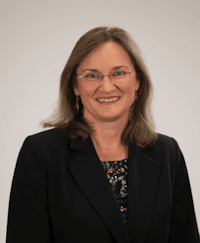 Sarah Nurmela – Incumbent, ENDORSED
Housing
While we can’t control market forces, the city can incentivize developers to build more affordable housing through funding partnerships and flexible fee structures. As an urban planner, I know land and construction costs drive prices most. We’ve already zoned for multifamily housing—it’s the market that hasn’t caught up yet. Our role is to create conditions that make building attainable housing possible through collaboration and smart policy.
Homelessness
We’re expanding partnerships with counties to connect residents to housing and services, including hotel stays and temporary shelter options. Our navigators work daily in parks and across the city to link people to resources. These partnerships—especially with Jefferson County—allow us to extend our reach and better serve those experiencing homelessness. Collaboration and compassion are key to helping people move toward stability.
Open Space
Westminster has already surpassed its goal of preserving 30% of land as open space, supported by a voter-approved tax. Our current focus is on connecting existing spaces with continuous trails and improving accessibility. With less than 4% of land left to develop, it’s important to balance preservation with thoughtful, connected planning.
Public Safety
Crime is down in Westminster, and our police department has reduced turnover and strengthened internal support. Co-responders now assist officers on mental health calls—a program officers say has been transformative. We’re also working with businesses to address safety in commercial areas and parking lots. Collaboration and proactive engagement keep Westminster safe and responsive.
Business
Our economic development team partners closely with local entrepreneurs to help unique businesses and restaurants thrive. We’re also working with cultural and neighborhood organizations to diversify events and support Westminster’s vibrant, multicultural identity. A strong mix of creative business and cultural collaboration keeps our community dynamic and welcoming.
Transportation
As we grow, Westminster is prioritizing pedestrian-friendly, gridded neighborhoods like downtown and the Orchard area. We’re expanding bike corridors through our Bicycle Master Plan and working with RTD on rapid bus transit along Federal, with hopes to extend service to Sheridan and Wadsworth. Regional cooperation remains key as we address congestion, speeding, and traffic safety through shared solutions like speed mitigation and better transit access.
Immigration
Westminster’s strength lies in its diversity. Rising housing costs threaten that, so we’re partnering with cultural organizations to ensure every community feels welcome and supported. Projects like the new Hmong community center and memorial reflect that commitment. We strive to be a buffer against national tensions—a city where everyone feels safe and valued.
International Issues
Local government’s role is to meet local needs and ensure residents feel safe and heard. When global conflicts heighten tensions, we respond locally—like increasing police presence at religious institutions facing threats. Residents are welcome to share their perspectives with council, and it’s our responsibility to listen while clarifying what actions fall within our scope. Our focus is safety, dialogue, and connection.
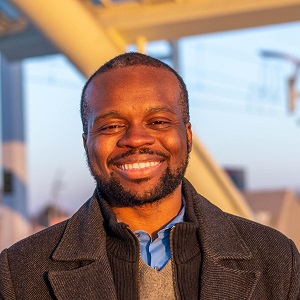 Obi Ezeadi – Incumbent, ENDORSED
Housing
Colorado faces a housing crisis, and cities must make building easier and more affordable. During my time on council, we’ve preserved existing affordable housing and planned new multifamily options to meet the needs of seniors, working families, and students. With only 1.7% of developable land left, smart, higher-density projects are the most efficient way to expand access while balancing open space, parks, and resources like water.
Homelessness
Helping unhoused residents has been a top priority. We expanded our navigator program, which connects people with housing, addiction treatment, and mental-health care—and it now has a 60% success rate in placing residents within six months. Last year, Westminster invested nearly $1 million in homelessness response, the most among suburban Denver cities. It’s still not enough, but it’s making a measurable difference. We must keep investing in what works.
Open Space
Westminster has some of the best open space in the state, and it’s essential to protect it. But we can also repurpose vacant commercial properties for housing instead of building over parks. Redevelopment keeps our green spaces intact and supports sustainability goals by reducing climate impacts. The key is balance—building in the right places while maintaining the city’s natural beauty.
Transportation
We recently made the largest road-investment in city history, though supply limits have slowed progress. Beyond fixing roads, we’re expanding multimodal options—adding trails, paths, and micro-mobility networks so residents without cars can move safely around the city. A balanced approach that includes bikes, transit, and smart-road technology will create a more connected and accessible Westminster.
Business
Small businesses are the backbone of Westminster. We’ve expanded grants, training, and retention programs to help them stay resilient. Keeping local dollars circulating strengthens the community far more than large corporate chains do. My priority is making sure entrepreneurs have the support, resources, and partnerships they need to grow and thrive here.
Public Safety
When I joined council in 2021, our police department had a 13% vacancy rate; today, it’s 1%. We improved pay, support, and recruitment while launching a co-responder program pairing officers with mental-health professionals. That initiative has reduced recidivism and improved community outcomes. Expanding it further will help first responders address emerging public-safety challenges with care and effectiveness.
ICE
As an immigrant and first-generation American, I believe local police should focus on Westminster—not federal ICE operations. Most undocumented residents are hardworking people caught in a broken system, and they deserve dignity. We’re expanding translation services, starting with Spanish and soon more languages, to make city meetings and programs accessible for all. Westminster should remain a city where immigrants feel welcome, respected, and safe.
International Issues
The city’s role is to listen and show empathy, even on global issues. Westminster is home to both Jewish and Palestinian residents, and I’ve met with many from both communities. While we don’t have jurisdiction over international conflicts, our words matter. I’ve called for a two-state solution and believe acknowledging residents’ concerns builds trust and unity. Local leadership means listening with compassion, even when the issue reaches beyond our borders.
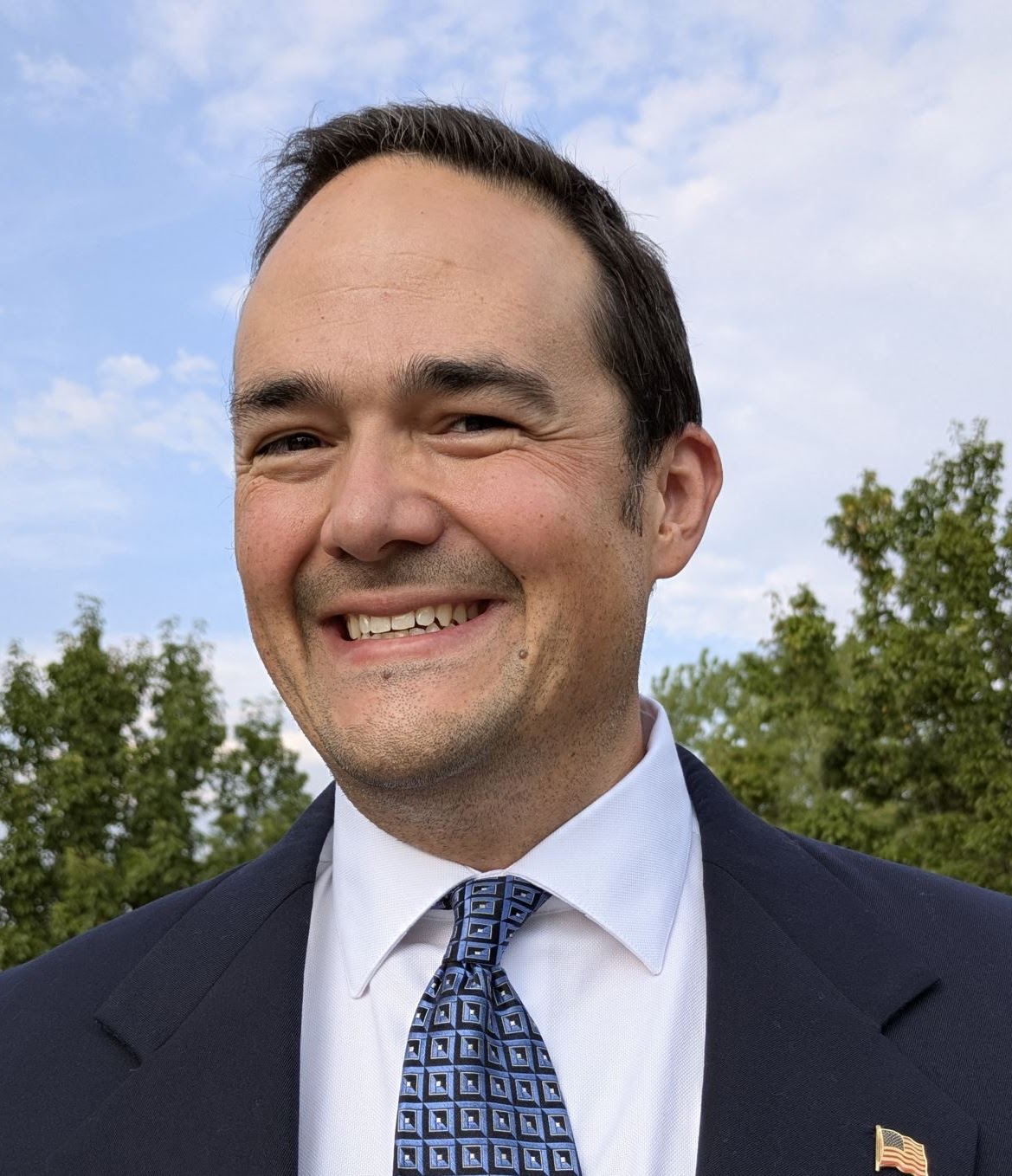 Jeremy Nuanes
Housing
City council’s role is to partner with staff and developers to find realistic housing solutions. I support requiring developers to include affordable units in new projects rather than putting that burden on taxpayers. We can explore denser, smaller housing options and collaborate with the county on affordability. But I don’t support raising taxes to do it—we need to prioritize existing funds and ensure every dollar is spent transparently and responsibly.
Open Space
Open space is already protected in Westminster’s charter, but I’d like to see the city pursue more where possible. Parks and green spaces make communities livable and are essential as density increases. We need to make sure new developments—especially multifamily ones—still include places for people to walk their dogs, get outside, and breathe fresh air.
Homelessness
I believe both housing-first and jobs-first strategies have value. People need stable housing to get back on their feet, but they also need opportunities to work and support themselves. Solving homelessness requires coordination between the city and counties, since Westminster spans both Jefferson and Adams. Real progress depends on strong city-county partnerships that combine housing, job training, and social services.
Business
I’m an engineer, so I like to see the numbers. Property taxes don’t bring in nearly as much as sales tax, so attracting businesses—especially small, local ones—strengthens our economy. We should make permitting easier and, when it makes sense, offer incentives or subsidies to help businesses improve their sites. I’d rather see local shops and restaurants than a city full of big-box chains.
Public Safety
Homeless encampments can be unsafe, and addressing them requires close coordination with law enforcement. As a council member, I’d rely on the police to tell us what resources they need—whether that’s more patrols or better training—and make decisions based on clear data. Public safety depends on partnership and accountability, not assumptions.
ICE
City law prevents council members from assisting ICE operations, and I respect that. However, anyone committing violent or serious crimes should face the same legal consequences regardless of their immigration status. Law enforcement should focus on criminal behavior, not immigration enforcement.
International Issues
Local government should stay focused on local issues, not national debates. City politics shouldn’t be about party lines or polarizing topics—we’re here to fix roads, manage budgets, and serve residents. Respectful dialogue matters, but national controversies have no place in city chambers.
Additional Note
I strongly oppose the amount of debt Westminster has taken on for projects like the new water treatment plant and courthouse. Taxpayers deserve transparency on how their money is spent, and I don’t support borrowing beyond our means to fund infrastructure. We need fiscal responsibility, not new debt.
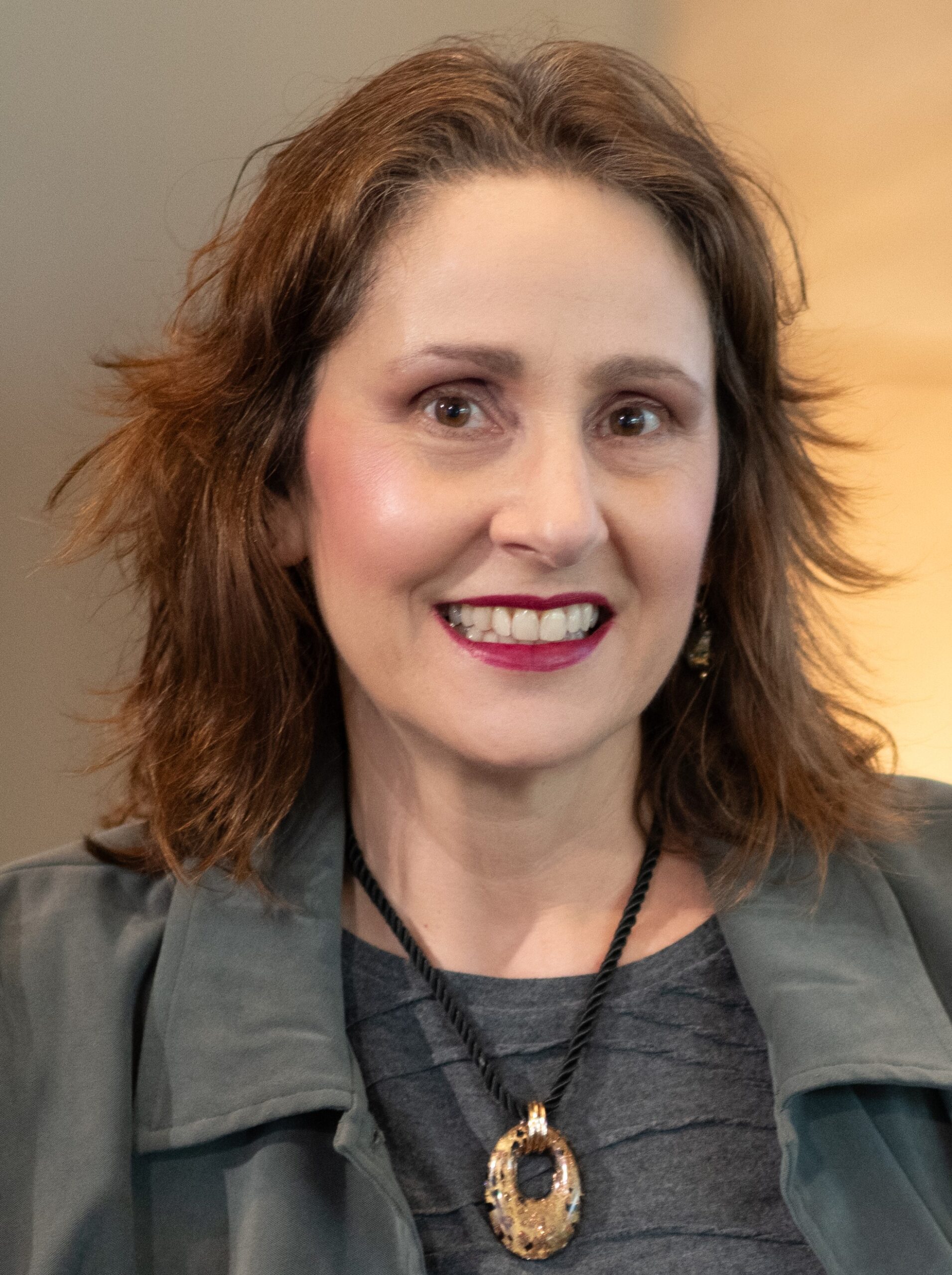 Kathy Stroud
Housing
I would like to see more home ownership. Going back to when there were tracked homes, 900-1000 square feet and closer together to make it more affordable.?We want young people to have a piece of the pie to get their foot in the door for ownership.
Homelessness
First, we have to find out why these people are unhoused, so can attack it from that angle first. Because I don’t think it’s going to be a one-size-fits-all all approach to everybody out there. ?And once we find out why, then we can go to the next step. Do they just need a job? Do they need treatment? And go from there.
Open Space
In the past, Westminster would purchase tracks of land, specifically for open space, and the citizens, that’s what we wanted. We like our open space in Westminster. ?And we were different from a lot of other cities around here because we actually had that in our plan, to maintain a certain amount of open space. I understand there’s growth, but I think we have to stick to the plan. And if we don’t have enough for housing, well, we have several cities nearby that do.
Karen Kalavity: Did not reply
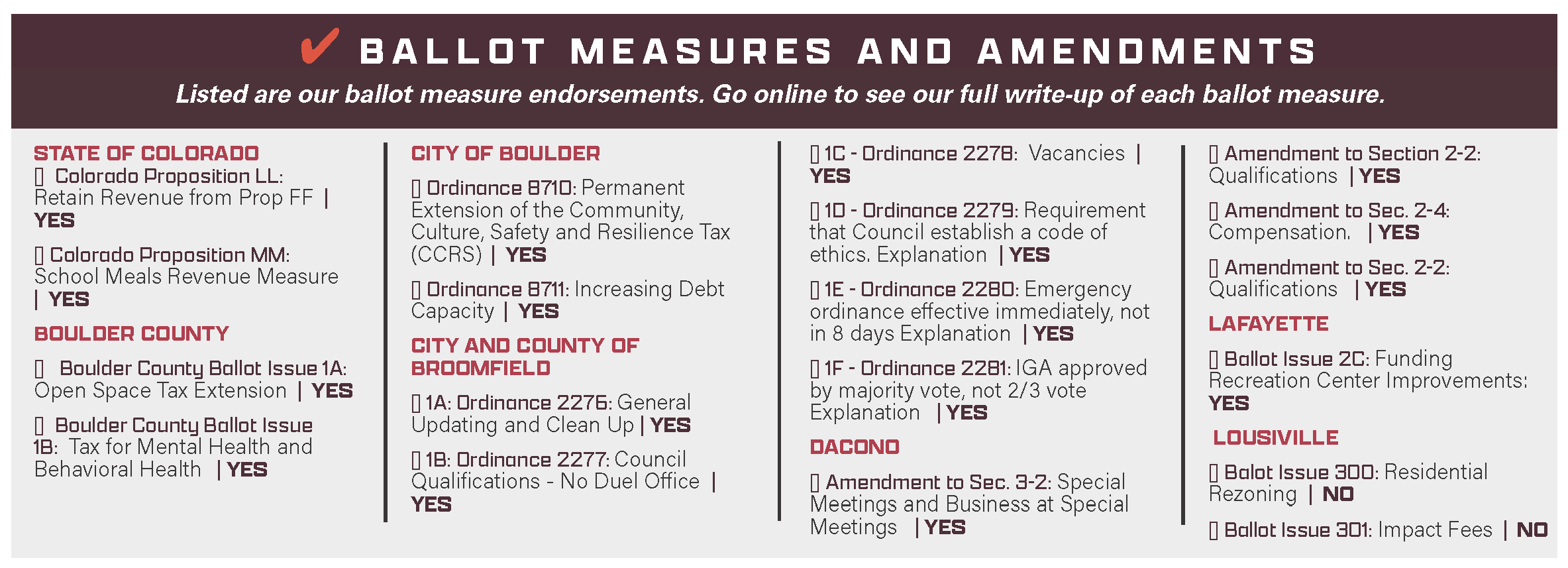 Ballot Issues 2025
Boulder County Ballot Measures:
Boulder County voters will be able to vote on two ballot measures from Boulder County in the November 2025 election: Issue 1A pertaining to open space sales and use tax, and Issue 1B, which introduces a sales and use tax in support of mental and behavioral health.
Boulder County Ballot Issue 1A, YES
Explanation: The Open Space Sales and Use Tax Extension offers a resolution of the Board of County Commissioners of Boulder County approving and to extend in perpetuity the existing 0.15% countywide Open Space Sales and Use Tax. This resolution is for the purpose of acquiring, improving, managing, and maintaining open space lands and other open space property interests, including agricultural open space.
For: County issue 1A would add a .1% sales tax, adding up to roughly $11 million in additional funding, which would help Boulder County prepare for the next fire. Colorado sees a prolonged fire-risk season, so this sales tax would help homeowners make properties more “resilient”. The .1% tax would further fund the Wildfire Partners program to defend against wildfires, like the Marshall Fire.
Against: This tax would be in addition to other property taxes Boulder County home- and land-owners are already taxed on. Due to open space over-reach due to fast-paced expansion in the last 15-30 years, this ballot measure may not be viewed as a solution, especially in combating future fires.
We vote yes on this issue because it will better prepare our communities in the event of another wildfire.
Boulder County Ballot Issue 1B, YES
Explanation: This measure introduces a sales and use tax in support of mental and behavioral health to impose for three years, an additional sales and use tax of 0.15% for the purposes of addressing unmet needs of youth, adults, families, unhoused individuals, and older adults in Boulder County. This includes, but is not limited to: suicide crisis prevention and intervention; substance treatment, recovery services, and use prevention; resources for unhoused individuals; and grants to community providers.
For: Approves a 0.15% countywide sales and use tax for three years, generating about $13.8 million annually for mental health and addiction services, and provides community-funded support in an area some community members have noted has a gap in resources.
Against: Those opposed have claimed this ballot measure is too broad and might potentially further disenfranchise the very people it seeks to support and protect because of risks in backfilling existing programs, rather than building new capacity for the long-term. However, it is likely this measure will pass, given Boulder County’s need for mental health services.
We vote yes on this issue because it better serves our community as a whole. Mental health is human health.
City of Boulder Ballot Measures:
Ordinance 8710: Permanent Extension of the Community, Culture, Safety and Resilience Tax (CCRS), YES
Explanation: Permanent Extension of the Community, Culture, Safety and Resilience Tax (CCRS). Voters will decide whether or not to make the city’s existing 0.3% CCRS sales and use tax permanent. If approved, the extension is expected to generate about $15 million annually for projects including, but not limited to: road and bike lane improvements; recreational area renovations; snow and ice removal response; and fire and police renovations.
For: Permanently extend the CCRS tax, authorizing up to $262 million in new debt for capital projects to fund public improvement, including community non-profits that serve the Boulder community. Otherwise, the city may lose up to roughly $15 million in annual funding for capital projects.
Against: There’s skepticism about city spending and concerns about already high property taxes, which currently fall heavily on lower-income tax payers. The 0.3% CCRS tax will expire in 2036 unless extended.
Ordinance 8711: Increasing Debt Capacity, YES
Explanation: The above measure, Ordinance 8710, which voters will decide on the Permanent Extension of the Community, Culture, Safety and Resilience Tax (CCRS), could also authorize Ordinance 8711, which would allow the city to increase its debt capacity for capital projects up to $262 million.
For: As mentioned in the “For” section for Ordinance 8710, Ordinance 8711 would authorize up to $262 million in new debt for capital projects to fund public improvements. The combined funding could help to address a $380 million backlog in maintenance and repair needs faced currently by the City of Boulder, like trail and bike lane maintenance, recreational area renovations, snow and ice removal response, and fire and police renovations.
Against: A city survey showed strong support with more than 60% of respondents favoring the sales tax extension. However, the same survey found that only 38% of voters supported the “public realm tax,” which adds to community skepticism about city spending and concerns about already high property taxes.
Broomfield Ballot Measures:
Overall, these ordinances concern updating the Broomfield Charter to ensure that it reflects current governance needs while maintaining transparency and ethical standards. The following explanations were provided from Citizen Portal’s notes of the July 9th, 2025, Broomfield County Council meeting.
1A: Ordinance 2276 – General Updating and Clean Up, YES
Explanation: Make general overall changes to the Charter, first adopted in 1974, that update language references without altering the substance, including:
- Change “City” to “City and County”
- Remove “municipal” or change “municipal” to “City and County” or “Broomfield” unless the context requires the use of “municipal”;
- Change “municipal” election to “coordinated” election
- Remove outdated language from the original submission of the Charter to the voters.
- Reference Broomfield’s voter-approved state constitutional amendment, Article XX, Section 10;
- Add language that acknowledges Council’s ability, as a governing body of a city and county, to create boards to perform county functions.
This ordinance will aim to revise the charter so it reflects Broomfield’s status as a city and county in 2025, updating outdated language to ensure clarity.
1B: Ordinance 2277 – Council Qualifications – No Duel Office, YES
Explanation: This amendment would change Section 4.6 to add a provision that an elected official cannot concurrently hold any other publicly elected office. This ordinance would prohibit elected officials from holding another publicly elected office to ensure that conflicts of interest are minimized.
1C – Ordinance 2278 – Vacancies
Explanation: This amendment would change Section 4.7 of the Charter regarding vacancies to:
- Expand the time frame for Council to elect a person to fill a councilmember vacancy would be 60 days, not 30 days.
- Make it that a person appointed to fill a vacancy in a councilmember seat will only serve until the next general or coordinated election (Currently, the person completes the entirety of the original term).
- Requires that a vacancy in the office of the mayor shall be filled by the current mayor pro tem, who shall serve until the next general or coordinated election (Currently, mayoral vacancy is filled in a special election unless vacancy occurs 4 months or less before the next election)
This ordinance also introduces an attendance requirement, stating that a council member who fails to attend 50% of meetings within a rolling 12-month period would create a vacancy. It also extends the time frame for filling vacancies from 30 to 60 days. In July 2025, public comments were invited, with one resident raising a concern about the attendance requirement and its implications for temporary medical incapacity.
1D – Ordinance 2279: Requirement that Council establish a code of ethics, YES
Explanation: This amendment would require Council to adopt a code of ethics. Broomfield currently has a code of ethics in Chapter 2-70 of the Broomfield Municipal Code, approved in 2001. However, there is no requirement in the Charter that such a code of ethics be adopted or remain in the code. This amendment would formalize the requirement for a code of ethics in the charter, ensuring that ethical standards are maintained for elected officials.
1E – Ordinance 2280: Emergency ordinance effective immediately, not in 8 days, YES
Explanation: The proposed change would allow emergency ordinances to take effect immediately upon passage, rather than after an eight-day waiting period, facilitating quicker responses to urgent situations.
1F – Ordinance 2281: IGA approved by majority vote, not 2/3 vote, YES
Explanation: This ordinance seeks to allow Intergovernmental Agreements (IGAs) to be approved by a simple majority vote instead of the current two-thirds requirement. It would formalize the ability of the council to delegate signature authority for these agreements and change Section 16.2 to permit IGAs to be approved by a majority vote of Council present, to formalize the ability of Council to delegate signature authority for IGAs, and to recommend that IGAs be published on the Broomfield website when practical and feasible. You
We vote yes on all of these amendments. Today, they will make little difference, but they will make it easier for the town/ county to streamline changes in the future.
Firestone Ballot Questions:
Resolution 25-74, YES
During the July 9, 2025, meeting, the Board of Trustees approved Resolution 25-74, which officially approves the ballot question language needed to submit a question to the voters to change the Town’s regular Municipal Election date from April to the November Coordinated Election. This change aligns with the Board’s goal to increase voter turnout, cut administrative costs, and enhance election efficiency.
This measure asks Firestone voters whether to move the town’s regular municipal election from April to the November coordinated election held in even-numbered years.
Currently, Firestone holds municipal elections on the first Tuesday in April every two years. During those elections, the mayor, who serves a two-year term, is always on the ballot, and half of the six Board of Trustees members are up for election to four-year terms. If approved, this measure would alter the election schedule so that town elections coincide with the statewide November election, when federal, state, and county races are also held.
The goal of this change is to increase voter participation, reduce administrative costs, and make elections more efficient by consolidating them with other coordinated elections managed by Weld County.
A “Yes” vote means Firestone’s regular municipal elections would move to November of even-numbered years, aligning them with state and national elections. This could lead to higher voter turnout and lower election costs for the town.
A “No” vote means municipal elections would continue to be held in April of even-numbered years, keeping Firestone’s local elections separate from county, state, and federal ballots.
We vote yes on this matter, as it would help the town be able to cast their votes.
Dacono Ballot Questions:
Shall the City of Dacono Home Rule Charter be amended to provide that a special meeting of the City Council may be called upon the written request of the City Manager?, YES
This ballot measure asks voters whether to amend the City of Dacono’s Home Rule Charter to allow the city manager to formally request a special meeting of the city council.
Under the current charter, only the mayor or two city council members can call a special meeting. The proposed change would add the city manager, the city’s appointed administrative officer, to that list. Special meetings are held between regular sessions when urgent or time-sensitive issues arise that require council action.
The amendment would also clarify the procedures for these meetings. It specifies that at least 48 hours’ written notice must be given to each council member, either personally or via city email, unless all members agree to meet sooner. Public notice would be posted at City Hall and on the city’s website.
A “Yes” vote would allow the city manager to request special meetings in writing, giving city leadership greater flexibility to address immediate issues.
A “No” vote would keep current rules in place, meaning only the mayor or two council members could call a special meeting of the city council.
We vote yes in order to bring some speed to city voting.
Shall the City of Dacono Home Rule Charter be amended to provide that, upon conviction of the Mayor or a Councilmember of a disqualifying crime, the office shall be declared vacant effective on the date of such conviction?, YES
This measure would amend the City of Dacono’s Home Rule Charter to state that if the mayor or a city councilmember is convicted of a disqualifying crime, their office would automatically become vacant on the date of conviction.
Currently, while the charter disqualifies individuals with certain criminal convictions, such as felonies or crimes involving moral misconduct (such as bribery, fraud, embezzlement, perjury, or other acts showing moral turpitude), it does not clearly define when a seat must be vacated if the conviction happens after the person has taken office. This amendment would close that gap by making the vacancy effective immediately upon conviction, allowing the city to begin the process of filling the seat without delay.
A “Yes” vote means the charter would be updated so that if the mayor or a councilmember is convicted of a disqualifying crime, they would lose their position immediately on the date of conviction. This is intended to promote accountability and uphold public trust in city leadership.
A “No” vote means the current charter language would remain in place. The timing of when an office becomes vacant after a conviction could continue to be unclear, potentially allowing an elected official to remain in office during or after criminal proceedings.
Shall the City of Dacono Home Rule Charter be amended to provide that elected official compensation shall be established by ordinance of the City Council, provided such compensation shall not be increased or decreased during the term for which the mayor or councilmember has been elected?, YES
This measure would amend the City of Dacono’s Home Rule Charter to allow the city council to set the compensation of elected officials by ordinance, while keeping restrictions on when those changes can take effect.
Currently, any increase in pay for the mayor or city council members must first be approved by voters at a regular election. The proposed amendment would remove that requirement and instead authorize the city council to set or adjust pay levels through the normal ordinance process. However, the charter would continue to prohibit any change in compensation, either an increase or a decrease, from taking effect during an official’s current term.
This means that any adjustment made by the council would only apply to future officeholders, not to those already serving. The measure is designed to simplify the process of making compensation decisions while maintaining safeguards against officials voting to raise their own pay.
A “Yes” vote allows the city council to establish compensation for elected officials by ordinance, effective only for future terms.
A “No” vote keeps the current system, meaning any increase in pay for the mayor or council members would still require voter approval at a regular election. ??
Shall the City of Dacono Home Rule Charter be amended to provide that the offices of mayor and councilmember shall be considered separate offices for the purpose of term limits and to clarify that terms are considered consecutive unless they are at least four years apart, as set forth in the Colorado Constitution?, YES
This measure would amend the City of Dacono’s Home Rule Charter to clarify how term limits apply to the mayor and city council members.
Under current rules, no elected official may serve more than three consecutive three-year terms; however, the charter does not clearly state whether service as a council member and as mayor counts toward the same limit. This amendment would specify that the two roles are separate offices for the purpose of term limits. For example, someone who has served as a councilmember for three terms could still run for mayor and serve up to three additional terms in that office.
The measure would also clarify how consecutive terms are counted. Terms would be considered consecutive unless they are separated by at least four years, which aligns with the definition in the Colorado Constitution. This provides consistency with state standards and ensures that local term limits are applied uniformly.
A “Yes” vote clarifies that term limits apply separately to the offices of mayor and councilmember and defines consecutive terms as those less than four years apart.
A “No” vote keeps the current charter language, which does not clearly distinguish between the two offices or define what constitutes a consecutive term.
City of Lafayette Ballot Measures:
City of Lafayette Ballot Issue 2C – Funding Recreation Center Improvements, a New Civic Center, and Service Center Improvements, YES
Shall City of Lafayette debt be increased $74 million, with a repayment cost not to exceed $120 million (principal and interest), for the following purposes:
- Renovating and expanding the Bob L. Burger Recreation Center, including enhanced and expanded aquatics amenities, expanded space for fitness and older adult services, and programming for community members of all ages;
- Constructing a new Civic Center to replace the existing City Hall, to provide more accessible public services, municipal court, community spaces, and space to support City services;
- Renovating and repairing the existing Parks/Public Works Service Center to improve the efficiency, delivery, and sustainability of key City services, including snow plowing, utility repairs, and maintenance of parks, streets, and open spaces. You
And shall City property taxes be increased not more than $6 million annually to pay such debt, and shall the mill levy be imposed in any year without limitation as to rate but only in an amount sufficient to pay the principal of, premium (if any), and interest on such taxes and any investment income earned from such proceeds and revenues be collected and spent without limitation or condition as a voter-approved revenue change and an exception to the limits that would otherwise apply under Article X, Section 20 of the Colorado Constitution or any other law?
- This measure asks Lafayette voters to approve the issuance of $74 million in city debt, with total repayment cost of up to $120 million, to fund several major public facility projects. The funding would come through general obligation bonds, repaid by property taxes that could increase by no more than $6 million annually.
The bond would pay for three main projects: renovating and expanding the Bob L. Burger Recreation Center with improved aquatics facilities and fitness areas, constructing a new Civic Center to replace City Hall and provide space for municipal services, the municipal court, and community use, and renovating the Parks and Public Works Service Center to modernize city maintenance and operations.
Supporters believe the improvements would expand recreational options, make city services more accessible, and strengthen infrastructure for essential services, including snow removal, utility work, and park maintenance.
A “Yes” vote authorizes the city to issue up to $74 million in bonds and increase property taxes as needed, up to $6 million per year, to repay the debt, allowing the proposed projects to move forward.
A “No” vote means the city would not issue the bonds or raise taxes, and the proposed facility upgrades and construction projects would not proceed at this time.
We vote yes for the betterment and safety of a public space.
City of Louisville Ballot Measures:
Ballot Issue 300, NO
Shall the City of Louisville adopt an initiated ordinance amending chapter 17.16 of the Louisville Municipal Code to prohibit residential rezoning of the following properties: Centennial Valley (consisting of the property within the 2015 Centennial Valley General Development Plan); Redtail Ridge (consisting of the property within the 2010 ConocoPhillips General development plan); and Avista Adventist Hospital (consisting of the property within the 2002 Avista Adventist Hospital General Development Plan); and to create an exception to such prohibition for the development of housing that includes 30% on-site deed-restricted affordable housing limited to households at or below eighty percent (80%) of the area median income (AMI)? You
- This measure asks voters whether to prohibit residential rezoning within three areas of Louisville: Centennial Valley, Redtail Ridge (the former ConocoPhillips site), and Avista Adventist Hospital. The change would prevent new housing in these areas unless at least 30% of the units are on-site, deed-restricted affordable housing for households earning up to 80% of the area median income (approximately $115,000 for a family).
The rule would apply to all housing types, including single-family homes, apartments, and mixed-use projects that include residences. It would also apply to vacant and developed land currently used for commercial, medical, or office purposes.
Supporters believe the measure protects commercial land that supports city services through sales tax revenue, maintains Louisville’s community character, and still allows affordable housing under specific conditions.
Opponents argue that the restriction could exacerbate the housing shortage, limit flexibility for landowners, and deter investment. They also argue that it could conflict with state law, which prohibits anti-growth measures, and lead to costly litigation.
A “Yes” vote prohibits residential rezoning in the listed areas except for projects meeting the 30% affordable housing requirement.
A “No” vote keeps current rules, allowing the city to consider residential rezoning through its existing review process.
We vote no; if passed, this bill could limit housing, both affordable and new builds. Limiting growth in Louisville could drive out the middle and lower classes.
Ballot issue 301, NO
Shall the City of Louisville adopt an initiated ordinance amending Chapter 3.18 of the Louisville Municipal Code to increase the categories of capital facilities for which impact fees are imposed in connection with new development (specifically including library, transportation, parks and trails, open space, recreation, emergency services, municipal buildings, water, wastewater, sewer, flood control, and affordable housing); require a new impact fee study by June 1, 2026 and updated studies every five (5) years thereafter by outside consultants; and require the formation of an Impact Fee Liaison Committee to advise City staff and consultants?
This measure asks Louisville voters whether to expand the types of impact fees the city collects from new development and add new oversight requirements for how those fees are studied and updated.
Currently, impact fees are charged to offset the costs of new development on city facilities such as libraries, parks, and transportation infrastructure. The measure would broaden the list of facilities funded by these fees to include transportation, parks and trails, open space, recreation, emergency services, municipal buildings, water, wastewater, sewer, flood control, and affordable housing.
The proposal would require the city to hire outside consultants to complete a new impact fee study by June 1, 2026, and update it every five years. It would also establish an Impact Fee Liaison Committee, comprised of representatives from city boards and commissions, to advise on the studies and promote public transparency.
Supporters believe the measure ensures new development pays its fair share for infrastructure, maintains service levels, and improves transparency. Opponents argue that additional fees could discourage growth, overlap with existing programs, and add unnecessary administrative costs.
A “Yes” vote expands the types of impact fees, mandates regular independent studies, and creates a liaison committee.
A “No” vote maintains the current impact fee structure and study process.
We vote no; this could limit the affordability of work or bids in the area.
Colorado Measures
Proposition LL, YES
Should the State of Colorado be allowed to keep $12.4 million in excess revenue already collected from high-income taxpayers and use it to continue funding free school meals for all students, instead of refunding the money to those taxpayers?
Proposition LL concerns the state’s school meals program, which provides free breakfast and lunch to all Colorado students, regardless of family income. The program is funded by limiting tax deductions for residents earning over $300,000 per year.
In the last fiscal year, the program collected $12.4 million more than allowed under the state’s Taxpayer’s Bill of Rights (TABOR), which normally requires excess revenue to be refunded to taxpayers. Proposition LL would allow the state to retain that money and use it for the school meals program rather than issuing refunds.
A “Yes” vote allows the state to retain and expend the $12.4 million allocated for the school meals program, thereby maintaining free meals for all students.
A “No” vote would require the state to refund $12.4 million to households earning over $300,000 per year, with refunds averaging approximately $62 per qualifying taxpayer.
We vote yes; this helps redistribute funds which TABOR prevents
Proposition MM, YES
Should Colorado raise an additional $95 million each year for the Healthy School Meals for All program by further limiting state income tax deductions for people earning over $300,000 annually?
Proposition MM would provide permanent funding for Colorado’s free school meals program, which currently faces a $50 million budget shortfall. The measure would increase revenue by tightening tax deductions for households earning more than $300,000 per year, resulting in an average annual tax increase of approximately $486 for those taxpayers.
The added funding would cover the program’s full costs and allow the state to move forward with delayed components, including grants for schools to buy locally grown food and higher wages for cafeteria workers. Any additional revenue could be used to support other efforts aimed at reducing food insecurity across Colorado.
A “Yes” vote increases taxes on households earning more than $300,000 annually to raise $95 million each year, fully funding the school meals program and related food security initiatives.
A “No” vote would maintain the current tax limits and funding structure, leaving the program’s $50 million budget gap unresolved and delaying additional food-related programs for schools and communities.
We vote yes; this helps redistribute funds which TABOR prevents
Yellow Scene Magazine is the last and only independently owned news platform in Boulder County and the North Metro region. We’re also the only one conducting live, unscripted candidate interviews — known for asking the hardest questions.
This compilation took ten writers, two managers, three artists, and one publisher — nearly 400 hours of real human work. It would be cheaper, faster, and easier to send out email surveys or let AI write the answers. But that’s not how Yellow Scene works. It’s real journalism, or we don’t do it.
If you value this labor, please consider becoming a sustaining supporter. Good local journalism isn’t powered by big budgets — it’s powered by people.

Democracy needs journalism more than ever. We’ve been telling the truth for 24 years. Your support helps us keep telling it for at least the next four years.