





It’s a common question asked of longtime Denver residents: “Where were you when it happened?”
The year was 1984. In an instant, a suburb of Denver was taken by the Beyonder to become part of Battleworld. That cosmic event took place in the Marvel Comics mini-series “Secret Wars.” To a child of a certain age in a pre-internet world, this was a moment. Marvel, one of the two big comic book publishers at the time (alongside DC Comics), was including your city in a literal earth-shaking event. While Denver had played a part in comic stories before, this was really the first time that the area had been so prominent inside the pages.
Comics have maintained their hold on readers because of their ability to connect. And that’s really what that “Secret Wars” Denver-centric event was, a connection point. One that was both “real” in a “that’s where I live” kind of way and one more literary in the way that it pulled you into a broader story. Longtime fans and those who have studied comics know it was just another moment in a long, long line of comic books doing what they do best.
The Evolution of the Medium
Since they first appeared over a hundred years ago, comic books have captured our imagination in a way that few other entertainment outlets have. Colorado-based creator Dave Dwonch said, “You can do whatever you want in a comic book, and the only budget that you have is the limitation of the creators. They expand what you would think of as traditional storytelling and the trick of the page turn, the building up of suspenses in the turning of a page, and the time that exists between panels — you know, like, you can jump within five to 10 to 20 years within the sequence of four panels. That’s pretty amazing and something that I think is extremely specific to comics.”
The first comic books were reprints of newspaper strips and fun, character-driven stories featuring The Brownies, Obadiah Oldbuck, The Yellow Kid, and other plucky characters. They were escapist fun intended to be simple, disposable entertainment.
Things changed in 1938 with the debut of Superman flying across 13 pages of Action Comics #1. This character, created by two teens from Cleveland, Jerry Shuster and Joe Siegel, was humble and meek and yet, in a second, could be stronger than steel. To kids living during the Depression, Superman became both a hero and an ideal, marking a new age in comic books: They went from stories you read and forgot about to ones that inspired you and that you aspired to.
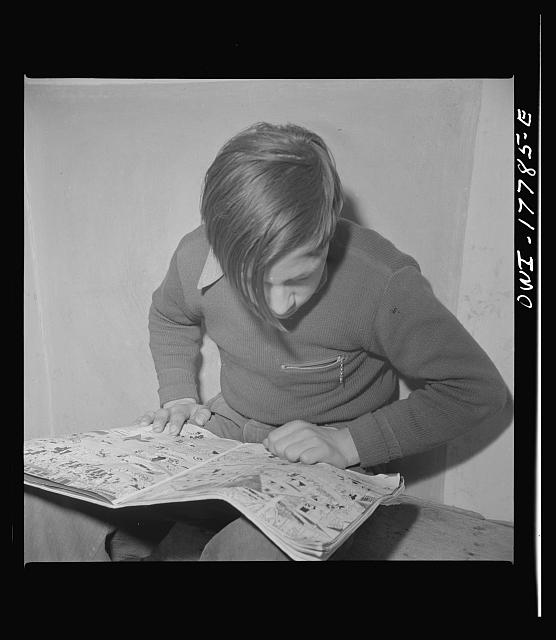
“The characters represent sort of a transcendent feeling that we all have inside us. That we could do better. That we want to do better. We can be the people that we lionize.” — Jack Kirby
There wasn’t an intentional shift in the narrative of comic books though. Rather, this was a byproduct of the writers and artists exploring and expanding the medium and, in the process, discovering what it could be.
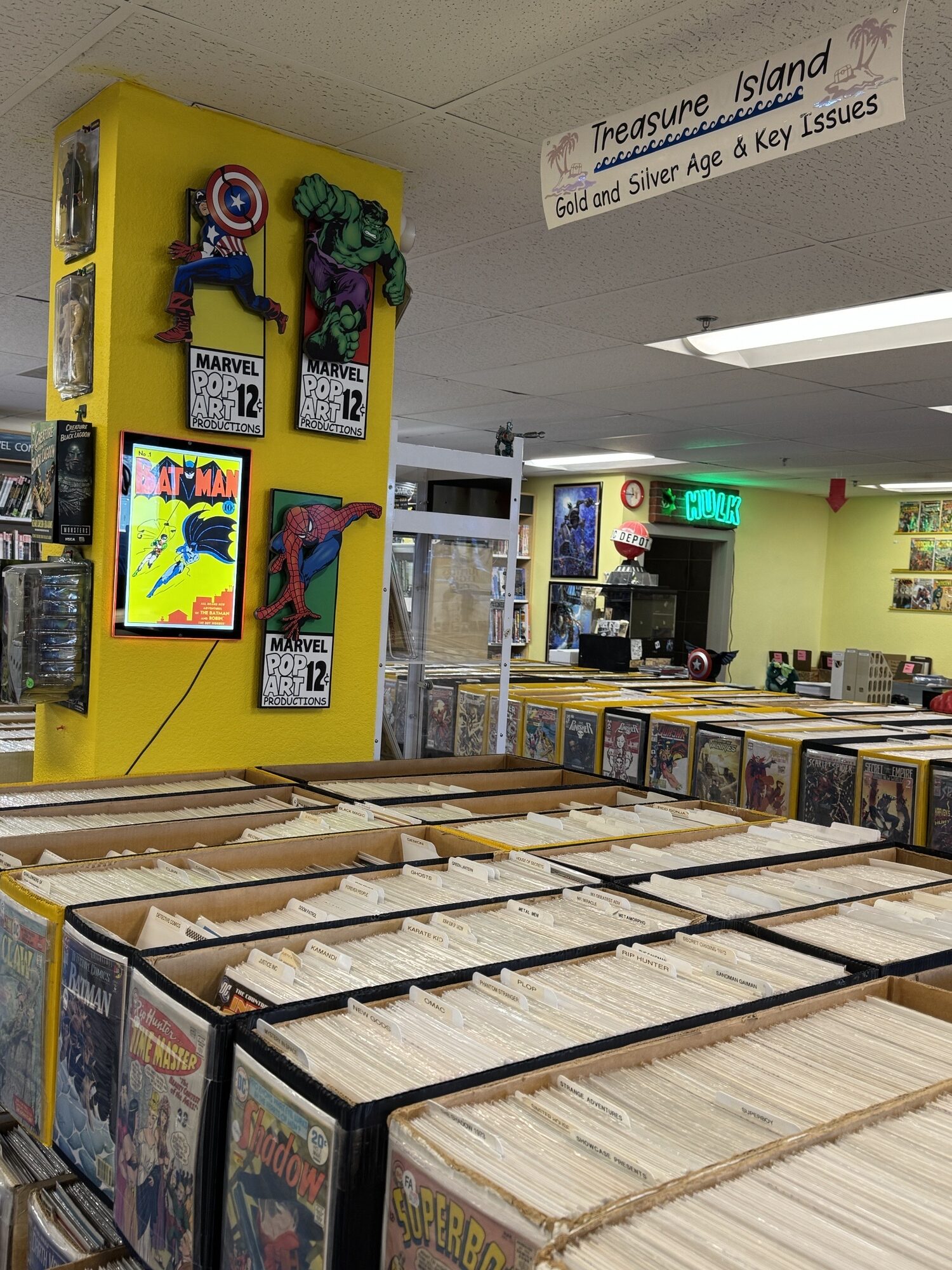
Time Warp Comics and Games Boulder, Colorado
Colorado-based illustrator Scorpio Steele said comics are “a more active medium. They require more of your active imagination than watching a movie does. It’s the arrangements (of the panels), the puzzling, the puzzle pieces, putting them together to make one big picture and discovering how all of the little pictures build a big picture.”
Kelly Cooke, who owns Time Warp Comics and Games in Boulder, Colo. with his wife Dottie said, “Comics are an on-ramp for children to create and exercise their theatre of the mind.”
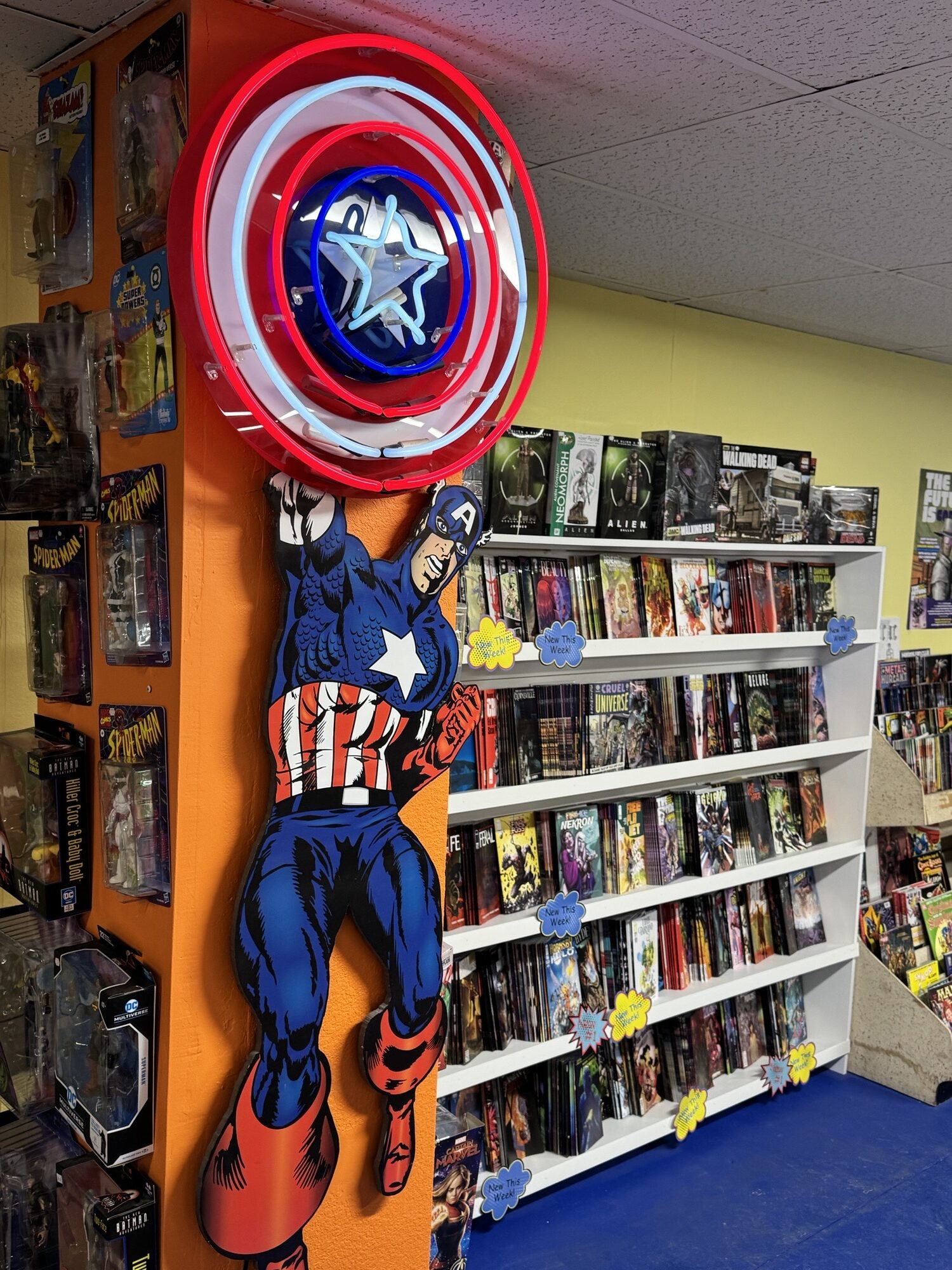
Time Warp Comics and Games Boulder, Colorado
Cooke said that comics may have started as simple entertainment, but over time they have grown in complexity so that they both mirror and act as a comment on society. “Take something like the X-Men,” Cooke said. “It was created to be an allegory about racism. It is in many ways a treatise on racism that is global. In fact, if you want to see how a comic book can affect you, like, you wanna see a good ‘gut punch, holy crap, that was a book,’ I invite you to read ‘God Loves, Man Kills.’” This 1982 graphic novel puts popular characters like Wolverine and Storm into a story filled with religious persecution, racial discrimination, and antisemitism. Heady subjects to be sure, but the medium makes them understandable and digestible without watering them down.
Canary in the Coal Mine
Comics haven’t always reflected the current state of society. Sometimes they become an active focal point in the morality crusades. In the 1954 Senate Subcommittee Hearings on Juvenile Delinquency, comics were being derided as one of the causes of the American youth’s moral decline. Bill Gaines, the publisher of EC Comics, was called before the committee to give testimony. In his opening remarks he said, “Pleasure is what we sell: entertainment, reading enjoyment. Entertaining reading has never harmed anyone. … What are we afraid of? Are we afraid of our own children? Do we forget that they are citizens, too, and entitled to select what to read or do? We think our children are so evil, simple minded, that it takes a story of murder to set them to murder, a story of robbery to set them to robbery?”
The pleas of Gaines still ring true today as comics like “The Diary of a Teenage Girl” by Phoebe Gloeckner, “Drama” by Raina Telgemeier, “Fun Home: A Family Tragicomic” by Alison Bechdel, and “Maus” by Art Spiegelman have faced challenges across the country. Objections to comics and their creators have become so prevalent in fact that the Comic Book Legal Defense Fund was established for “the protection of the First Amendment rights of the comics art form and its community of retailers, creators, publishers, librarians, and readers.”
The Mile High Impact on Collectors
Up until the Beyonder swiped part of the area, the biggest impact Denver may have had in comics was as the home of the Edgar Church Collection (later known as the Mile High Collection). These were an estimated 22,000 comics that Church, an advertising illustrator, had amassed as a reference library.
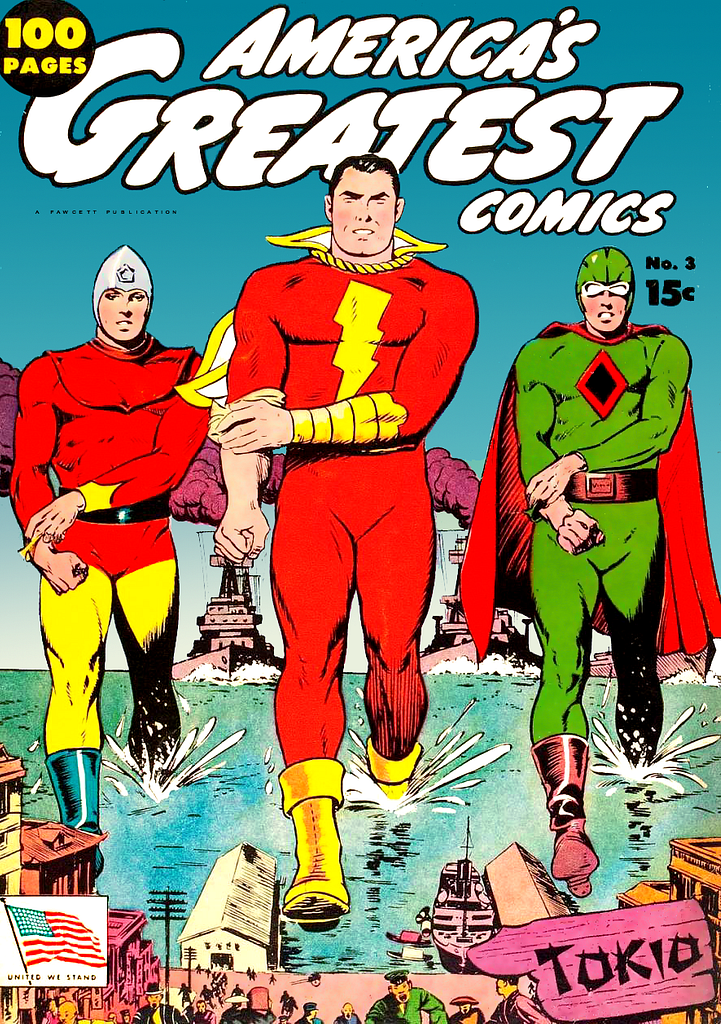
While collecting was not a new hobby by any means, the sheer size, scale, and contents of the Church collection gave the comics community pause. Overnight, fans and professionals alike were equating Denver with collecting comic books. The unintentional result of that was the seeding in impressionable minds the idea that the comics business, in some form or another, was an achievable career goal for someone growing up drawing Rocky Mountain adventure stories.
One of those is comics creator Travis Hymel who lauds the comics community that has grown across the region. He describes the work these individuals do as “magic.” He said, “It really is a team effort. And it kind of, when it all flows together, you can really get people sucked into these stories, like really involved in these stories.”
Silver Screen Success
When you ask someone if they liked seeing “Superman” in the theatre this year, those who delve deep in comic book history will know that the David Corenswet starrer is just the latest in a long line of film iterations of the Man of Steel. (Does the best silver screen version of Superman inhabit the short features directed by Dave Fleischer in the 1940s?) While purists will debate the details of the film, those who care about comics as a business welcome its success (and that of the Marvel Cinematic Universe) as an entry point for people to return to the source material and then hopefully branch out from there.
Steele said, “The Avengers and the Marvel movies have brought people to comics, but does it also make them think that that’s, again, all the comics are? You know, guys with capes? When there’s these, you know, untold other opportunities for stories within there?”
Cooke said that knowing what people think of movies is one of the markers he uses when recommending books. In addition to movies they like, he said when someone is looking for a recommendation, he’ll ask what things they like to watch, what types of genres they like to read, what else they are interested in. “There’s a comic book for everything,” he said with a laugh.
“From what my understanding is,” Steele continued, “Scholastic is really the biggest publisher of comics right now. So you have generations of children reading graphic novels, not necessarily floppy pamphlets that come out on a weekly basis.”
What’s Next?
It’s rare these days to walk into a drugstore and find a rack of comics or browse through a new issue while waiting in line at the grocery store. You can certainly stop into a comic book shop or book store and find new and back issues of a classic character or an all-new favorite and of course many new books get digital releases. But go in with an open mind. Comic books have remained a vibrant part of the cultural landscape for so long because of their adaptability. Things change but that can be part of their appeal. When considering today’s version of some of his favorite characters, Steele has this to say: “I recognize that myths have always changed throughout history to appeal to new generations.”
“I used to be embarrassed because I was just a comic book writer while others were building bridges or going on to medical careers. Then I realized that entertainment is one of the most important things in people’s lives. I feel that if you’re able to entertain, you’re doing a good thing” — Stan Lee
Super Kids Issue Cover Contestants
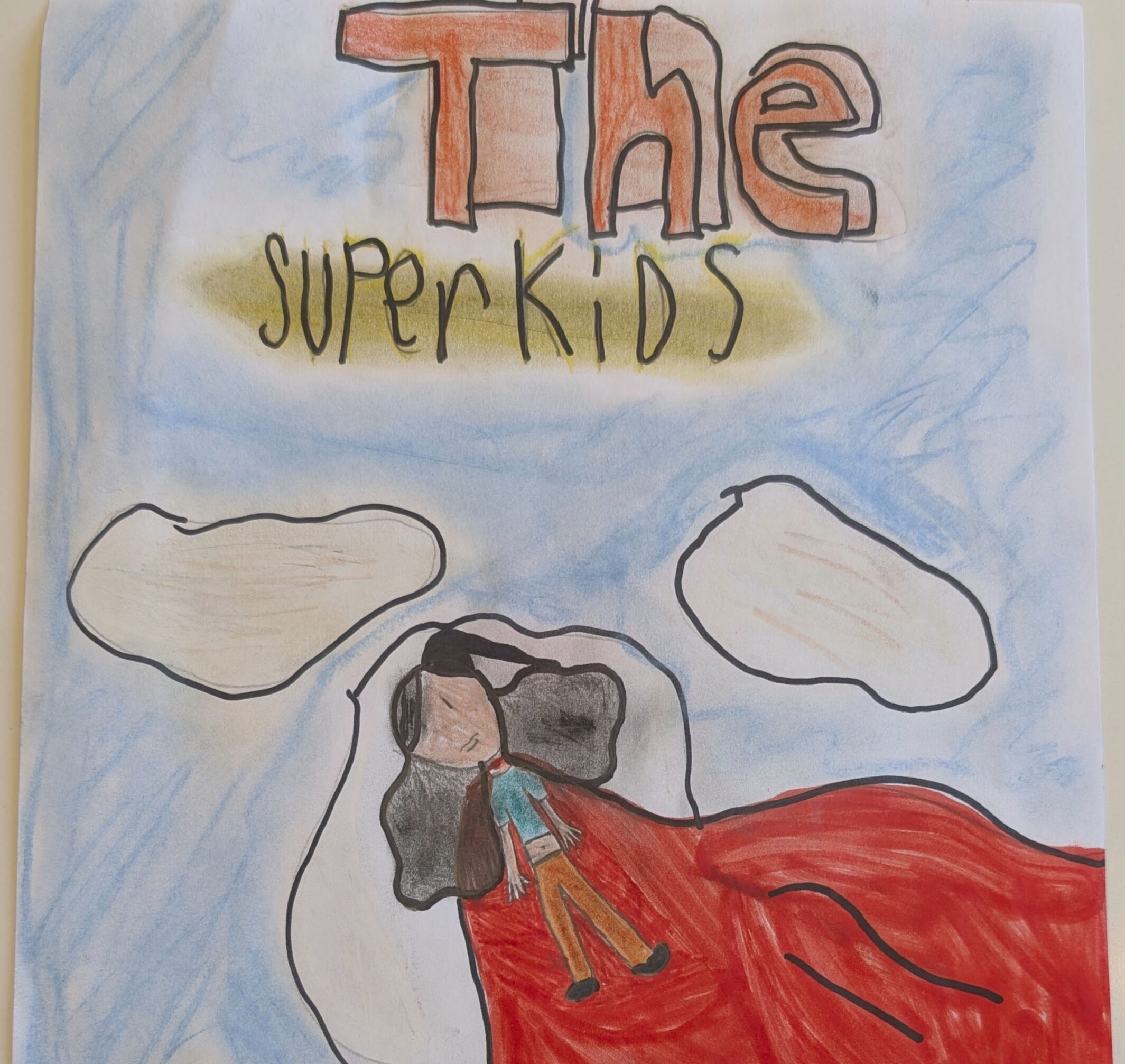
Stella M
Bixby Elementary
Stella’s Superkids art was inspired by a desire to reach the clouds. “I have always wanted to fly,” Stella said, “so this was my opportunity.” While Stella has a talent with a pencil, her passion lies in a different field. “I love science, because I like experimenting.”

Mckinleigh Hein
Thornton High School
The duality of a hero was the drive behind Mckinleigh’s work. “My inspiration was Spiderman and how anyone can wear a mask and be a hero!” Mckinleigh said “Art has truly been my passion and I hope as I get older I can be the best artist I can be.”
Local Artist Profile
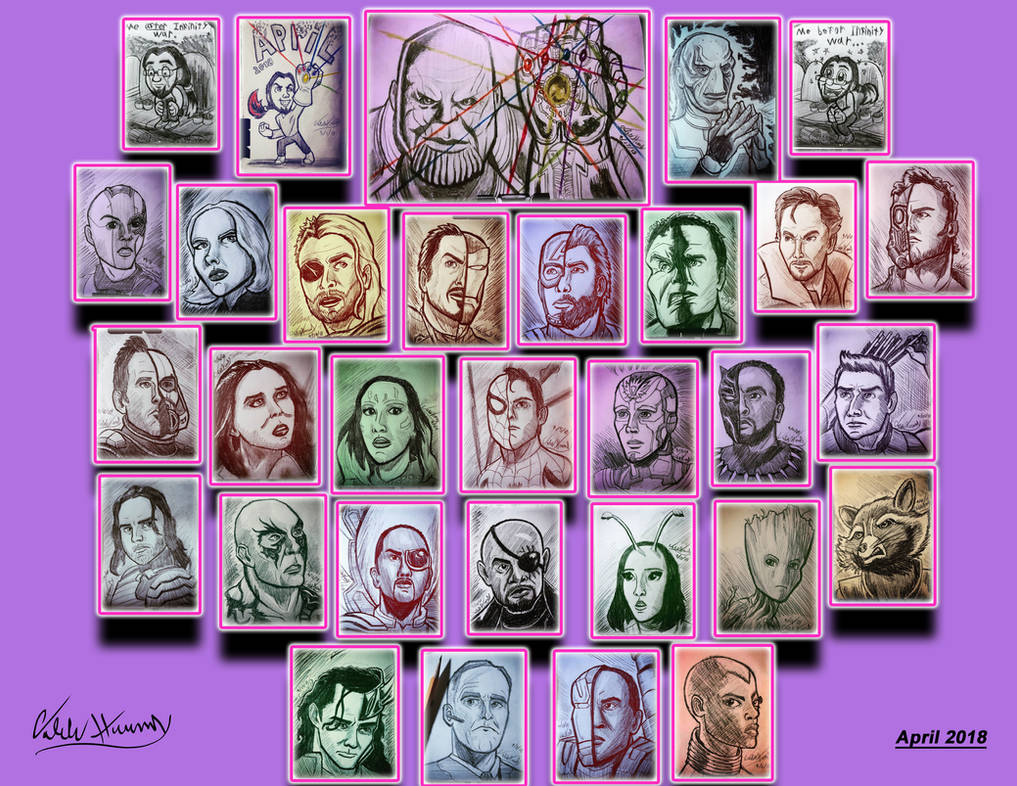
Caleb Harms
Co-founder of Harms Publications
Caleb said he got started with a pencil early. “Like many kids, I doodled when I was young. Many people think that drawing and art is an innate ability, but this is not true. Like any skill, if you find enjoyment in doing it and practice at it for long periods of time, I believe anyone can master the craft (but patience and imagination go a long way to help!)” He believes strongly in the power of art to tell a story. “Art has an amazing ability to tell everlasting stories that strengthen people’s imaginations and emotions. Whether it’s incredibly detailed artworks or comical stick figures, I love being able to tell a story.”
Find more of his work on Instagram at Caleb Harms Art
Like journalism like this? Consider becoming a sustaining supporter — and get our print edition delivered to your home each month.
Democracy needs journalism more than ever. For 25 years, we’ve told the truth — your support helps us keep doing it for the next four and beyond. Administrations come and go. Our team stays, ready to lead no matter who’s in charge.