




American Red Cross of Mile High Area
444 N. Sherman St.
Denver, CO 80203
Media Contact: Catie Ballenger
(970) 261-6282 | [email protected]
FOR IMMEDIATE RELEASE
Stay Safe During Upcoming Spring Snow Storm With These Red Cross Tips
As temperatures drop and snow piles up across the Denver metro, safety around the home and travel are even more important
DENVER, Colo. (May 4, 2026) — With a spring storm bringing late-season snowfall across the Denver metro this week, the American Red Cross of Mile High Area urges everyone to take steps to keep themselves and their homes safe.
According to the National Weather Service, the greatest impacts are expected late Tuesday into early Wednesday, with heavy, wet snow likely across higher elevations, including the Front Range foothills and higher elevations, but several inches of snow are also possible across the Denver metro. Now is the time to take steps to be prepared for difficult travel and staying warm in lieu of any power outages.
OUTDOOR SNOW SAFETY
Make sure to be safe around your home during snowy conditions by following these tips:
- During cold weather, running water, even at a trickle, helps prevent pipes from freezing. Open cabinet doors to circulate warmer air around plumbing.
- To protect against frostbite and hypothermia, dress in several layers of warm, loose, lightweight clothing, and wear mittens and a hat (preferably one that covers your ears).
- Change wet clothing regularly to prevent body heat loss.
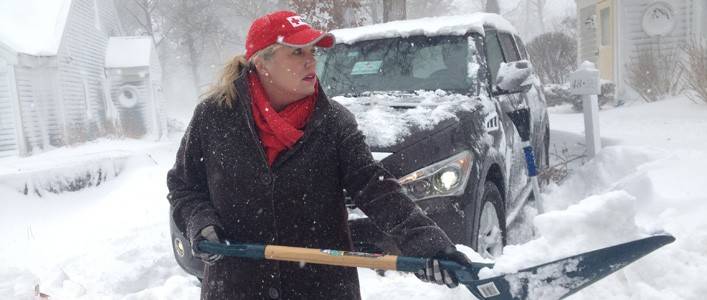
- Before you shovel snow, make sure to stretch and do not overexert yourself while you shovel.
- Avoid drinking caffeine or alcohol before you do any outdoor activity, including shoveling, as they can cause dehydration.
- Never use a generator, grill, camp stove, or other gasoline, propane, natural gas, or charcoal-burning devices inside a house, garage, basement, crawlspace, or any partially enclosed areas.
- Locate the unit away from doors, windows, and vents that could allow carbon monoxide to come indoors.
- Bring pets indoors during cold weather, if possible. If not, ensure they have a warm, dry, and insulated place to go to, as well as access to food and water that is unobstructed by snow, ice, or other obstacles.

WINTER WEATHER DRIVING SAFETY
The Red Cross encourages everyone to avoid traveling, if possible, during any sort of stormy weather, such as high winds, freezing rain, or snow. When in doubt, don’t go out!
If you must travel, make sure to follow these important safety tips:
- Pack an emergency kit in your vehicle. This includes high-protein snacks, water, a first aid kit, flashlight, small battery-operated radio, blanket, jumper cables, map, cellphone charger, and an emergency contact card containing names and phone numbers
- Let someone know the route you are taking, in addition to when you are leaving and when you plan to arrive.
- Ensure that your vehicle’s headlights, taillights, signal lights, and windows are clean to improve visibility, and make sure all lights are in working condition.
- Make sure that your vehicle has a full gas tank before you leave.
- Make sure all passengers are using their seat belts, and that children are in an appropriate seat for their age and size.
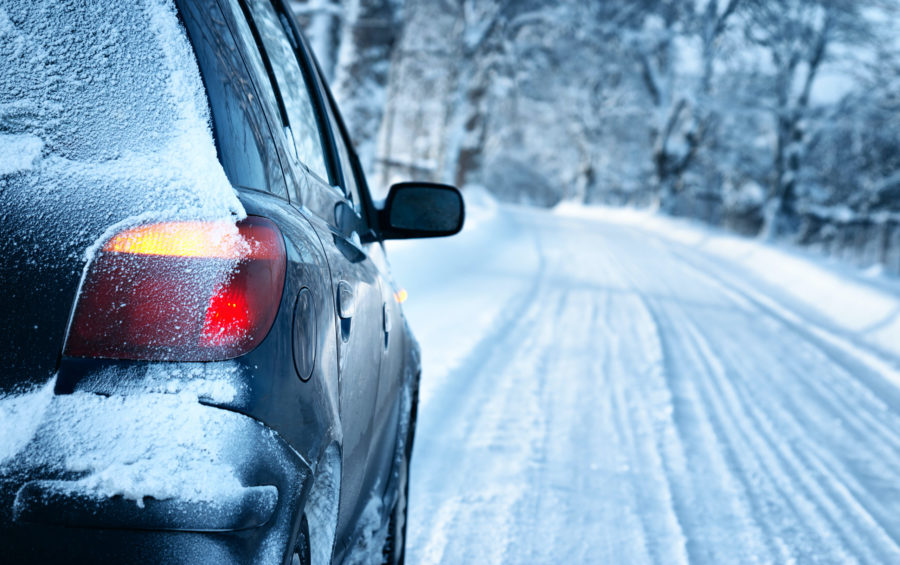
When driving to your destination, follow these tips:
- Buckle up, slow down, and don’t drive impaired.
- Give your full attention to the road and avoid distractions like cell phones.
- Be well rested and alert while behind the wheel. If you are too tired to drive, stop and get some rest before continuing.
- Be aware of road conditions and adjust your speed as they change. Do not use cruise control in wintry conditions.
- Be especially cautious on ramps, bridges, and overpasses, which freeze before other roadways.
- If driving a high-profile vehicle, be aware of high wind conditions. These can pose a danger even without snow or ice.
- Don’t follow another vehicle too closely, and be respectful of other motorists by following the rules of the road. Sudden stops are more difficult in wet or icy conditions.
- Follow rules concerning the use of snow chains if your vehicle and/or road conditions require them.
- Turn on your headlights as dusk approaches, or if you are using your windshield wipers due to inclement weather.
- Don’t overdrive your headlights; drive at a safe speed so that you can stop in time if your headlights reveal a hazard in the road ahead.
- If you have car trouble, pull off the road as far as possible.

COLD WEATHER HOME SAFETY
Overall, home fires account for most of the 60,000-plus disasters that the Red Cross responds to each year — and home fire responses are 30% higher during cold months than warmer times of year. According to the National Fire Protection Association (NFPA), space heaters are most often responsible for home heating fires.
Follow these tips on how to safely heat your home:
- Provide at least three feet of space for all heating equipment. This is critical because most home heating fire tragedies occur when flammable items like furniture, rugs, and drapes are too close.
- Don’t use an oven to heat your home.
- In addition, never leave space heaters unattended, as they’re involved in most fatal home heating fires.
- If you must use a space heater, never plug it into an extension cord. Only plug space heaters directly into outlets.
- Place space heaters on a level, hard, and nonflammable surface, such as a ceramic tile floor. Don’t place it on rugs and carpets, or near bedding and drapes. And turn it off every time you leave the room or go to sleep.
- If you must use candles, keep them away from anything that could burn, and place them out of reach from pets and children. Never leave burning candles unattended.
NEED EMERGENCY INFO? THERE’S AN APP FOR THAT
The free Red Cross Emergency app provides weather alerts, safety steps for different emergencies, and expert advice in both English and Spanish. You can also use the free Red Cross First Aid app for guidance on managing injuries, including lifesaving CPR instructions. Download these apps by searching “American Red Cross” in your app store or by visiting redcross.org/apps.
About the American Red Cross:
The American Red Cross shelters, feeds, and provides comfort to victims of disasters; supplies about 40% of the nation’s blood; teaches skills that save lives; distributes international humanitarian aid; and supports veterans, military members, and their families. The Red Cross is a nonprofit organization that depends on volunteers and the generosity of the American public to deliver its mission. For more information, please visit redcross.org or CruzRojaAmericana.org, or follow us on social media.
# # #