


This piece is part of Yellow Scene Magazine’s Opinion section. The views expressed here are those of the author and do not represent a reported news position. At Yellow Scene, opinion pieces speak freely, challenge assumptions, and say the quiet parts out loud.
As a person with a disability, my personal experiences with job employment have been poor. Nearly every summer I suffer the pain of not getting personal work or job opportunities. I remember on one particular occasion when I tried to get a job as a lifeguard, I was dismissed from the position even though I proved that I am an extraordinary swimmer and treader in water. It made me wonder whether they chose to focus on me only as a person with a disability.
The unemployment rate for people with disabilities sits at 7.8%, nearly double the 4.6% rate of those without. Likewise, the labor force participation rate for men with a disability is 43.0%, compared to 40.8% for women. This stat is significant because it measures the percentage of the population that is either actively working or looking for work. A lower rate highlights that a large portion of disabled individuals face systemic barriers to entry, effectively excluding them from the economic workforce entirely before unemployment numbers are even counted. This means roughly 60% of disabled individuals are neither working nor looking for work. This high inactivity rate is often due to severe barriers like a lack of workplace accommodations, inaccessible transportation, and the fear of losing essential disability benefits.

There are programs in place to help those with disabilities find employment. However, there should be a greater focus on programs that help individuals gain specific experience for the career paths they actually want to pursue. Furthermore, the interview process itself must be structured with built-in accommodations to ensure candidates with disabilities have the resources they need to succeed from day one.
While some individuals navigate this system successfully, experiences vary wildly. My friend Andrew, a Colorado Springs resident with a disability, has had a remarkably positive journey with his career aspirations.
“Right now I work for the RMAC for Colorado Springs, however my dream is to be a commissioner there,” Andrew said. “I feel like I can achieve a lot of things and face no challenges.”
While I am incredibly happy for Andrew and inspired by his optimism, his smooth experience is unfortunately not the reality for the vast majority of people with disabilities. Financial and work conditions are not the only challenges that disabled people face, because navigating daily life also means dealing with major health barriers.
People with disabilities risk developing more health issues in their lives. According to the World Health Organization, some persons with disabilities die up to 20 years earlier than those without disabilities.
Luckily, there are services in place to help people overcome these health barriers. For example, Colorado has programs to help those in need. People who are blind or deaf can receive services to help them safely navigate and communicate. The Colorado Division for the Deaf, Hard of Hearing, and DeafBlind Communities has a direct goal to help people connect, participate, and thrive. Their program opens up access to technology, mentorship, and legal support. Another great solution to these health issues would be creating more workout and personal training programs specifically for people with disabilities. This would give everyone the opportunity to stay active, be healthy, and prevent future health issues.
At the same time, staying safe and healthy is hard to do when the people who are supposed to protect you are the ones causing harm.
Law enforcement is helpful in many ways, but sometimes officers abuse their power due to prejudices they hold against people with disabilities. The actions taken by police and the government often raise more problems than solutions because of false claims and profiling of innocent people.
For instance, an article published by CBS highlighted a case where a thirteen year old boy was mistaken for bringing a bomb into school, only for officials to find out it was actually a toy bunny. Even more recently, an article on Courthouse News Service from March 2026 detailed how Special Olympics athlete Shawn Nicholas, who has an intellectual disability, was arrested and unlawfully thrown to the ground with excessive force.
To solve this serious problem, law enforcement officers must learn about people with disabilities through required training and government funded classes. But the issues do not just stop with the police; they are deeply rooted in how everyday people view us.
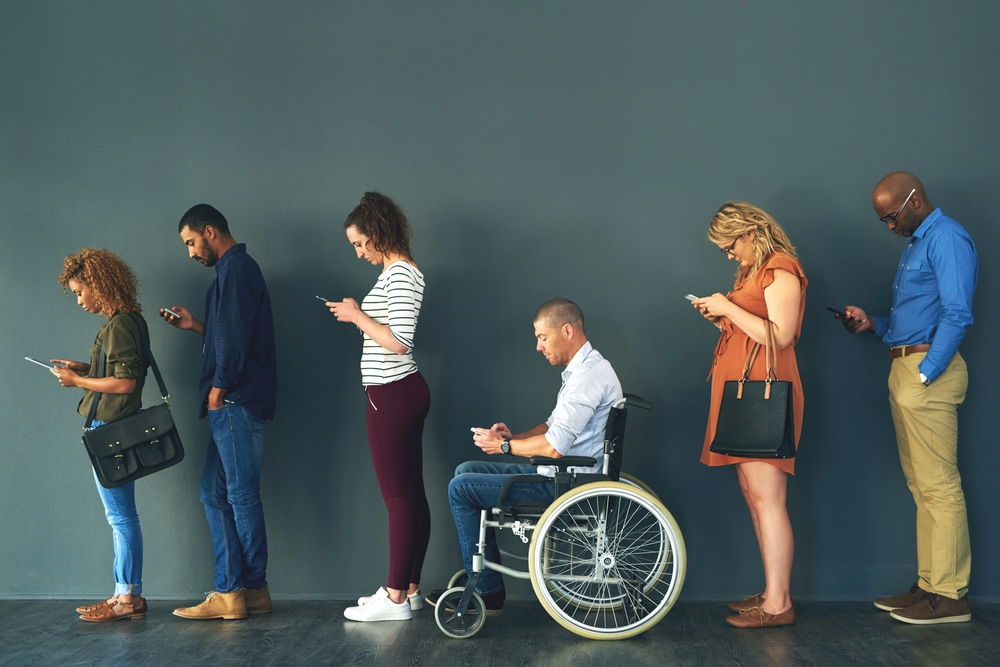
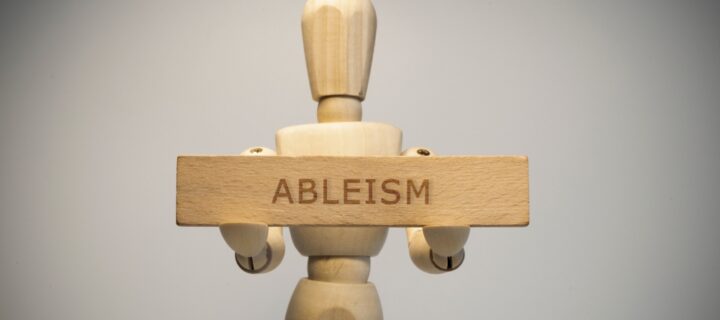
My personal experience with ableism from society is very widespread. What impacts and hurts me the most is how much society spreads the belief that there are only certain jobs people with intellectual disabilities can do, like working at a grocery store, retail, or janitorial work. The society I have grown up with has often made me feel like an alien and unnatural. Ableism is the discrimination against people with dyslexia, language disorders, Tourette syndrome, autism, and other disabilities. Ableist people believe their actions are fair, and they are quick to be unwelcoming to anyone who has a disability.
I experienced this firsthand while scrolling on social media, where I found a creator who makes supportive content for the disability community. In one video, she talked about a horrible post from a woman online who wrote, “If you rely on someone for care constantly, you are a burden on them, get used to it, and learn to be more thankful.” The creator and I both reacted in shock at how discriminatory that is.
When discussing this with others, one interviewee told me, “Discrimination against people with disabilities is wrong and not good, it makes us feel very upset.” Overall, ableism in today’s society is harming people in all parts of the world, and it is absolutely crucial that society changes.
Like journalism like this? Consider becoming a sustaining supporter — and get our print edition delivered to your home each month.
Democracy needs journalism more than ever. For 25 years, we’ve told the truth — your support helps us keep doing it for the next four and beyond. Administrations come and go. Our team stays ready to lead, no matter who’s in charge.