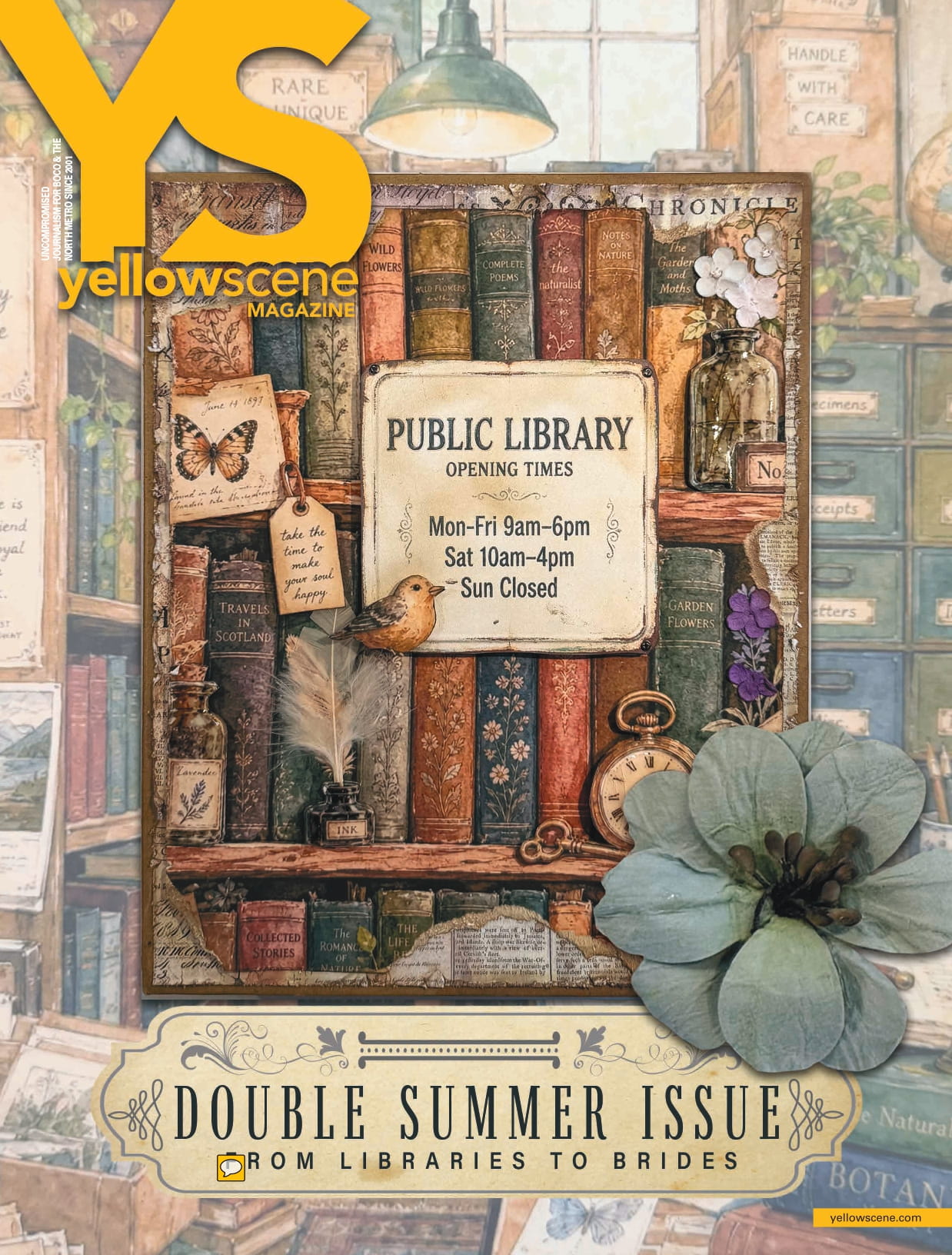



In many communities, bookstores are back in a big way. But they’ve taken on a new purpose. They have become not just a place to pick up a new story or discover a new favorite author but, in tumultuous times, they have become safe spaces and community centers. The same goes for our libraries. They are also places where you can find heroes on and off the page. This month we explore our literary community, in the fullest sense of the word.
Local Heroes: Librarians Make the Difference
By Becca Tabb
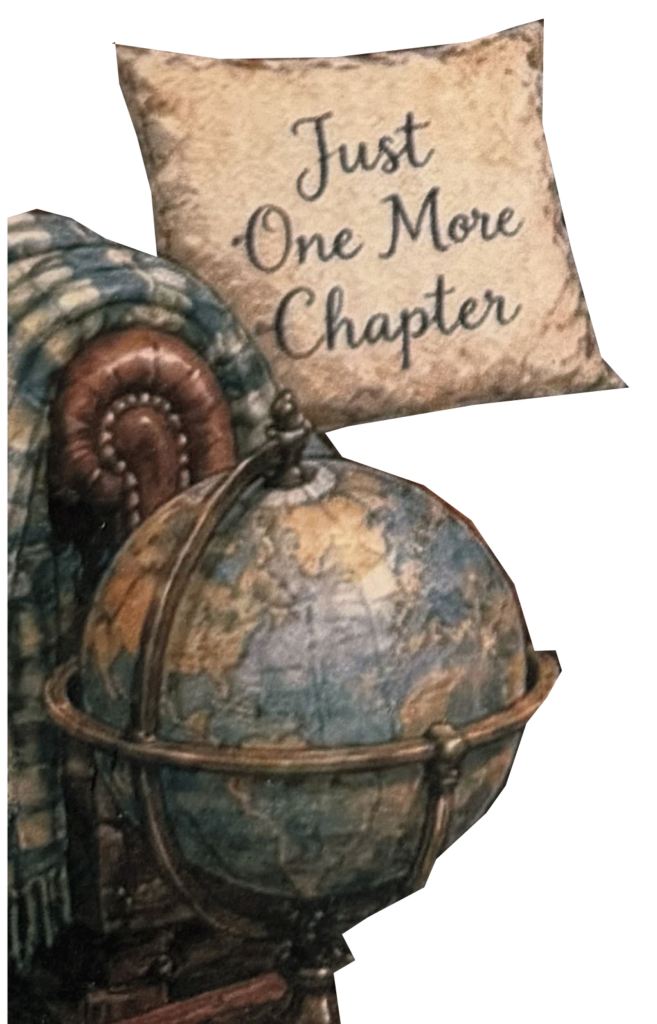
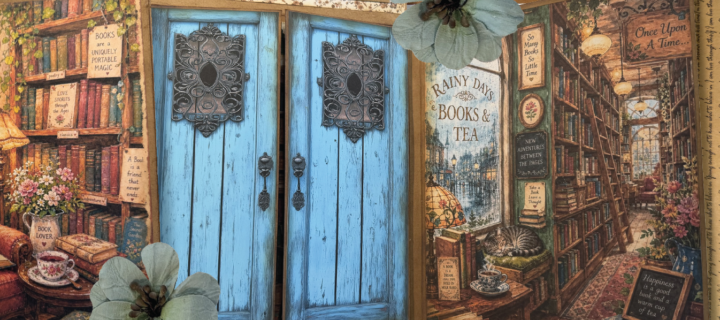
Book Art courtesy of: The Tilted Brick, Longmont CO
On a Tuesday afternoon at the Main Library in Boulder, a long line of people gather by the Help Desk. Tables of hand-picked books scatter neatly along the floor of the library’s main entrance. People escape the unseasonable heat in chairs that overlook Boulder Creek as a water feature under the stairs churns a soothing sound. But what welcomes people here is not the building, or even the creek it straddles. It’s the people who tend to it.
Upstairs in the Kids & Family section, Alice Eccles grins with excitement as she tells me about a new dinosaur puzzle. Having put the puzzle out just that morning, she wasn’t sure it would be a hit. She was overjoyed to see the kids immediately arranging the pieces.
Eccles has long grey hair and a warm smile. She graduated with her MLS degree in 2003 and has worked for the Boulder Public Library District ever since. “This is the library that I came to as a child, she says.” Eccles is a Youth Services Specialist, and she loves her job. One of the best parts of working at the library, she says, is helping kids follow their passions.
With the average K-12 class size in Colorado sitting just under 19 students, public and private school teachers are unlikely to have the time and resources necessary to provide individualized curricula for each student. Librarians, on the other hand, can take the child’s lead.
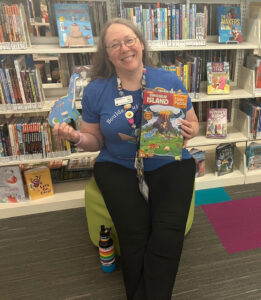
Photos provided by Becca Tabb
Whether it’s finding books for a school project or helping someone pursue a passion for graphic novels, Eccles sees free access to information as a huge part of her job. “A very large percentage of what they want,” Eccles says, “we can get it for them.” And it’s not only kids who benefit.
Among a smorgasbord of public programs, Eccles and other Youth Services Specialists participate in Storytime. “[It’s] partly for the children, the babies, the toddlers, but also… grown-ups.” Eccles understands that part of her purpose is to “show ways that the grown-ups can use what they see in Storytime at home.” In this way, the impact of a library’s employees is much bigger than the places they serve.
“Bigger than Boulder”
Eccles admits she can’t have an agenda at a public-serving institution. But she is passionate about inclusion, and she wants people to know the world is bigger than Boulder. As a rule, she says, “I include books that are outside my own experience.” By reading a book by a new author of color at Storytime or highlighting the Hello Kitty collection, Eccles shows that a library can reflect the world’s richness. She’s not alone.
Darla Okada, a Library Specialist at the Main Library and the Gunbarrel Library, says that reading books “literally opens up your access to what the rest of the world is imagining.”
Okada believes the heart of her role lies in opening doors. Being a librarian, “You know that you’re helping people for the greater good,” she says, “providing a service that’s so important: access to information.” Whether it’s troubleshooting the printer for a patron or helping them research a newfound interest, people trust librarians, Okada says. “Good librarians want to share.”
Increasing access
Just east down Arapaho Rd. in Lafayette, a tight cluster of neighborhoods shares books through a different kind of library–a Little Free Library. Annabel Stewart was a Girl Scout 10 or 11 years ago when their troop needed a community service project. They decided to build a Little Free Library, and Stewart’s parents had the perfect spot.
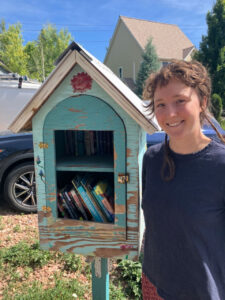
Photos provided by Becca Tabb
Stewart’s Little Free Library is a modest two-shelf house on a wooden post. The building is well-loved, with a roof that seems almost brand new. The outside is painted light blue with pink and purple flowers. The door has a large square hole in the center for glass, though there is none. Even though you can reach through the hole for books, people gently open the door anyway. The culture of sharing around Little Free Libraries commands respect.
“I always liked [little free] libraries,” Stewart says. “I love looking in them on walks, even if I don’t pick anything up.” Stewart was a voracious reader growing up. “I would sneak the flashlight under the covers at night and read really late until I got in trouble,” they laugh. Even at school, Stewart was caught red-handed reading a book under their desk. “I still love it,” they say.
“There’s something really cool about complete access [to books],” Stewart says. With a Little Free Library, “You don’t need an adult to enter the building … You can just go for a walk around your own neighborhood and have complete authority over what you’re taking out and what you’re dropping off.”
According to a study of book-impoverished communities in Publishers’ Weekly, libraries like Stewart’s increase kids’ access to books by 92%. Despite working for the public library, Okada loves Little Free Libraries for exactly this reason. “It shows that the community loves the library. They love reading.”
At the public library, Eccles and Okada work hard to remove access barriers when possible. Staff use broad, inclusive language to address grown-ups and host bilingual programs. “The more we’re showing the breadth of human variety,” Eccles says, “the more people are able to accept … that [someone] is different.” “Libraries are a center for culture,” Okada adds.
Stewart’s library doesn’t have the wealth of options that the county’s public libraries work hard to provide. Its shelves reflect what the neighborhood is, or was, going through. “There’s often a lot of maternity books and self-help books,” Stewart says. ”You kind of have to parse through the books nobody wants to read.” But it doesn’t matter, “Someone will pick it up.”
“The heart of the community”
“I’ve always considered libraries to be the heart of the community,” Okada says. What makes a library a library, she argues, “[is the] mixture of the people in the community, and then the folks that are so passionate about helping their community that they work for a library.” Even if a library does rely on its patrons, its heart is fueled by its librarians.
The café across from the Kids & Family section at Boulder’s Main Library hosts a quote from Toni Morrison that reads: “Libraries are essential to communities and no other place comes close.”
A staple of Boulder County libraries is their rich communities. Okada believes that community means many things. “The one you live in,” she begins, “and the rest of the world. Libraries give you access to that.”
And more vital, it seems, are the librarians who make the presence of books not only fun, but possible.
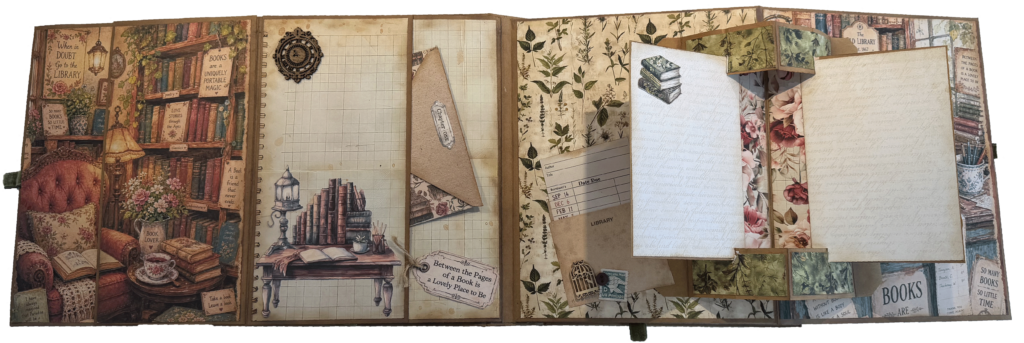
Book Art courtesy of: The Tilted Brick, Longmont CO
Your Great Local Bookstore
By Austin Herber
“Print media is over.” You have probably heard some sort of iteration of this sentiment over the last two decades. Around 2012, printed book sales fell to a record low. Borders, who if you don’t remember was one of the largest national chains of booksellers, ceased to exist in 2011. Independent bookstores, backbones of local communities, similarly reached an all-time low during this period but E-Books nearly tripled in sales and seemed destined to make books and bookstores a relic of the past.
Yet not every local bookseller saw doom in those numbers. When Borders closed its door in Longmont some saw an opportunity. “We had to meet the demand for new books,” says Kathie Heinecken, owner of Barbed Wire Books. Heinecken notes that “one has to adapt” to any change in the book market, “I see myself as the holder of a huge responsibility – to keep this place as special as it is, as varied, and at the same time unique, and to meet the changing needs of this region.”
Hienecken has always been passionate about books. Her first job at the age of 14 was working at a bookstore. When asked why she wanted to open a bookstore in 2009 Hienecken told us, “I wanted to do something important, that would support me and several others and that would be a boon to Longmont.”

Book Art courtesy of: The Tilted Brick, Longmont CO
Likewise, Barrie Kenyon, Children’s Book Buyer and Local Author Consignment Program Coordinator, who started working at the Boulder Book Store in 2010 was not afraid of the change, “I don’t think print media is going away. There have always been ups and downs.” The Boulder Book Store has been around since 1973 and aims to be, in the words of Kenyon, “A place for everyone. A book for everyone.” Kenyon enjoys working at the Boulder book store because it has become an institution of the town, “it is an important part of the community.”
Cathy Dillie used to work at The Bookworm as a teenager. The store was opened in 1984 by her mother Linda Peashka. After Peashka decided to retire it was obvious that Dillie was going to take over Boulder’s largest used bookstore. Dillie recorded no decline in sales during the print recession, “I think the only drop in sales was during COVID.” But now, sales are up. People have returned back to shop at independent bookstores.
“It just feels strange”
“The report of my death has been greatly exaggerated,” Mark Twain once said after responding to reports that he died. The same sentiment applies to books and independent bookstores.
Since the decline in 2012, sales of printed books have gone up nearly 200 million reaching a peak in 2021 at 826 million units sold while E-Book sales have actually declined. There are now more purchases of print books than E-Books.
Korey Williams, who shops at Barbed Wire Books and the Boulder Book Store, expressed his preference for actual books, “There is something about the tactile experience of holding a book, the smell of it, unplugging from technology, and losing oneself in a good story.” And while E-Books are new, physical books are a timeless tradition. Books are more durable than the digital format, says Thora Brylowe, Associate Professor of English at the University of Colorado Boulder. “Websites disappear. Links break. Software becomes obsolete.” Books, Bryelowe says, do not have this problem, “I have books on my shelves that are hundreds of years old. I think physical books are likely to remain important even if digital formats continue to grow.”
Dillie has never read an e-book and never will. “Whenever I go into someone’s home and they don’t have books it just feels strange.”
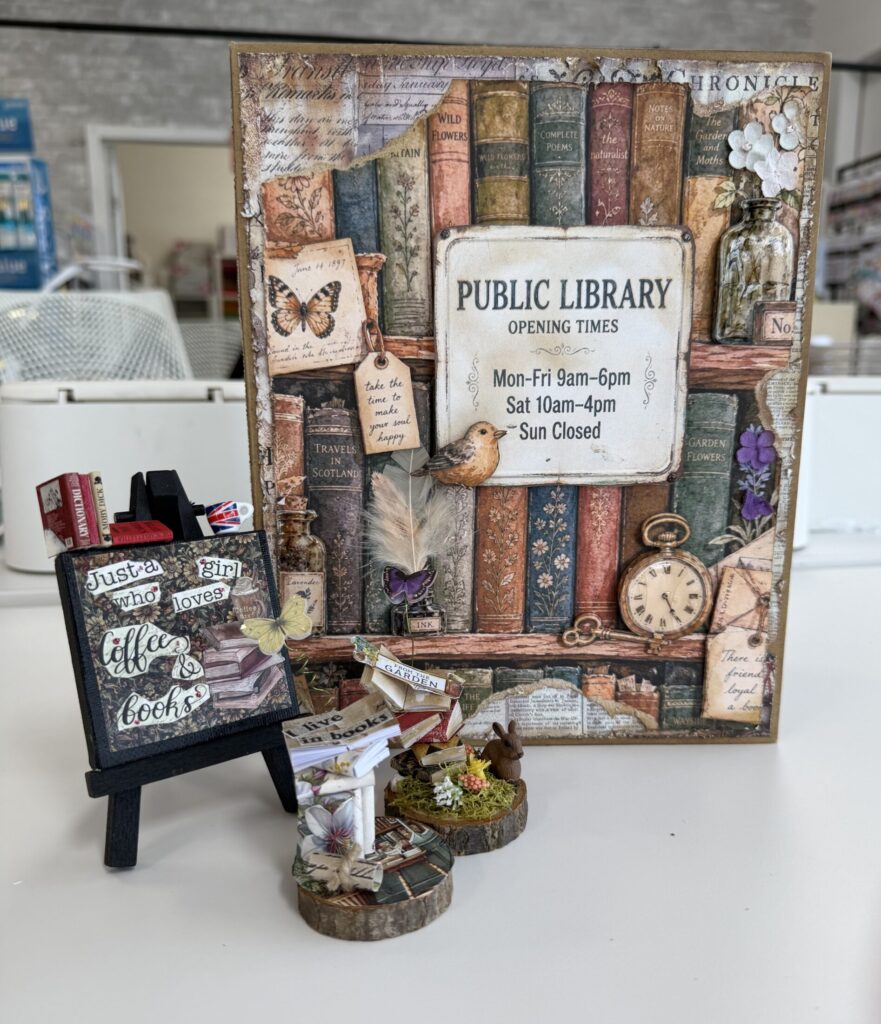
Book Art courtesy of: The Tilted Brick, Longmont CO
A new boom
The return of printed books is no small part to the reemergence of the independent bookstore. There are now 70% more independent bookstores across the country than there were five years ago.
People enjoy walking into a physical space surrounded by literature. Kenyon believes that the ability for patrons to wander and be surprised is a key feature of the business’s continued success saying “Shopping for a book in person and reading a physical book is an experience. You are more likely to find something you may not have come across online.”
Dillie wants customers to find something unexpected. “A book cover catches your eye, and suddenly you’re interested in something you never planned to read.” Sometimes the surprise is what’s inside the book itself.
One patron, Don Mac, recounts one such experience at The Bookworm. “You get insight into Boulder’s history by reading notes written in the margins of the books or other tokens they have left behind. For example, I found a college report card from the 1950s in a copy of Stendhal.”
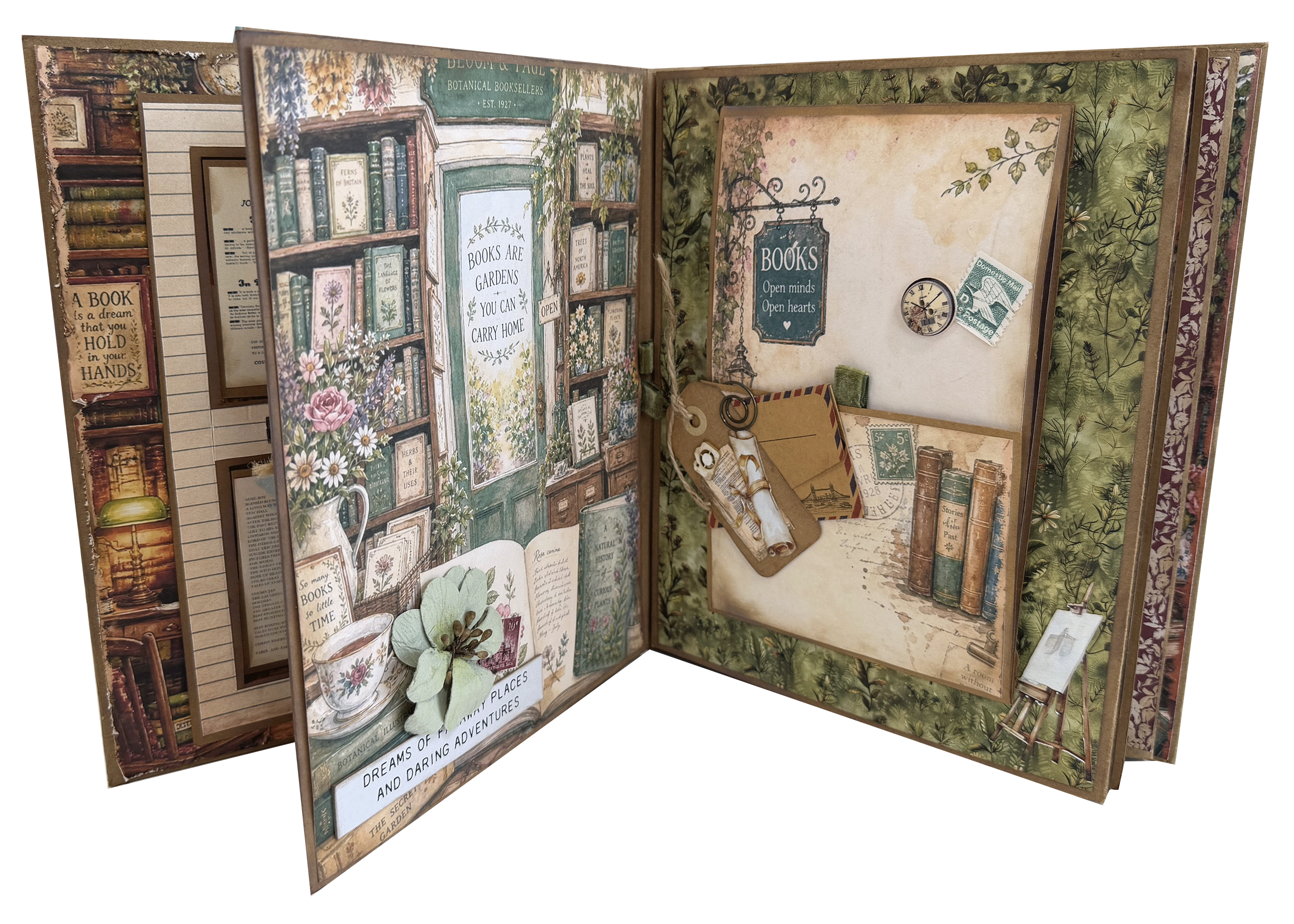
Book Art courtesy of: The Tilted Brick, Longmont CO
Is it possible that people favor the finite space of physical bookstores as a way to alleviate themselves from the infinite nature of digital media? Bryelow notes that such anxiety is not new, “In the eighteenth century, people were already complaining that there was too much print to keep up with. Even earlier than that, we see similar concerns in ancient sources. That said, I can absolutely imagine that people find comfort in spaces that don’t feel infinite.”
Kenyon disagrees, saying that patrons are “overwhelmed when they come in and yet they are surprised if we don’t have the exact title they are looking for.” Heinecken commented that “While unlimited choices can make ‘choosing’ difficult, I think the advantage lies more in knowing (seeing, feeling) what you are actually buying.”
The keepers of the keys
Knowing what you’re buying often comes down to one more thing: the people behind the counter. Hienecken emphasized that her store provides “Customer service in the form of knowledge of books, knowledge of our patrons, knowledge of trends, and a place to sit!”
These bookstores continue to serve our community and have created a family of readers. Despite the predictions that books would become passe, people still prefer them and adore the shops that curate, trade, and sell them.
Bryelow predicts that technology will one day become integrated with our bodies, “something closer to virtual reality or wearable computing.” But she believes the positive trend of print media will endure.
“It’s worth remembering that we’ve really only had two major ways of organizing information for a very long time: the scroll and the codex. People still like pages.”
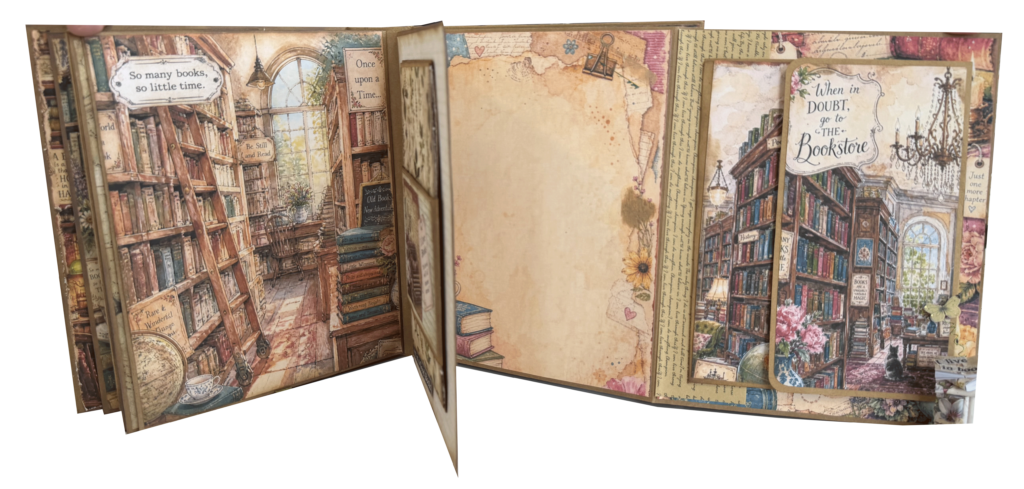
Much Thanks to The Tilted Brick for providing the book art!
Yellow Scene’s 2026 Summer Support Drive is underway with a goal of 1,000 Sustaining Supporters by summer’s end.
For 26 years, we have remained fiercely independent, free from sponsored content and outside editorial influence.
Reader-driven support keeps local journalism unbossed, unbought, and our journalists fed. Become a sustaining supporter for $8/month and get Yellow Scene delivered to your home.
Join the Summer Support Drive and keep local journalism strong.