




The picturesque red barn stands in contrast to the Flatirons and snowy peaks in the backdrop. Blocked by a major road to the north, fields spread out towards housing developments. Happy dogs run while barking, chickens cluck, and two sweet donkeys look onward. Theresa Schuller, prior to buying this Boulder County urban farm, had worked in agriculture education. She knew how to run a business, work the land, and care for animals. A hard worker, she has leaned into the challenges of keeping the farm afloat, but it has not protected her from the many trials that face Colorado farms and ranches.
For those who work the land, Colorado’s unique and varying climate offers benefits like sunshine and a longer growing season as well as challenges such as warm temperatures and arid conditions. Furthermore, an increase in the cost of living and land prices in Colorado has made it more difficult for farmers and ranchers to afford to grow their operations. Regardless of the hardships, those who work the land continue to adapt, finding new and creative ways to make money and engage with the consumer. Not all of the responsibility falls to the agriculturists — local government and the consumer are also taking on active roles to save the spirit of the American West.
Why Colorado flourishes
Both those who are indigenous to the land and those who originally settled in Colorado have cultivated resilience, thanks to the extreme terrain and weather. There is evidence that the ancestral people throughout the state adapted to the land and what it had to offer, foraging a wide variety of plants and roots for a diverse diet. While settlers came to Colorado for mining in the mid-nineteenth century, the Puebloan people had been using irrigation techniques to work the land for centuries.
As frontiersmen came to the state in search of precious metals and new opportunities, they became more desperate for food. In 1870, territorial governor Samuel Elbert told legislation, “You cannot work your mines profitable on imported bread. The thousands who now and will hereafter delve in these mountains and lift their glittering treasures to the sunlight must draw their sustenance from the fertile valleys that lie enveloped in their arms and stretch away from their feet.” This quote and movement demonstrate the growth of two major Colorado industries, which are still flourishing: mining and agriculture.
With a long history as an agricultural state, many of the generationally owned farms and ranches have found longtime success. Dawn Thilmany, agricultural economist and professor at Colorado State University, explains how the state’s environmental diversity has made it a place of prosperity historically. “We are a very unique agricultural state and the fact that the eastern side of our state looks a lot like the Midwest with lots of grain production supplies hot production [plants that can grow in extreme heat], and most recently in the last two decades, a lot of dairy production which mostly supports cheese for pizzas.”
Thilmany goes on to explain that the high-elevation mountainous zones and expansive public land have been the reason we’ve been a big player in the cattle and lamb industries for a long time. She goes on to mention the Western Slope and the West Coast-like climate are perfect for the abundant fruit trees.
Today, Colorado ranks in the top ten nationwide in several production areas, including cattle, potatoes, alfalfa, apples, peaches, onions, grapes, and even lemons. It is also the number one producer of proso millet, which is used in gluten-free products, beer production, and livestock feeding.
Obstacles in agriculture and how they are being addressed
Despite Colorado being a top producer in many areas, obstacles and hardships such as drought, land cost, water rights, and consumerism have all made it difficult for local farms and ranches to thrive.
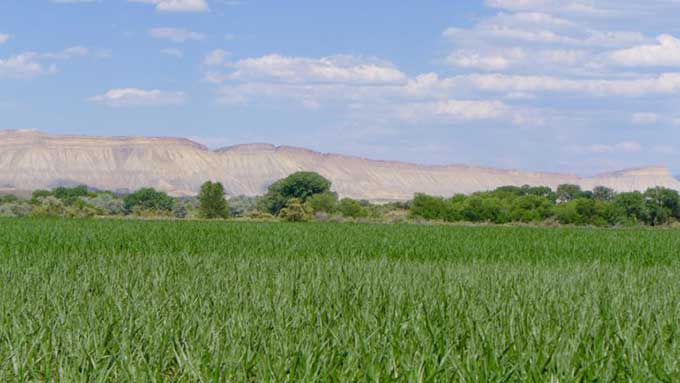
This irrigated field in the Grand Valley is made green with Colorado River water. Upper Colorado River basin officials are restarting a program that could pay irrigators to conserve water. Photo courtesy of Aspen Journalism.
Problem: Water and climate change
Historically, the hardships faced by farmers and ranchers were taken for granted. The harsh and arid climate, while nurturing, also needed substantial work. According to the book “Adapting to the Land: A History of Agriculture in Colorado,” when the first agricultural settlement was founded in Greeley, it was referred to as The Great American Desert. Irrigation and water recirculation were crucial to keep plants thriving. However, drought and water rights laws have complicated this process.
According to the Statewide Water Supply Initiative, 89% of water in the state of Colorado is used in agriculture. Even with this high use, only 80% of the demand is met, meaning many farms and ranches cannot irrigate all of their commodities thoroughly. Water rights in Colorado is a complicated topic, but it is essential to know that less than 40% of the water that originates in Colorado is allocated to the state.
Water, or the lack thereof, has always been an issue in Colorado and only adds to the pressures of climate change. Like so many industries, agriculture is directly tied to the increase of greenhouse gases. However, unlike many industries, climate change directly and negatively impacts farmers’ and ranchers’ livelihood. Decreasing snowpack, warmer and drier seasons, and the constantly evolving growing season are making it harder for farms and ranches to continue to grow or raise livestock as they have done historically.
Solution: Water conservation
While it might be difficult for golf enthusiasts or those with well-manicured lawns to accept water restrictions, it is even more unreasonable for agriculture to cut down on water usage. According to Water Education Colorado, agriculture is one of the biggest industries in the state, employing 195,000 people and generating $47 billion in economic activity annually.
There are numerous strategies that farms and ranches can employ to conserve water, including:
-
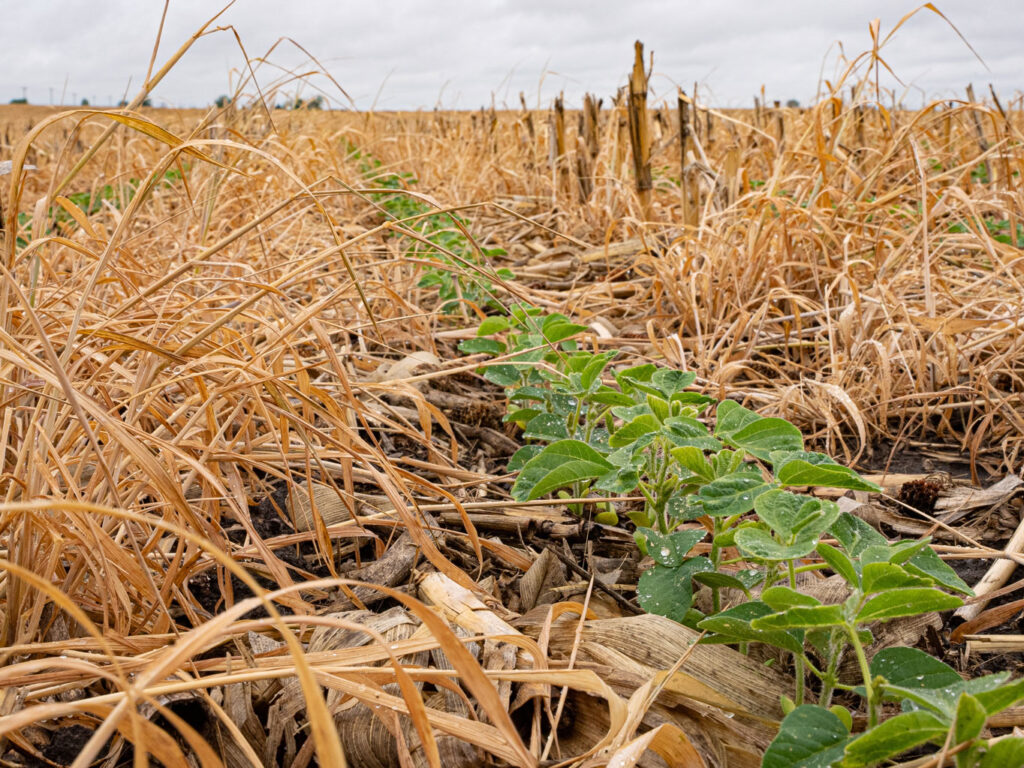
- Regenerative agriculture: Engaging in practices such as no-till agriculture, diverse crop rotation, and grazing rotations to allow the land to rest and encourage regeneration of the soil to increase nutrients.
- Upgrading agricultural infrastructure and operations: Using up-to-date agriculture technology research and programs to streamline water use, which includes monitoring irrigation gauges, checking soil for changes, and using newer tools to prevent water loss.
- Crop shifting: Switching to less water-dependent crops that grow better in the arid climate.
- Voluntary and temporary fallow: A deliberate practice to allow land to rest and recover for at least one season. This will help restore some waterways and create more ecological diversity, helping pollinators and plants alike.
Unfortunately, none of these solutions is extremely affordable. Currently, federal grants through the Water-Saving Commodities Program are designed to help farms and ranches prioritize conservation without the risk of losing income or their livelihood.
Problem: Land costs
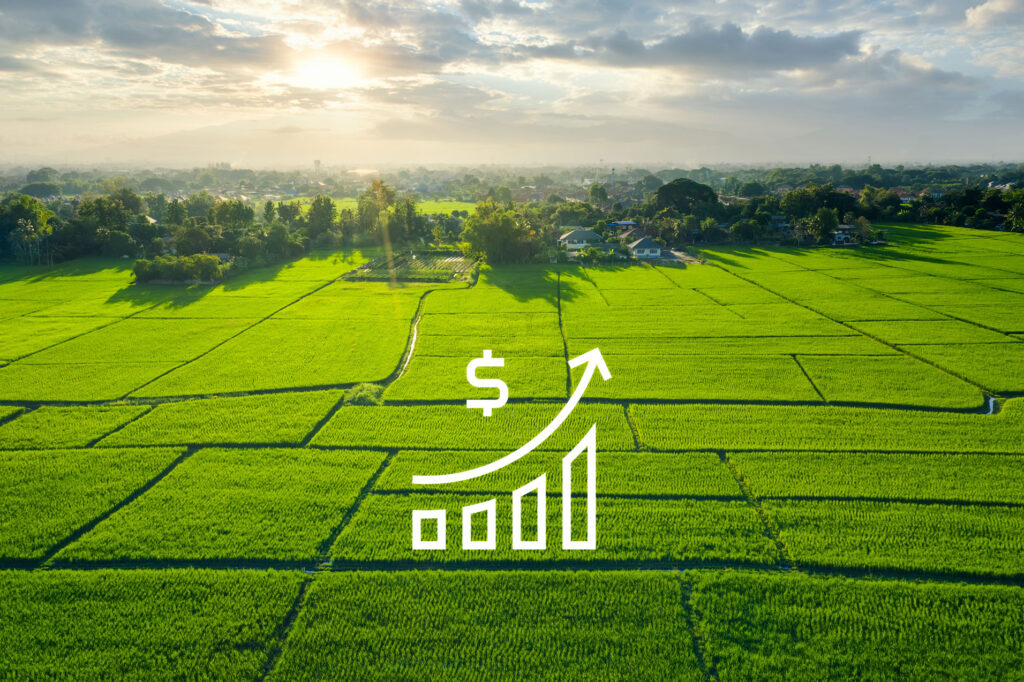
Cost per acre has gradually increased since 2004, going from $891 to $2,610 per acre in 2023. The average size of a farm in Colorado is 818 square acres, making the purchase of land for a new or growing farm a serious investment. Even for already-existing farms, the increased land costs also increase property taxes.
With Colorado becoming a popular place to live in the past few years, available land decreases as the development of new homes increases, resulting in greater demand. This can incentivize land owners to sell to developers and diminish the existing farms in return for a lucrative payday.
Danielle Trotta, the Colorado Proud program manager, explains that this has put many long-time farmers and ranchers in the difficult position of being under-employed. “Many farmers and ranchers need to find jobs and employment elsewhere because they are seeing less of that dollar.” She explains that many who are not looking for part-time employment outside of their farm or ranch are looking for ways to diversify their income.
Solution: Diversifying revenue and making the most of the land
Many farms and ranches are getting creative in how they make money, leaning into tourism and engaging the local economy. Shuller, who runs her small farm in Boulder, has found that leaning into community service can be a symbiotic relationship.
I have had CSU classes come here as part of their programming. I have a solar corporation locally that has its employees come and volunteer here as part of its community program. We have farm dinners here where people can come and have a meal that’s farm to table, where they can eat local food and enjoy the farm. We grow and sell food to the school food program for children’s lunches, as well as host the school district kitchen staff, so they can learn about one of the farms that produce their food. We hosted a benefit for People and Pollinators Action Network, which is a nonprofit that supports policy and community around pollinators.
On top of these community-based events, Shuller also hosts weddings and company events in the rustic and historic barn, giving people a unique opportunity to celebrate on a working farm. While there are many opportunities, resources are not readily available for farmers to find these creative solutions, meaning those with business savvy are more likely to flourish.
Solution: Government programs and grants
Even if finding ways to make the most of the expensive land, a farm or ranch might still need assistance in starting or expanding. Trotta explains, “Land in Colorado is a super rare commodity, especially up on the Front Range with urbanization. And so there are some programs that that department supports.” She goes on to say that whether it’s a first-time farmer or rancher who needs help getting started, an agriculturist who is looking to scale up, or farmers and ranchers who are looking to hire interns or employees, the goal is to make the farmer or rancher successful in either staying on their land or growing their land size if desired.
Problem: Bigbox stores
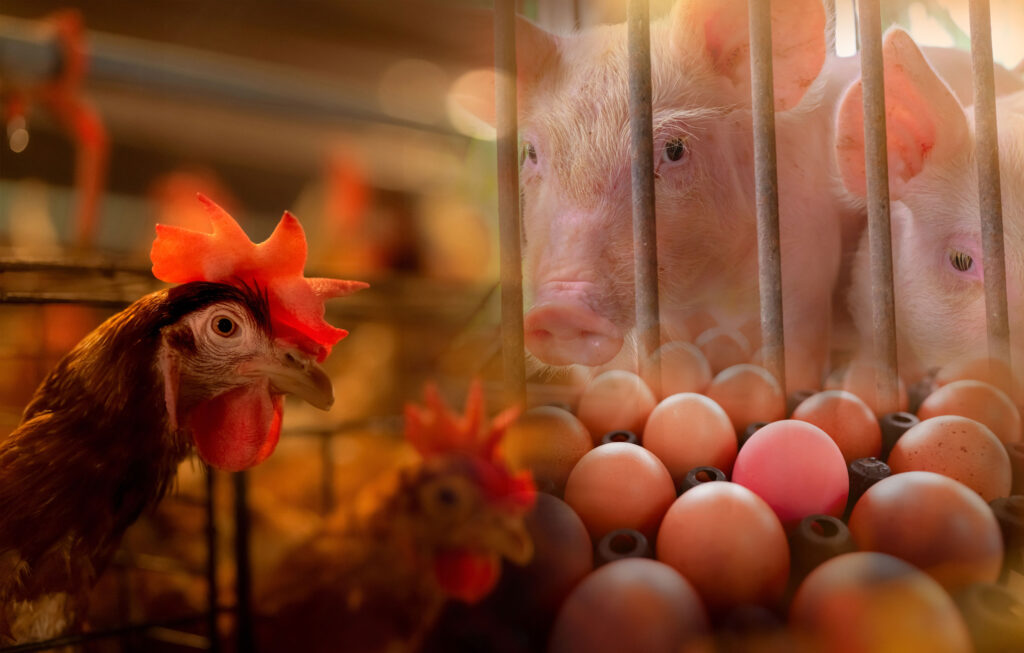
With inflation, the affordability of food is a significant stress, not just to farmers and ranchers but also to the average consumer. Thilmany explains, “Farms are competing with very, very big retail food stores.?Finding a Walmart, Safeway, or Costco is easy, but it will be pretty hard to find local products there.”
While the average local farmer or rancher, also dealing with inflation, has to face the costs of tools, fertilizer, and feed, they are also trying to turn a profit, causing them to increase their prices. Big-box stores employ buyers, whose job is to find the cheapest solution, though it is not always the most environmentally sound.
In a recent Colorado Attitudes Survey completed by the Colorado Department of Agriculture, 73% of the 1,100 households questioned believed that local farms and ranches were crucial to the economic resilience of the state. Furthermore, 79% of those households believed that the existence of farms and ranches increased their quality of life living in Colorado. Furthering this, 60% of respondents stated that food being locally grown or raised influenced their purchasing decisions, meaning, if given the option, consumers would lean local.
Solution: Consumer-to-production relations
Trotta emphasizes the idea that buying local not only helps the farm or ranch but is also empowering to the individual and the community. “Building your community and your backyard with your food dollars and how you spend them is just a great way that everyone can feel like they’re making a difference.” She goes on to explain that using the Colorado Proud webpage can be a resourceful way to find what is in your area. “It will give you a list of farms, ranches, roadside stands, and agritourism.” Also recommended is the Facebook Group Shop Colorado Farms, which helps people find meat, dairy, veggies, and other homegrown products in their area.
Those who want to depend less on technology can use the farmer’s market season to build relationships with local growers and raisers and learn how to support their business. Thilmany recommends allocating a certain percentage of a monthly food budget to local use, acknowledging food is expensive, but it is crucial for our economy to flourish.
Solution: Increased local products sold in grocery stores
Taking the load off of the consumer and the rancher to connect directly, there is also the option for more prominent grocery to support local food production. Beyond helping the individual consumer find local farms and ranches, Colorado Proud also works to market and increase sales of state-produced products in box grocery stores. While the food might still be slightly more expensive, it has cut out the mental load of finding the product. Continuing to buy these products will encourage grocery stores to keep them in supply.
Agriculture is something that Coloradans should be proud of — the state sources an array of food and beverages that have notoriety nationwide. However, the responsibility of protecting the industry does not just fall on the shoulders of farmers and ranchers. It is up to the government and consumers to work together to support programs and incentives that encourage conservation while financially aiding food production. From peaches to pollinators, cattle to corn, our land is worth protecting.