



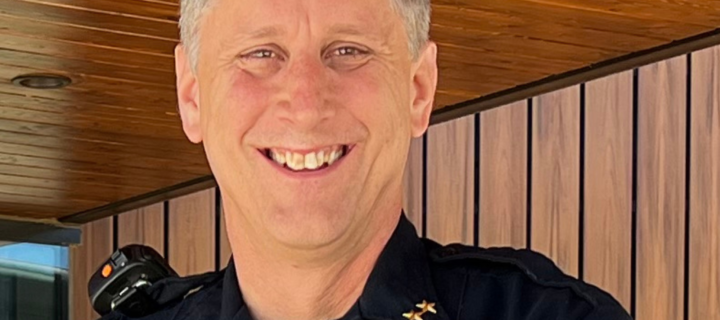

In Erie, a town safer than nearly half of U.S. cities, Chief Lee Mathis has made community unity the cornerstone of policing. For him, trust between residents and officers isn’t optional; it’s essential.
And he believes that trust has to be built every day. “I’m a big proponent of telling folks, hey, this is your police department. What would you like to see from us?” Mathis said. His approach asks residents to see officers as both authority figures and neighbors.
Transparency is the other half of the equation. Erie officers, Mathis explained, were wearing body cameras long before Colorado required them. In 2016, seven years ahead of the statewide mandate, the department equipped every officer. “It was something that we felt was important for transparency and for officer accountability,” Mathis said.
Mathis’s enthusiasm comes through when he talks about the Community Police Academy, a program designed to pull back the curtain on police work. He encourages officers participating in the program as instructors to capitalize on the opportunity to spend time with the community. “Spending time with them [citizens] in a positive interaction, instead of just a negative—don’t just be out there writing tickets, find a time to have coffee with them,” he said.
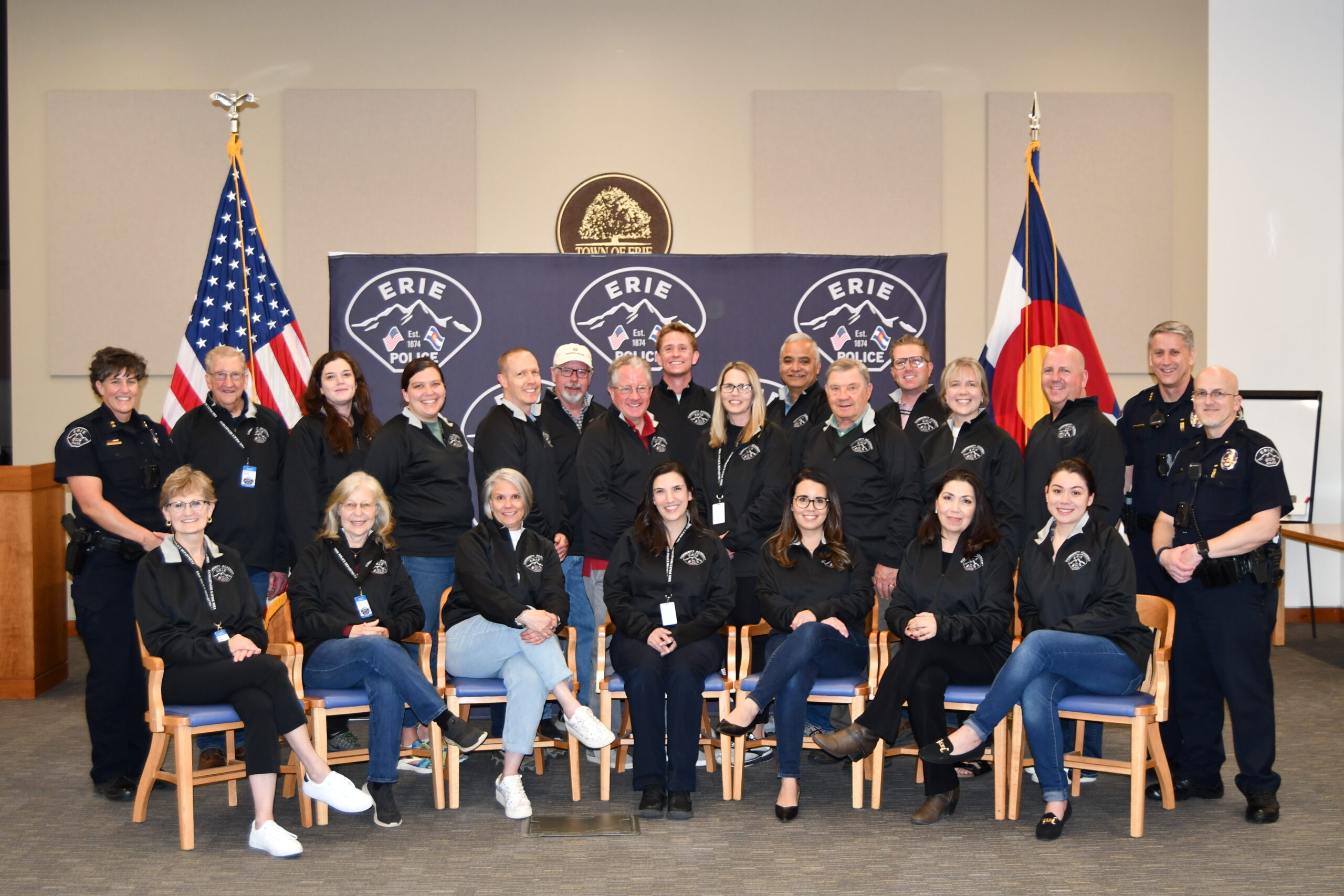
The academy, he added, lets residents see policing up close. “I think it’s a great opportunity for a smaller group of community members to get to know them a little better and hear from them how they do their job and why.”
Accountability, for Mathis, is just as important as transparency. With three decades in policing, 20 of them in Erie, he has learned that honesty and clear standards protect both officers and residents. “The biggest thing for avoiding lawsuits is trying to do the right thing, according to your department and community values, and then follow your directives,” he explained. Erie even publishes those directives online, so the public can see exactly what officers are held to.
Not every department takes that approach. “The goal is not necessarily not to be sued,” Mathis explained. “The goal is to do the right thing.”
That openness extends beyond policy. The Professional Standards Review Panel gives Erie residents a voice in internal affairs decisions. “We feel like we have a good interaction with the community as far as how we’re disciplining and holding officers accountable,” Mathis said.
He’s quick to note that the department’s progress isn’t his alone. Town Manager Malcolm Flemming pushed for expanded anti-bias and de-escalation training, which remains a regular part of the schedule. According to him, that training has been key to the success of the department.
For Mathis, the future of Erie policing lies in keeping that loop of trust alive—listening, adjusting, and staying visible in the community. His philosophy is simple but firm: accountability and service come first, and everything else follows.
“It’s my responsibility to make sure that these officers and the people working for the police department have what they need to do a very difficult job the right way,” he said.
In a town where residents are invited not just to observe policing but to shape it, Mathis hopes the department will continue to be seen less as an outside authority and more as part of the fabric of Erie itself.

Democracy needs journalism more than ever. We’ve been telling the truth for 24 years. Your support helps us keep telling it for at least the next four years.