






Recently, the City of Boulder moved to narrow the scope of the Police Oversight Panel’s work, a decision that has drawn pushback from panel members and residents who say it weakens civilian oversight of police misconduct, particularly in cases involving use of force and allegations of discrimination.
Under the change, the police monitor, not the 11-member civilian panel, now has greater authority to decide which misconduct complaints reach the panel for review. City officials say the shift is necessary to conserve limited resources and focus attention on the most serious cases. Panel members argue it reduces transparency and undercuts the panel’s original purpose.
When Boulder created the Police Oversight Panel, it was intended to increase accountability and public trust in policing by ensuring independent civilian review of internal investigations. That structure required the police monitor to summarize every misconduct complaint for the panel, allowing members to weigh in even when allegations were ultimately deemed unfounded. That process is now changing.
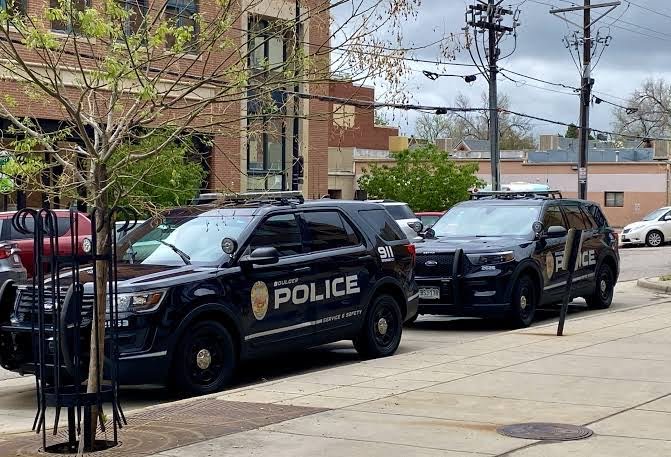
Under the new system, complaints are first reviewed by the police department’s Professional Standards Unit. The police monitor and the unit then jointly determine whether a complaint is unfounded or warrants further investigation. If both agree that a complaint is unfounded, it does not go to the panel at all. The Chief of Police retains final authority over disciplinary outcomes.
The panel’s mandate remains unchanged on paper. It is still required to review critical incidents involving serious bodily injury and to make recommendations on disciplinary actions following internal investigations. Those recommendations are forwarded to the city manager, city council, and the police chief. But panel members say the new screening process limits their ability to independently assess how misconduct complaints are handled, particularly in cases that may fall short of serious injury but still raise concerns about police behavior.
Police Monitor Sherry Daun outlined the updated process during a December meeting. After receiving a complaint, her office sends it to the Professional Standards Unit for a preliminary review. If the unit determines the officer’s actions were consistent with department policy, the case may be classified as unfounded or exonerated and never reach the panel. Further investigation only proceeds if the unit agrees it is warranted.
Daun said her role includes reviewing evidence, requesting additional materials when necessary, applying department rules, and drafting allegations and recommendations. She also certifies that investigations are fair and complete. While the panel can still review certain cases, the timing and scope of those referrals now rest largely with the monitor.
Before coming to Boulder, Daun worked as director of investigations for Chicago’s Civilian Office of Police Accountability, which operates under a fully investigative model. “We did the complete investigations,” she said during the meeting, describing a system where civilian investigators handled police misconduct cases from start to finish.
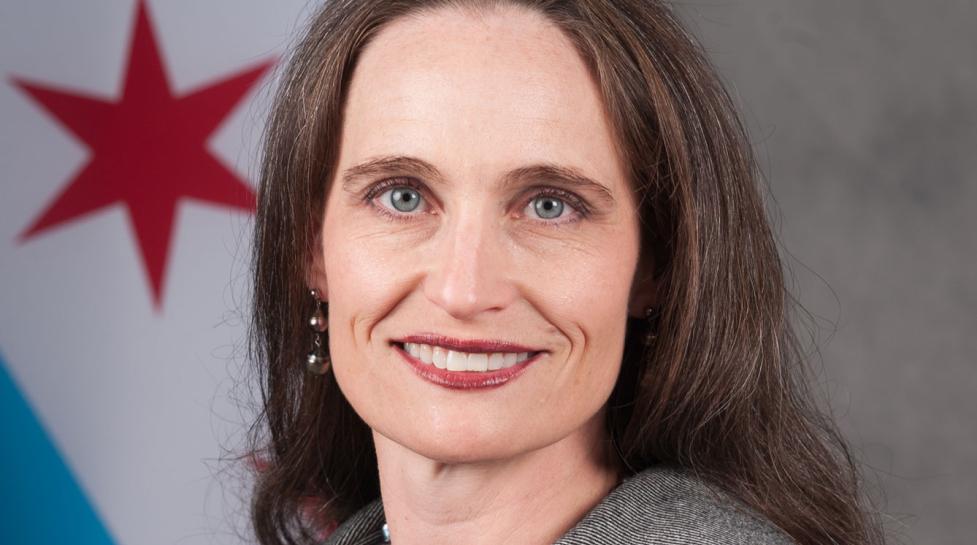
Sherry Daun Photo Courtesy of City
Daun explained that cases are typically classified as serious misconduct, misconduct investigations, community inquiries, community feedback, or unspecified incidents. Allegations are deemed unfounded when the officer did not commit the alleged act or was not involved, and exonerated when the officer’s actions are found to be lawful or justified under department policy.
Several panel members and residents raised concerns about relying on internal determinations to screen out complaints. They pointed to situations where officers may technically follow policy while still causing harm or eroding community trust. Others questioned the fairness of officers investigating fellow officers, arguing that even well-intentioned internal reviews can carry inherent bias.
Daun defended the change as a matter of efficiency and due process. “The city must not unduly extend investigations when there is sufficient evidence to determine that the officer’s actions were within policy,” she said, adding that the approach aligns with commitments to fairness for both officers and complainants.
Lizzie Friend, a co-chair of the Oversight Panel, suggested creating a clearer process for information sharing that preserves transparency without interfering in investigations. She called for more proactive data sharing and regular reporting so the panel can understand patterns and context, even when individual cases are screened out early.
Public comment during the meeting reflected deeper concerns about the city’s history with police accountability, particularly in cases involving people of color. Several speakers referenced the 2019 case of Zayd Atkinson, a Black Naropa University student who was repeatedly questioned by police outside his apartment while picking up trash. The incident drew national attention and played a central role in the creation of the Oversight Panel.
For many residents, that case exemplifies why broad civilian review matters. They warned that allowing complaints to be filtered out before reaching the panel risks repeating past failures and undermines the reason the panel exists at all.
During the December meeting, multiple community members warned that limiting the panel’s access to misconduct complaints could allow discriminatory or harmful behavior to go unexamined. Speakers said the new screening process shifts the panel’s role from independent oversight to a largely advisory function, reducing its ability to challenge internal police conclusions or identify broader patterns of misconduct.
“The panel needs to have full transparency and oversight to prevent cases of discrimination and police violence,” one community member said during public comment. “I believe that the panel needs to be empowered to do their job and not have new processes prevent that”
As the city moves forward with the new policy, panel members have called for stronger transparency measures to ensure civilian oversight remains more than symbolic, and that complaints, particularly those involving use of force or discrimination, do not disappear behind closed doors.
Like journalism like this? Consider becoming a sustaining supporter — and get our print edition delivered to your home each month.
Democracy needs journalism more than ever. For 25 years, we’ve told the truth — your support helps us keep doing it for the next four and beyond. Administrations come and go. Our team stays, ready to lead no matter who’s in charge.