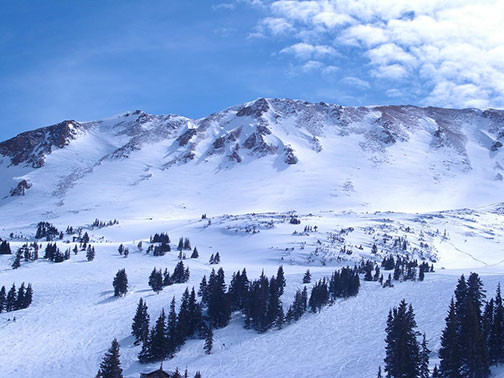




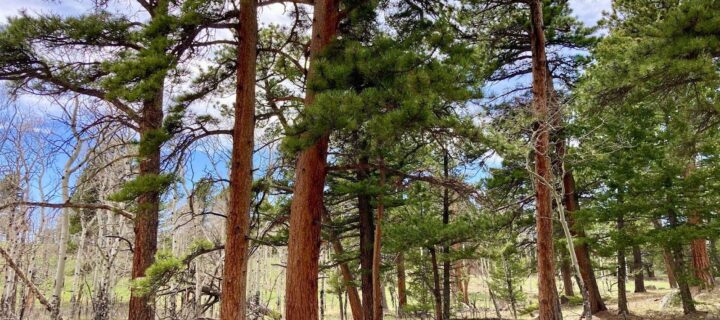

Just beyond Nederland, pine forests climb the slopes along Middle Boulder Creek. There, a new wildfire mitigation effort is tackling one of the county’s most contested questions: how to keep both communities and ecosystems safe in an age of escalating wildfire.
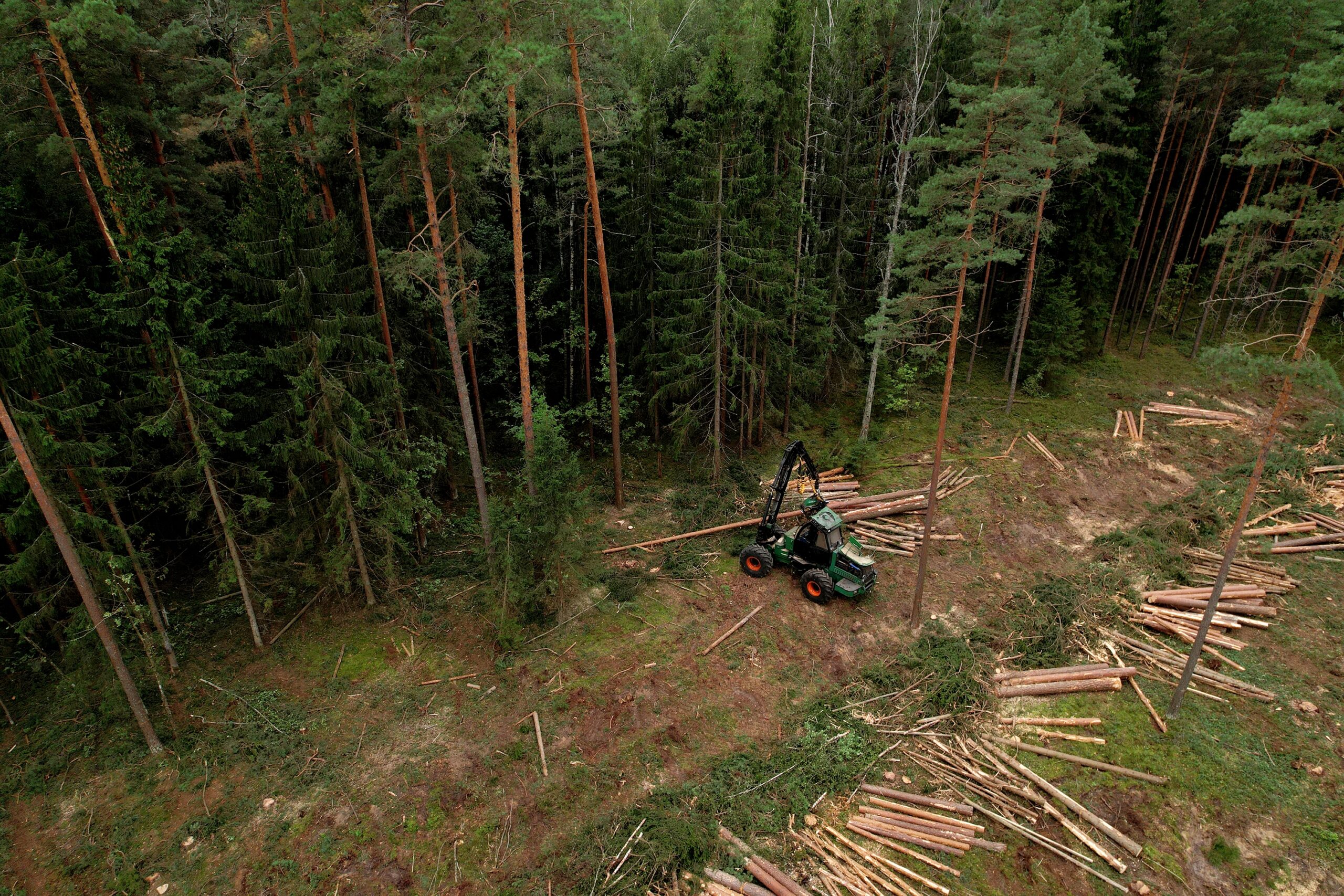
Supported by Boulder County Parks & Open Space, the Boulder Watershed Collective, Wildfire Partners, and private landowners, the Middle Boulder Creek Fuels Reduction Project aims to thin dense forests, reduce fuel loads, and protect communities and water supplies from catastrophic wildfire.
“It’s not just a forestry project — it’s also about being a good neighbor,” said Michael Agena, forestry specialist with Boulder County Parks & Open Space. “We want to reduce the risk of catastrophic wildfire, protect water supplies, and encourage homeowners to take action on their own properties.”
The project blends several strategies: county crews handle treatments on both public and private lands, Wildfire Partners helps residents create defensible space and strengthen their homes, and the Watershed Collective leads community discussions. Treatments, officials say, follow the best available science and lay the groundwork for a potential fire.
“The long-term goal is resilience,” Agena said. “We want green trees left standing, communities protected, and water supplies safeguarded when fire inevitably comes through.”
But not everyone is convinced. Some residents and ecologists argue that thinning forests does more harm than good, degrading ecosystems while offering little real protection from the fires that most threaten mountain communities.
David Hallock, a Nederland resident who has studied local ecosystems since the 1980s, believes resources are being allocated to ineffective strategies.
“The general understanding is that home hardening and defensible space had the highest probability of saving a home,” Hallock said. “Millions are going into forest treatments that often simplify ecosystems and degrade wildlife habitat. Helping homeowners prepare their own properties is the most cost-effective approach.”
Hallock points to bird research in lodgepole pine forests, which are often targeted for thinning. Mature, uneven-aged stands, he said, support far more wildlife than thinned areas.
“Mature forests supported 20–30% more breeding birds and almost twice as many wintering birds,” he said. “Thinning also dries out the ground and keeps the forest from reaching richer, more diverse stages.”
Others take the critique further.
“There is little to no credible science proving logging forests protects communities from wildfire,” said Josh Schlossberg, Colorado advocate for the Eco-Integrity Alliance. “The evidence is clear: home hardening and creating defensible space up to 100 feet around homes are the only proven ways to save structures.”
Schlossberg cites Forest Service research showing thinning has limited effect on wind-driven fire, the type most destructive to homes. In some cases, he said, opening the canopy can actually worsen fire behavior by allowing more wind and sunlight to dry out fuels.
County officials counter that ecological impacts are carefully considered. Every treatment is reviewed by wildlife, cultural, and ecological specialists, and the work is scheduled to avoid disrupting migrating elk and nesting raptors.
“We’re not just cutting trees,” Agena said. “We’re thinking about habitat, water, and resilience.”
As wildfires grow hotter and more destructive, Boulder County faces a question. Should the priority be reshaping forests, or reshaping the way people live within them? The answer will determine not just the fate of neighborhoods and wildlife, but the character of these mountains for generations to come.

Democracy needs journalism more than ever. We’ve been telling the truth for 24 years. Your support helps us keep telling it for at least the next four years.