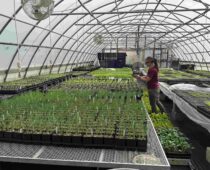






Alice Starek and her husband are farmers and owners of the Golden Hoof farm in Boulder, Colorado. After 15 years in operation, this year will be the first year that they will be able to pay themselves a salary .
“We’ve never actually been able to pay ourselves for farming […], we get paid in food and a good lifestyle, and things like that,” Starek said.
To understand what affordability really looks like on the ground, Yellow Scene Magazine spoke with dozens of farmers across Boulder County. Their accounts paint a picture of how farmers are adapting, sacrificing, and calling for change as economic and social pressures mount.
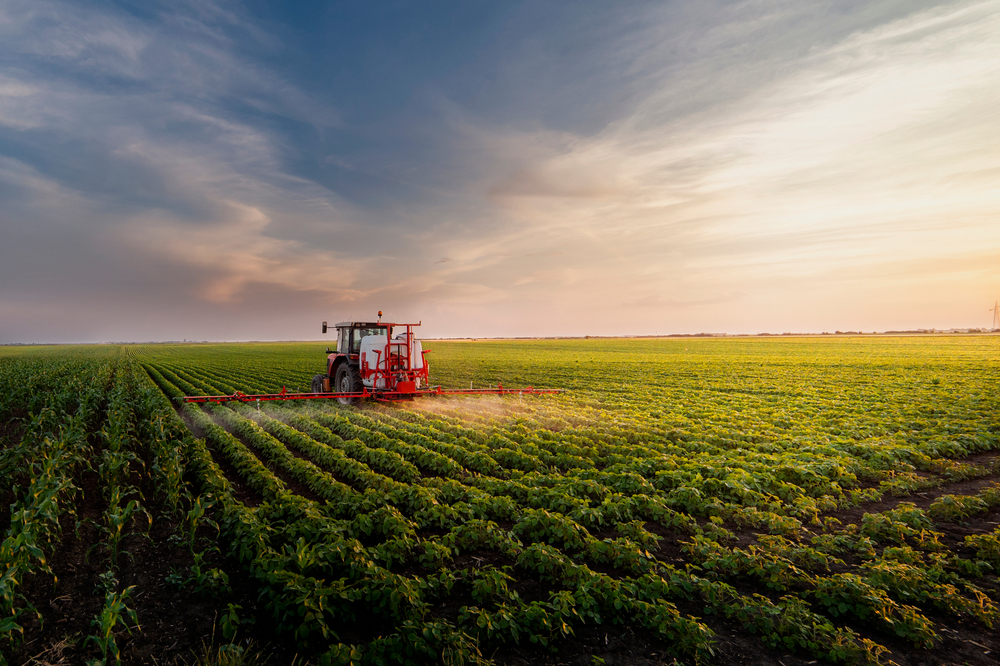
In November 2023, the Boulder County Commissioners voted to increase the minimum wage in unincorporated Boulder County. The local minimum wage ordinance took effect in January 2024 and increases in increments every year until it reaches $25 on January 1, 2030. High minimum wage requirements are often a struggle for many farmers, as the profits from their business are not always substantial enough to cover increases in wages.
“That’s a lot of years, of a lot of work without being paid. And, you know, we give our workers food and housing, but we really can’t pay minimum wage on top of that. I’ve known so many farmers in Boulder County that have been really great farmers, and they’ve gone out of business not because they aren’t working hard enough, not because they’re not smart enough, but because they just can’t make a profit, you know,” Starek said.
Michael Moss is the owner of Kilt Farm and the President of Community Farmers Alliance (COFA), a coalition of organic produce growers in Boulder County.
“So as the minimum wage increases, the cost to produce our crops goes up,” Moss said. “Our cost of production keeps going up, but the price we can charge for our food is really set by forces outside of our control.”
This ordinance will only affect farmers in the unincorporated areas of Boulder County. Incorporated Boulder is home-ruled and will not be subject to this ordinance.
A large portion of the county population resides in incorporated cities and towns, including Boulder, Lafayette, Longmont, Louisville, Erie, Jamestown, Lyons, Nederland, Superior, and Ward. Meanwhile, a smaller portion of the population lives in unincorporated Boulder, where the ordinance is in effect.
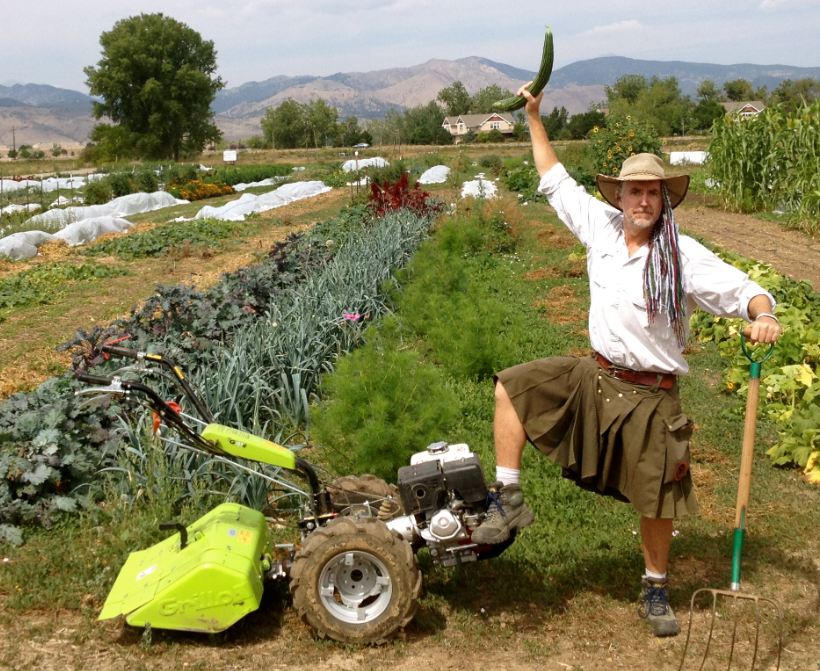
Photo of Michael Moss Courtesy of Kilt Farms
“I appreciate the county’s desire to help close this affordability gap, but putting it on the shoulders of the small business people and a very small amount of the population does not work,” Moss said
This year, Moss decided to focus his efforts on the Community Farmers Alliance (COFA) initiatives, which aim to help local farmers in Boulder County thrive.
“I realized that by taking the year off production agriculture, I could work on these issues around minimum wage and affordable housing,” Moss said.
Farm workers face significant challenges in acquiring affordable housing in the areas where they work. When you look at market-rate housing rentals, the average worker would need to spend 66% – 69% of their income on housing in Boulder County.
This percentage is more than double the Boulder County affordable housing guideline, which recommends spending no more than 30% of one’s income on housing.
The government has tried to mitigate the situation. In the fall of 1993, a community in Longmont built to support agricultural workers and their families, Casa de la Esperanza, opened its doors. The property is owned and managed by the Boulder County Housing Authority (BCHA), and includes a community and learning center offering free educational and recreational programs for residents. For more than 30 years, the program has helped hundreds of farmworker families find housing, access education, and build community.
“Some of the biggest challenges we have are finding affordable housing for our farm workers and also the challenge in finding farm workers in Boulder County, and then the price we need to pay,” Moss said.
Lauren Kelso is the site director for Growing Gardens and the Policy Chair for the Flatirons Farmers Coalition, which is a non-profit organization that represents farmers who are centering ecology and regenerative agriculture in their systems.
“The housing that we have available here is not really made for people who are perhaps a migrant workforce and only coming in for short-term work. And the businesses themselves have to make some large-scale changes, […] in order to utilize a migrant workforce.” Kelso said.
Nicholas Little is a volunteer with the Boulder County Farm Jobs Alliance. He explains how a noble desire to do one good in one area can lead to unintentional consequences in another area of life. For example, implementing high energy efficiency standards in Boulder has led to a rise in housing costs due to requirements to meet energy efficiency guidelines when building and renovating properties.
“Everybody wants to be very clean [with energy use], and that’s a noble desire, but where the rubber meets the road. It starts making your housing more expensive to build new houses and to remodel houses.” Little said.
“So the housing affordability issue is a deeply complicated topic that actually needs to be addressed on a national level to where we can really understand what’s happening with our housing cost,” Little said.
Labor shortages among farms, particularly small-scale farms, in Boulder County are continuing to increase. It is as much a symptom as it is a result of other challenges the local agriculture community is facing. Data from the Colorado Agricultural Labor Survey for Employers indicate an increase in reported labor shortages, from 7% to 12.5%, between 2016 and 2020. Additionally, 22% of survey participants reported being unable to obtain all the workers they needed over the last five years. Limited affordable housing, a higher cost of living, a lack of benefits, and minimal incentives for farm workers are among the factors contributing to the labor shortage in Boulder County agriculture. Some entry-level and seasonal farm workers may choose to work elsewhere on larger farms that offer better choices.
“Starting with the real shortage of labor […], the work is very hard, the hours are very long, and many people would think that this is unskilled work. It’s actually highly skilled work to be able to know the differences between all the vegetables, how to use your body, how to use the tools, and how to know when to harvest,” Moss said.
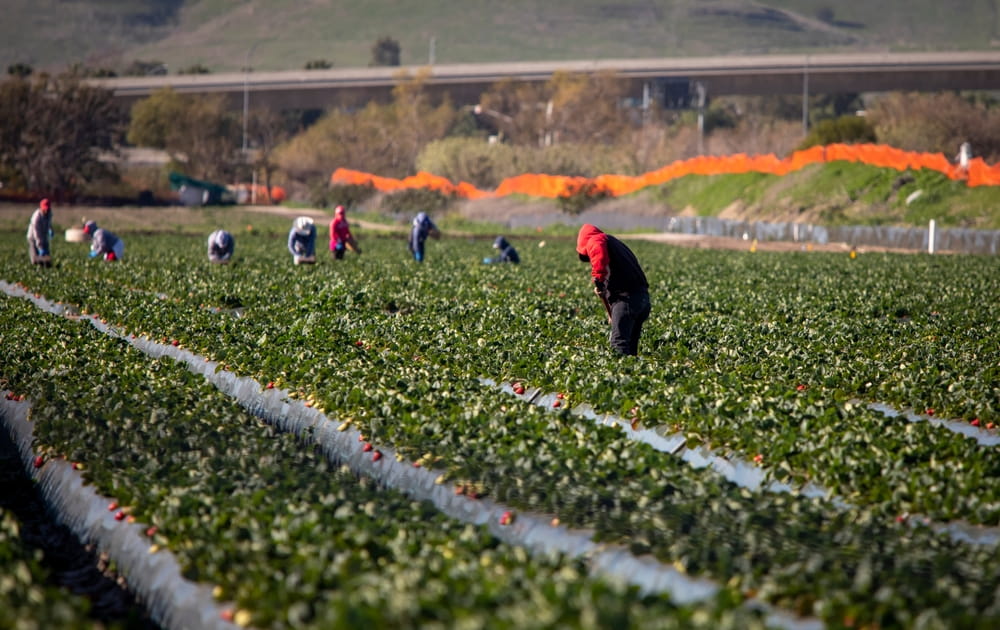
Farm owners also resort to hiring international farm workers to meet their demands, but it comes at a cost.
“A lot of employers, farmers in the county, have moved to an H-2A program, which is a visa for agricultural workers […], it adds about $6 an hour to the cost of the employee, because we have to pay for their transportation, bring them to the states, pay for their transportation inside the US, their food, their housing, plus their wage” Moss explained.
From 2019 to 2024, inflation has increased approximately 22.7%. According to the Colorado Department of Local Affairs, inflation in the Denver-Aurora-Lakewood Consumer Price Index was 1.9% in 2019, 2.0% in 2020, 3.5% in 2021, a steep increase of 8.0% in 2022, 5.2% in 2023, and 2.3% 2024.
For example, a product that cost $50 in 2019 would have risen to $61.35 in 2024. Michael Moss and his farm have experienced firsthand the effects of the inflation.
“Since the pandemic, we’ve seen increased costs. The supply shocks of the pandemic increased all of our input costs. Inflation over the last few years has also increased general input costs,” Moss told Yellow Scene.
With a mandatory minimum wage, higher costs, a labor shortage, and a lack of affordable housing, farmers like Michael Moss find it increasingly difficult to maintain their daily operations.
“I’ve made the decision to liquidate my farm and close it for good after this year. I really feel I’m the first of many local farms that are either going to dramatically downsize or change their business model or go out of business completely.” Moss told Yellow Scene
Others resort to unconventional methods to cope with the rising costs of farming. Byron Kominek is the owner of Jack’s Solar Garden in Longmont, CO. He tells the story of how his traditional 24-acre family farm became a solar garden.
“A large part of it was trying to figure out how to make our family farm financially viable, paying our farm over the years, essentially, [the farm] didn’t pay the bills sufficiently.” Kominek said, “We needed to figure out what else could be done with our land, so that the farm is not an expense, but something that is actually contributing back to the family. So the idea of building a solar array came up to be able to have passive income off of selling electricity.”
In 2020, Kominek used solar energy to integrate agriculture within a solar array. Jack Solar Garden now sells electricity to the equivalent of 300 homes in the community.
“It has become more profitable than hay ever was on our farm. Helps cover a lot of the costs on the farm, helps provide a base level of income for the farm, while we’re able to still work on the other pieces of land to see how we can make the rest of our property more useful too.” Kominek told Yellow Scene.
The combined stressors of the minimum wage ordinance, lack of affordable housing, labor shortages, and rising operational costs can take a serious toll on many farm owners and managers.
“You know, suicides are up in Colorado, in agriculture, and across the country because of the stresses of running a farm. You know, it’s hard on families.” Moss said.
Moss explains that many farmers and their partners often need to work a second job outside of farming to keep up with rising costs. He also had to make some sacrifices, including spending long days at the farm and missing out on crucial parenting time with his five-year-old child.
“So there’s financial pressures, there’s business pressures, there are environmental pressures that make farming really taxing,” Moss said
Lauren Dunteman is the Director of the Flatirons Farmers Coalition.
“Farmer mental health is a particular crisis that needs to be addressed. A lot of times, farmers are working in the heat […], the Boulder County area also really struggles with dangerously windy days, and it can be really exhausting, physically and mentally, for farmers to be out in the field for 12 hours a day,” Dunteman said.
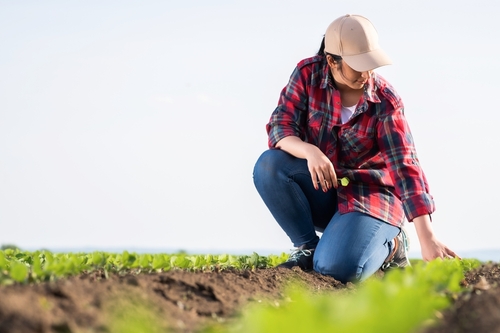
Dunteman also believes that the strain experienced by farmers in the community is often exacerbated by a variety of challenges they face simultaneously.
Farm owner, Michael Moss, might soon be closing the door of Kilt Farm after 12 years in business.
“This is really emotional for me. I won’t be feeding the 500 families. I won’t be putting my food into the local grocery stores. I’ve seen children grow up eating my food, and I’m not going to be able to do that anymore. So that’s a loss. If we continue down this path, we’re going to lose a lot of the small restaurants in unincorporated Boulder County,” Moss told Yellow Scene.
COFA, the Community Farmers Alliance, is asking the county commissioners to pause the minimum wage increases and shift to a Consumer Price Index (CPI) rate adjustment so that the county can be more aligned with the City of Boulder by 2030.
“We’re also working closely with other organizations and county commissioner Marta Loachamin to focus on ways to address the affordable housing for farm workers, possibly voucher programs, possibly home ownership programs, so our farm workers can be long-term members of the community,” Moss said.
Commissioner Ashley Stolzmann is aware of the challenges farmers face and is working to advance regenerative agriculture as a path toward a more sustainable future. Stressors such as the cost of supplies, maintenance parts, and equipment have increased considerably in recent years.
“We work on farmers’ issues and ranchers’ issues […], and talk about what we’re seeing in the different areas of the country and how we can try to affect policies like the Farm Bill, policies like the visa programs, H2A and H2B visas. We write letters and testify before Congress to try to get them to make changes.” Commissioner Stolzmann said.
President Trump’s aggressive tariff policy has introduced new layers of risk for American farmers. Canada supplies a significant share of U.S. fertilizer, making the 35% tariff on Canadian goods a direct hit on farm operating costs. China, the world’s largest agricultural importer, has responded to U.S. tariffs by imposing retaliatory duties of 10 to 15% on American wheat, corn, and soybeans, cutting off key export markets. For farmers trying to plan a season, that kind of volatility makes stable decision-making nearly impossible.

However, Trump’s era disruptions are far from the only factor at play in this crisis. Policy makers are often faced with challenges where there are competing interests from their constituents. Farm owners need to be able to afford their operating costs while farm workers need to be able to afford basic necessities like food, housing, and rent.
“If you look at what our minimum wage is now, where it’s $16.57 [per hour], it’s not a reasonable price to pay a person to work for an hour. Picking vegetables in a field is hard. Working in the sun all day is hard.” Commissioner Stolzmann said.
The minimum wage ordinance was legislated by the state over the last couple of years to address some of the farm workers’ rights and to try to make the job safer and more secure for everyone.
“I completely acknowledge and recognize that it puts burdens on the business owners who own the land and own the business. But we have to really make sure that we’re caring for the whole society, and the businesses won’t succeed if their workers aren’t succeeding.” Commissioner Stolzmann told Yellow Scene.
The County Commissioners implemented a Business Assistance Program to offer direct cash assistance, as well as free support from the Small Business Administration (SBA) and the Boulder County Colorado State University Extension Office (CSU).
“At the county commissioner level, there’s actually a lot of agreement on helping farmers and ranchers.” Commissioner Stolzmann told Yellow Scene.
Some small steps individuals can take to support local agriculture include shopping locally, connecting with farmers, and purchasing food from those who produce it in a manner aligned with one’s values.
“I think addressing labor issues and addressing how people are purchasing and programming is necessary to realize a more fruitful future for all of us.” Commissioner Stolzmann said.
Commissioner Marta Loachamin believes that immigration reform is the key to achieving housing stability nationwide, including in Boulder County.
There are numerous ways the County Commissioners can support small farmers, with the cornerstone that agriculture, self-sufficiency, free production, and local eating are critical components of day-to-day life.
“What else do we do around economic vitality? How do we support small businesses and farmers? How do we not require organic farming specific certifications, but allow people to do organic farming without another cost burden?” Commissioner Loachamin said.
Commissioner Claire Levy speaks of the initiatives that governments have already put in place to ease the pressures that farmers are facing.
“Well, we already have, for a long time, a whole variety of grant opportunities for local farmers that address healthy soils, that address those who farm lease land from Boulder County Open Space, and we provide infrastructure improvements, such as irrigation systems.
Commissioner Levy has heard from farmers about their request for revisions to the minimum wage ordinance. While the economic viability of some farms is at risk, farm workers struggle to live and work in Boulder County on the wages they make.
“We did increase the minimum wage because the cost of living in Boulder County is so much higher than in other parts of the state, and so it does not make sense to have one statewide minimum wage when we have such wide differences in the cost of living.” Commissioner Levy said.
The County Commissioner scheduled a County Commissioners’ Business Meeting tentatively in October to discuss possible changes to the local minimum wage ordinance. The future of many farms in unincorporated Boulder may hang in the balance.
Planning for the future, some farmers are considering how they can adapt to changes to ensure the survival of their farms.
Byron Kominek of Jack’s Solar Garden is considering ways to reduce labor costs by introducing a U-Pick farm approach and switching to a perennial habitat, an agricultural system where crops live for more than two years without annual replanting.
“Just trying to put it simply, seeing the cost of wages as they increase, trying to figure out how to remove the need for labor on site as much as possible,” Kominek said.
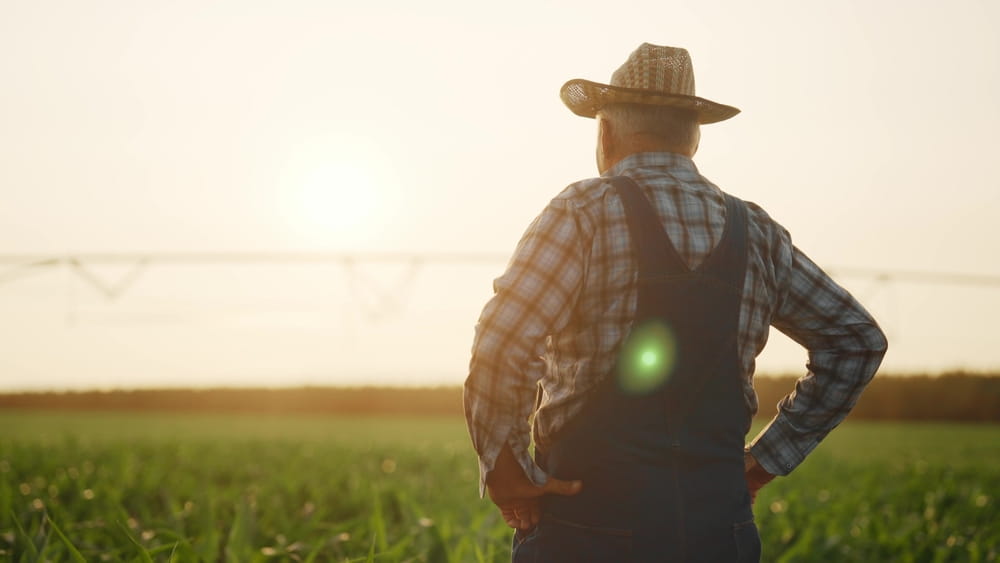
When it comes to making farming in Boulder County truly sustainable, Laure Kelso believes both the government and the public have a part to play.
“We need public government programs to really support this work in the normal sort of economy of growing food […], we need the public to rally around these people and help them find solutions that help us get food to our community in a way that also takes care of the people and the environment that’s growing it.” Lauren Kelso said
Nicholas Little, the volunteer with the Boulder County Farm Jobs Alliance, emphasizes the reality of how the economy operates in light of the minimum wage ordinance. In theory, everyone should be paid more money, but Little believes this policy change can have unforeseen consequences.
“This is the challenge of running any sort of economy […], there is a very careful balance that needs to be walked because if you start tinkering with the economy, you’re going to lose businesses, and so, you have to have an economic policy that enables prosperity,” Little said.
For the farmers Yellow Scene spoke with, that prosperity still feels a long way off.
If you would like to read more or support the farmers in Boulder County, please visit www.bouldercountyfarmsandjobs.com. To contact your commissioner, you can send a letter using the Action Network campaign created by the Community Farmers Alliance.
Like journalism like this? Consider becoming a sustaining supporter — and get our print edition delivered to your home each month.
Democracy needs journalism more than ever. For 25 years, we’ve told the truth — your support helps us keep doing it for the next four and beyond. Administrations come and go. Our team stays, ready to lead no matter who’s in charge.