




It’s apparent now more than ever that the world is quickly changing under our feet in ways we’re still struggling to name. That change shows up everywhere: from the entertainment we consume; to how we spend money, vote, and, crucially, how we stay informed. Newspapers have been in decline for decades, but now it looks like another domino has fallen: traditional cable news. For years, political discourse was shaped by giants like NPR, CNN, Fox News, and the AP. However, new data from Pew Research shows that a new contender, the social media influencer, has entered the ring. When we think of influencers, we usually imagine beauty tutorials, comedy skits, and viral nonsense. That still exists, but it’s no longer the whole picture. There’s now a fast-growing community of independent political voices that are having a real impact on how people understand the world.
Take the 2025 election. In the wake of Kamala Harris’ defeat, critics noted her reliance on legacy outlets like CBS and NBC while largely ignoring newer, more disruptive platforms like The Joe Rogan Experience. Saying the Democrats lost solely because they didn’t go on enough podcasts may be an overstatement, but the fact remains that one-third of Americans now get some of their news from YouTube or Facebook and nearly half from other nontraditional sources. Alternative media is no longer fringe; it’s a growing, influential force. One that both politicians and voters need to understand to stay connected in today’s shifting political landscape.
So, what does it mean to be informed in 2025? There’s no single answer. But we can point you toward the voices wrestling with that question in real-time. Here at Yellow Scene Magazine, we’ve highlighted a few of the most compelling independent media figures out there. We’ve also scored interviews with two heavyweights, Mehdi Hasan, and Sam Seder, to hear directly from them on the future of news, the Democratic Party, and the role independent media plays in shaping both.
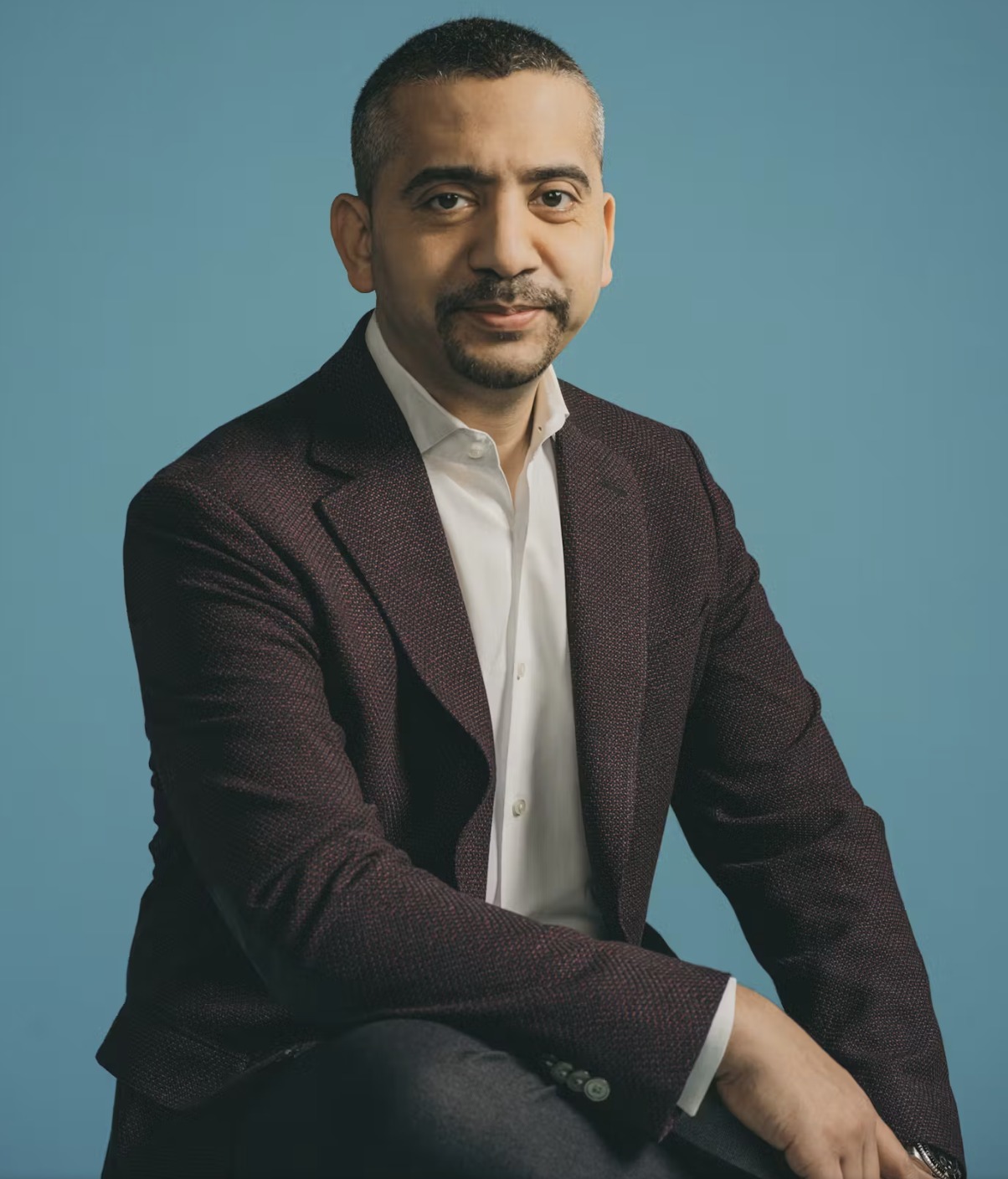
Mehdi Hasan
Veteran journalist Mehdi Hasan is known for fearless, surgical interviews that cut straight through manufactured narratives. With a career spanning Al Jazeera, MSNBC, and The Intercept, he’s now leading his own venture: Zeteo Media, a platform for unfiltered, independent reporting and pursuit of truth.
Follow Hasan and Zeteo for a rare mix of independent media’s freedom and traditional journalism’s standards.
Sam Seder
Host of The Majority Report, Sam Seder blends deep knowledge with relentless curiosity. He’s a former host of Air America, who reimagined his radio show into a daily must-watch livestream. Seder doesn’t just read headlines. He debates, interviews, and even takes live calls from viewers who disagree.
We recommend Seder for sharp, nuanced political analysis, and conversations with figures across the political spectrum.
Hasan Piker
He’s not your dad’s news anchor, and that’s the point. A Twitch powerhouse and former TYT host, HasanAbi delivers news and commentary with the energy of live streaming, the language of his generation, and a commitment to leftist politics. He’s impressed us with his work on the ground interviewing imprisoned firefighters in Southern California and coverage of the LA ICE protests.
We recommend Piker for digestible takes that especially resonate with younger audiences.
Krystal Ball
Former MSNBC host and now co-anchor of Breaking Points, Krystal Ball is a level-headed populist challenging power from both sides. Calm under fire, incisive in her critiques, she’s a steady voice in a media environment built for outrage.
Follow Ball for grounded, anti-establishment takes that reject partisan loyalty and corporate narratives.
Kyle Kulinski
Founder of Secular Talk and co-creator of Justice Democrats, Kyle Kulinski brings blunt, principled commentary with a progressive edge. Whether he’s breaking down policy or calling out both parties, Kulinski stays focused on his values.
We recommend Kulinski for hard-hitting progressive commentary and a long-term vision for political change.
Interview with Medhi Hassan
Can you share your personal political journey and how it’s influenced your work in independent media?
So I’m in a slightly different place to a lot of people in independent media, although people are now following in my footsteps in the sense that I come from mainstream media. I’ve worked in mainstream media organizations across the world. I worked at the BBC and Sky News in the UK. I worked at Al Jazeera, an English international channel based out of Doha. I’ve worked here in Washington, DC for NBC News, MSNBC, and now I’m running my own independent media company Zeteo. So I come at it from a slightly different place. I’m not born from within independent media. I was actually very mainstream and very corporate for a very long time, and I enjoyed it for a very long time too.
I know when Tucker Carlson quit Fox, he had his mantra: ‘corporate media is dead, join us’. And I didn’t take that hostile [of] a position. Obviously, I’m very critical of mainstream media. I was critical of mainstream media when I worked within mainstream media. But I don’t want to burn it all down. I do believe that there’s a lot of mainstream journalists who do a lot of good work. And so I do believe there should be some kind of synergy between the two.
What unique value does independent media offer that mainstream outlets might not?
I think what Zeteo is doing is trying to find spaces that are not occupied right now and trying to amplify voices. Something I did when I was at MSNBC, was trying to get guests who other people aren’t getting. If you switch on cable news, you will see the same people every hour of every day on every network. It’s the same consultants, the same former officials, the same journalists, the same op-ed writers. And what I tried to do at MSNBC, and what I now do, successfully at Zeto is try and amplify the voices you don’t always see.
I always chuckle to myself that if I never do anything else in life, I could always proudly say that I’m the guy who booked Noam Chomsky on MSNBC. And Noam wrote to me at the time, for 25 years, MSNBC has been on, and you’re the first person ever asked me to come on air, which was bizarre to me. So, for me, that was a lot of it amplifying really important voices who aren’t being heard, that are counter establishment.
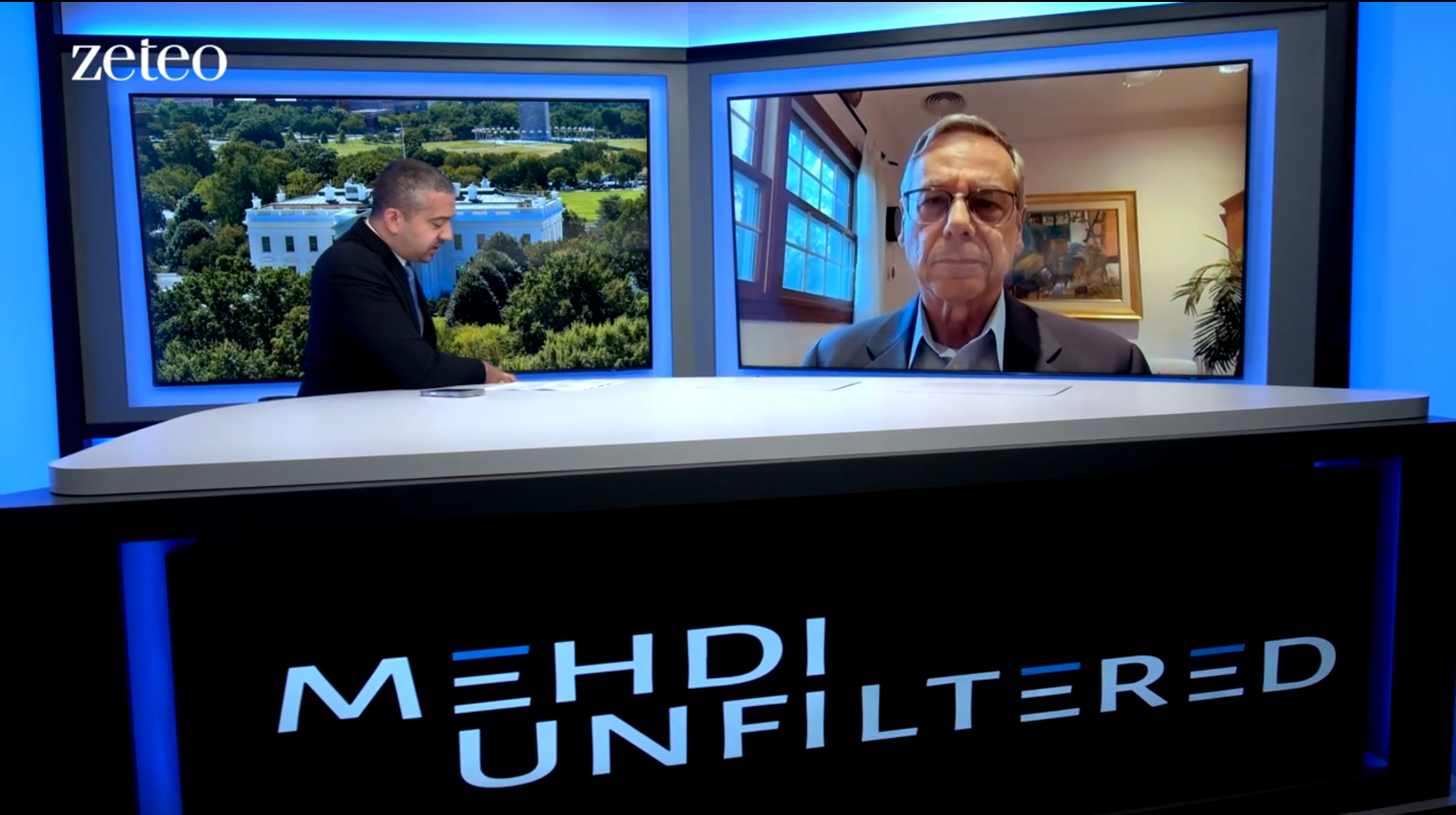
The Mehdi Hasan Show
You mentioned there’s a synergy between independent and mainstream media, what does that look like?
Corporate media does a lot of good work with the resources it has that I don’t. But they also have to worry about their advertisers in a way that I don’t have to worry about advertisers. They also have to worry about their C suite in a way that I don’t have to worry about a C suite.
I’m funded purely by subscribers, which gives me huge editorial freedom to be able to take risks, to say things that others won’t say, to not have to worry about, oh, can I say Donald Trump’s a racist, or do I have to worry about calling him unhinged? But I do think there is synergy, because if the mainstream media is covering a story in the right way, we will supplement it. If they’re covering in the wrong way, we will be the first to bring the critique.
Kamala Harris’ decision not to interview with Joe Rogan during her campaign sparked discussion. What role, if any, do you think that decision played in the last election cycle?
It’s an important question, although, personally, I think the Joe Rogan thing is slightly overblown. Number one, I think they lied a bit about her, I think they [Kamala’s team] did want to do it, and there’s a debate about dates. I also think if she had that would have been a car crash, because I don’t think they would have really melded those two.
Some have suggested Democrats need a “Joe Rogan for the left”. What are your thoughts on such discussions?
My worry about the whole podcast debate is the danger of saying podcasters are now going to lead the way when it comes to political coverage. Podcasters tend not to ask tough questions. If you go on a Lex Friedman or Joe Rogan or whatever it is, it ends up being super conversational, and it’s a great listen. That’s why people listen to them, and they go on for two hours, but they’re not asking the follow-up questions, they’re not doing the forensic questioning, they’re not holding feet to the fire. They’re not being challenging in the way that I tend to be, or some others tend to be.
So politicians like the idea of, let’s just do podcasts, because it means they get to go on and say nonsense, no one’s gonna come prepared with policy-oriented questions, no one’s gonna have follow-ups or say, well, actually, what you said is not true. I think that is a problem for our political culture. American media already has too many softball interviews. And my worry with podcasting is that it’s just going to increase the number of cozy chats.
How has your approach or role changed with the arrival of a new administration, which feels markedly different from previous ones?
I just tweeted today in the wake of Jeffrey Goldberg publishing a second round of texts from the signal chat, ‘Dear fellow journalists, stop believing what these people say. Start from the assumption that they’re lying.’
The old ways of journalism do not apply to this administration, where you have to get a right to reply. You have to say he said X, but she said Y, he said something, but the administration denies it. That has to be thrown out. This is an administration that has lied so much, so often, so relentlessly, so demonstrably, that journalists have to start from the premise that everything they say is a lie. Otherwise it’s a dereliction of journalistic beauty. You have to adapt to the world you’re in, and the world you’re in is one where these people lie about everything,
Amid the challenges and polarization, what gives you hope for the future?
It’s hard to stay hope filled at a time like now, when there’s an all across the board assault on democracy, on freedom, on free speech, on the free press. I guess two things keep giving me hope. One is that the government may be a bunch of authoritarians and neo-fascists but they’re also super incompetent. Otherwise, we’d really be screwed. But number two, I do take hope in a lot of the young people who are on college campuses speaking out, who are becoming journalists like yourself, who are running for office and trying to displace the gerontocracy we have in this country, I do take a lot of hope from young people. I’m the father of two kids, and I think there is a young generation that hopefully will stand up to this stuff and make sure that America and the democratic experiment that is America survives beyond 2025 we’re only three months in, and it feels like we’re going to struggle to make the summer at this rate.
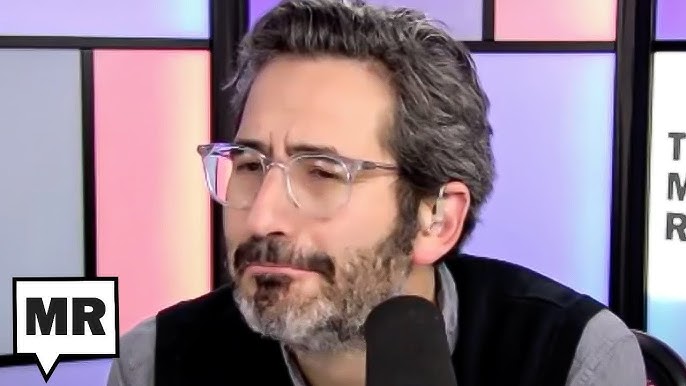
Interview with Sam Seder
What unique value does independent media offer that mainstream outlets might not?
Well, I think there is a sense of less pretense. There is no appeal to authority; you get judged more on what you are delivering over time. Also, you’re independent. Theoretically, you’re not influenced by who the sponsors are. I mean, I think it’s a problem in certain areas where people are getting money from certain places. And, we try to be very careful. We don’t take sponsorships from different industries that we think are problematic, anything we might criticize or is associated with policy, we won’t get involved with. We have gotten rid of sponsors because they were producing their goods in the West Bank, that was years ago.
Our audience keeps us on our toes about that. We’ll hear from our audience hey, this company is on the BDS list, or this company is providing support for oppressive regimes, whatever it is and will react to it. And I think on some level, younger generations expect a little bit more transparency and a little bit more access to tell us when we’ve gotten things wrong. And so the artifice is less important than it used to be.
Kamala Harris’ decision not to interview with Joe Rogan during her campaign sparked discussion. What role, if any, do you think that decision played in the last election cycle?
I think the Democrats need to communicate better. I don’t know that you need a Joe Rogan of the left per se to do that, but they need to communicate better, without a doubt. Part of that is a function of leadership that has clung to power in the Democratic Party for too long. So there’s almost a cultural problem in understanding, and I get that. For a long time, when people asked me what I did, I was embarrassed to say I’m doing a YouTube show. Because people my age and older would respond “oh, what?” But younger people don’t have that attitude. And I think, Democrats, for too long, were led by people who didn’t appreciate that.
I think there’s also a structural problem with the consultant class and the Democratic Party. They make more money if they steer their candidates towards TV advertising. I think if Democrats need a better vehicle to message, it’s out there, they just need to figure out how to use it more.
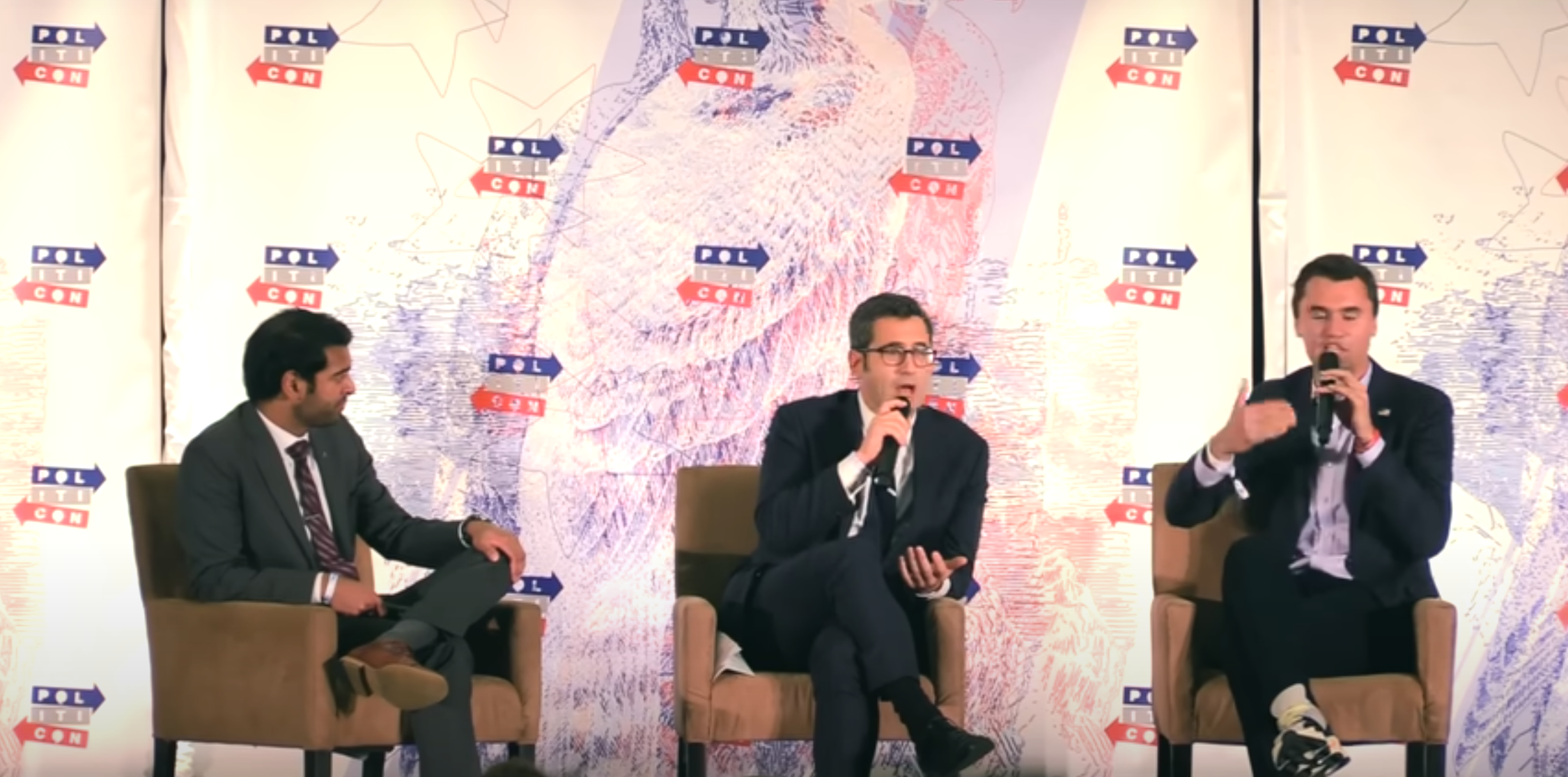
Sam Seder debating Charlie Kirk at Politicon.
The right has built a powerful independent media ecosystem, often backed by billionaire funding. Why hasn’t the left developed a comparable infrastructure, and what are the obstacles?
Well, they’re [Republicans] definitely more aligned with these people [right wing commentators]. They’re paid by these people. There was a moment recently on Tim pool where Milo Yiannopoulos revealed that Ben Shapiro and others in that sphere bought a lot of their views, and he called it, ‘fake it till you make it’. And this was clear. A couple years ago Ben Shapiro spent over a million dollars on Facebook advertising, and that was what was recorded. There’s no doubt in my mind that they get billionaire support that will come in, give them money to juice them in the marketplace, and then that becomes self perpetuating.
If I buy my way into the top 10 of iTunes, then it’s much easier to grow from that point. And frankly, you know, the agendas are more aligned because you’re not going to find many left wing billionaires. And to the extent that you do, they’re not going to be terribly happy with what I’m calling the floor, which is for them not to exist: a wealth tax. That’s a Dilemma.
How has your approach or role changed with the arrival of the new administration, which feels markedly different from previous ones?
It’s a good question; I’m still adjusting to it frankly. The job shifted on January 20, to one where I am reacting a lot more to the news, because so much of it is coming so fast. The difference is really tightening the criteria on what we assess is most important, and also making sure that we are finding opportunities to empower our audience. I think something that’s been difficult about this presidency is that there’s so many breaking stories coming out every day, and it almost feels deliberate, like some of these tickets of orders, nobody expects them to like pass, but they expect them to get articles. And it kind of feels like we might knock down the big, flashy thing. But what are all these, smaller things that are happening, and what’s the most important thing to have the audience know today?
With figures like Elon Musk, Mark Zuckerberg, and Jeff Bezos wielding immense influence over platforms central to our news intake, are you concerned about algorithmic bias or the blurring lines between political power and media control?
It’s scary, I find it really, really disturbing. It is quite clear, the Washington Post endorsement was not going to make any difference whatsoever in this election, but the idea that Bezos was so determined to not offend Trump was the scariest part about that. It sounds a little bit like hyperbole, but that’s what fascism looks like. It looks like an authoritarian leader, and then major corporations and other institutions deciding it’s in their best interest to play ball. All of these things have melded into one agenda where all of these incentives are aligned, and it’s scary.
Amid the challenges and polarization, what gives you hope for the future?
Times have been worse in this country. It’s not super optimistic, the idea that things could be worse. I am encouraged by just getting a sense that people are mobilizing and are engaging in substantive stuff this time.
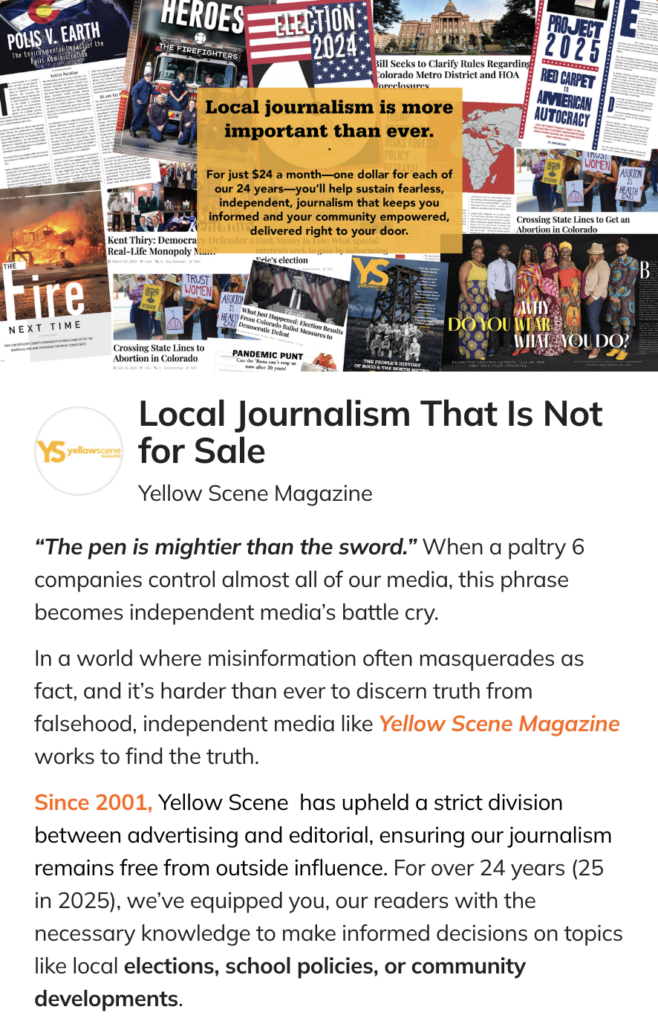
Democracy needs journalism more than ever. We’ve been telling the truth for 24 years. Your support helps us keep telling it for at least the next four years.