




Indulgences: Farm to Table
The Hands Behind the Harvest
Some meals carry a meaning that reaches past the plate. They carry the hands that grew it, the land that shaped it, and the people who built a life around feeding others. Around here, certain farms and kitchens serve food that speaks as much to its origins as to its taste.
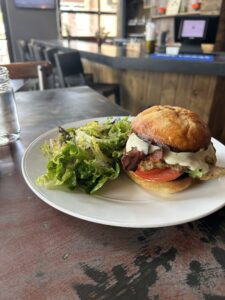 The Whistling Boar is led by Chef David Pitula, who spent 16 years cooking in New York before bringing his craft out West. In Brooklyn, his food’s origins were a mystery, but here he knows every root and cut. During the growing season, roughly 80% of the produce comes from local farms, as well as the meat. Everything is made from scratch, down to the bread. While heavily focused on catering, their restaurant has a rooftop bar and event hall attached. While they don’t have a liquor license yet, they make mocktails that are every bit as thoughtful as cocktails, like the Boar’s Whim, a playful take on a Shirley Temple. Their farm-to-table approach is simple: they cook with what is in season and coming fresh from nearby fields. Locally sourced food is their foundation, and they put their money where their mouth is, giving 2% of their revenue to Restore Colorado, which provides grants to farmers. They’re expanding their café and grab-and-go options, but catering is still their stage. Pitula says the secret is consistency and design, but what really makes it sing is their devotion to food that feels local, hand-touched, and unmistakably theirs.
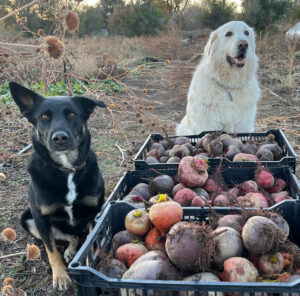 Drive out to Lafayette and you’ll find Three Leaf Farm, owned by Lenny and Sara Martinelli. The Martinellis own multiple restaurants, as well as the Boulder Tea Company, and their farm feeds all of it. For Lenny, knowing and understanding where food comes from is non-negotiable. He runs with a motto “The answer is yes, what is the question?” That attitude permeates everything from farm dinners to workshops. Sara is a medical herbalist, and her knowledge fills the Medicine Trail that winds through the farm, educating visitors about the plants that grow naturally along the Front Range. The farm hosts four-course dinners for 50 to 60 guests, with a rotating menu. They also host the Botanica Festival, a beloved summer gathering that always draws a crowd. In late summer, almost everything on the menu comes from the farm itself, and favorite dishes include corn soup with chili shrimp, kale salad, and Lady Grey ice cream made with their own teas. Chickens, goats, and horses add to the farm’s ecosystem, and flowers, fruit trees, and herbs dot the property. Their work has earned them recognition: the Nature Conservancy’s Nature’s Plate Award for greenest restaurant in Colorado, designation as a Botanical Sanctuary, and in 2023, a spot in the Michelin Guide for their flagship Boulder Dushanbe Teahouse. Lenny says what makes Three Leaf special is its sense of community; it’s close to downtown yet carries the serenity of the country.
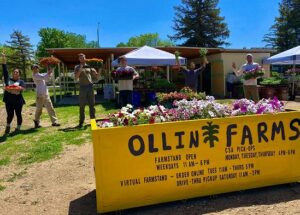
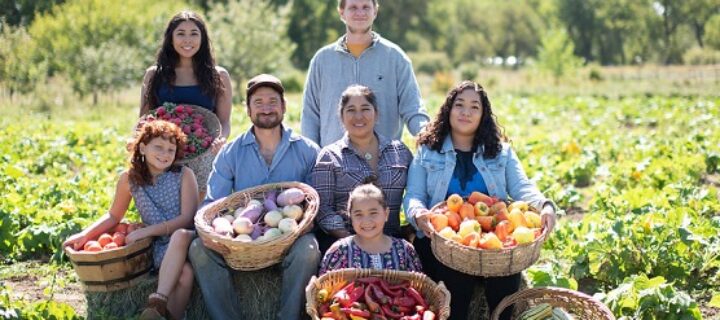
Ollin Farms, run by Kena and Mark Guttridge, takes its name from an Aztec word meaning constant motion or transformation. The idea is simple: the farm is alive, always changing, always improving. What began as a family necessity to care for their grandmother has become a philosophy of nourishment. Kena says, “Food is medicine,” and she means it. They presented at the U.N. last May on the role of family in climate change and were the only family at the conference among representatives from entire nations. At the heart of Ollin Farms is education, especially for the next generation. They believe teaching kids that planet Earth is our home, a philosophy as important as growing the food itself. Alongside youth programs, their Farmstand sells their produce and that of trusted neighbors, and every first Saturday of the month, the fields come alive with a free community festival. Farm dinners feature four-course meals, with 90% of ingredients pulled from their land or nearby farms. They put an emphasis on young chefs carving their path to take the lead in the kitchen, giving them space to experiment. Ollin’s commitment to regenerative agriculture means no pesticides or herbicides, not even organic-approved ones. They build everything from the soil up in pursuit of the most nutritious and flavorful produce possible. Kena puts it straight, “When you’re here, you’re safe, happy, and you cannot beat the flavor.”
Each establishment has its own character, but they all illustrate that food is never just food. It’s care for people, a tie to tradition, and a way of keeping community alive at the table.
Like Journalism Like this? Consider becoming a Sustaining Supporter, and we can cover even more.
Democracy needs journalism more than ever. For 25 years, we’ve told the truth — your support helps us keep doing it for the next four and beyond. Administrations come and go. Our team stays, ready to lead no matter who’s in charge.
Plus you get the hard copy delivered to your home—reading is good.

Democracy needs journalism more than ever. We’ve been telling the truth for 24 years. Your support helps us keep telling it for at least the next four years.