




How do we make practical shifts to balance an environmental concern?
At the beginning of April, Colorado scored 323 on the U.S. Drought Monitor drought severity and coverage index. At the end of 2025, that number was 127.
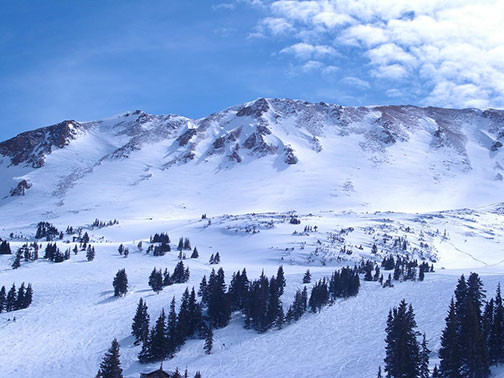
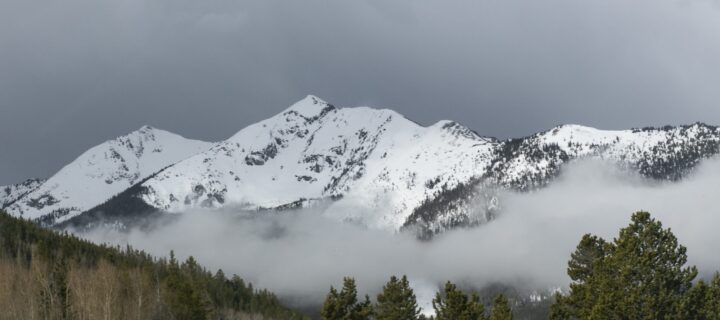
In a place where winter usually does its most important work quietly, this year has felt alarmingly different. Across Boulder County and the broader Front Range, snow has come in fits and starts, often melting almost as quickly as it arrives. Trails that are typically packed with snow this time of year have been dry, dusty, and unusually accessible. It is the kind of winter that makes people pause, not because of a single dramatic event, but because of a steady absence.
According to the U.S. Drought Monitor, much of Colorado has been trending drier than average, with drought conditions expanding and contracting throughout the season but never fully easing. While variability is part of life in the West, this year stands out. For a region that depends on snowpack to function as a natural water savings account, a dry winter is not just a seasonal anomaly. It is an early signal of what the rest of the year might demand.
For people like Kristine Johnson, who serves as co-chair of the propagation committee for the Front Range chapter of Wild Ones, the change has been impossible to ignore. “I was born and raised in Colorado. This winter has been startling,” she says. Her perspective is grounded not just in observation, but in data. As a volunteer with the Community Collaborative Rain, Hail & Snow Network (CoCoRaHS), she contributes regular condition reports as part of a nationwide network of more than 25,000 community scientists. Around 600 of those observers are in Boulder County alone. They track precipitation with approved gauges and share what they see. “It’s really, really cool,” she says. “My neighbors, when it rains or snows, want to know.”
The absence of snow has consequences that reach far beyond winter recreation or aesthetics. Traditionally, the snowpack in Colorado acts as a slow-release system, feeding streams and rivers, replenishing groundwater, and keeping soils hydrated well into the spring. When that system falls short, the effects ripple outward. Farmers may find themselves navigating tighter water allocations earlier in the growing season.
At Ollin Farms, those challenges are already taking shape. Owner Mark Guttridge, who spent years working as an environmental consultant before becoming a farmer, approaches agriculture with a focus on water conservation and soil health. Much of the farm relies on drip irrigation, a system that delivers water slowly and directly to plant roots. Compared to conventional sprinkler systems, drip irrigation can reduce water use by as much as 30 to 60 percent while also minimizing evaporation and runoff. By applying water in a steady, measured way, it more closely mimics natural hydrologic cycles—absorbing into the soil rather than overwhelming it all at once.
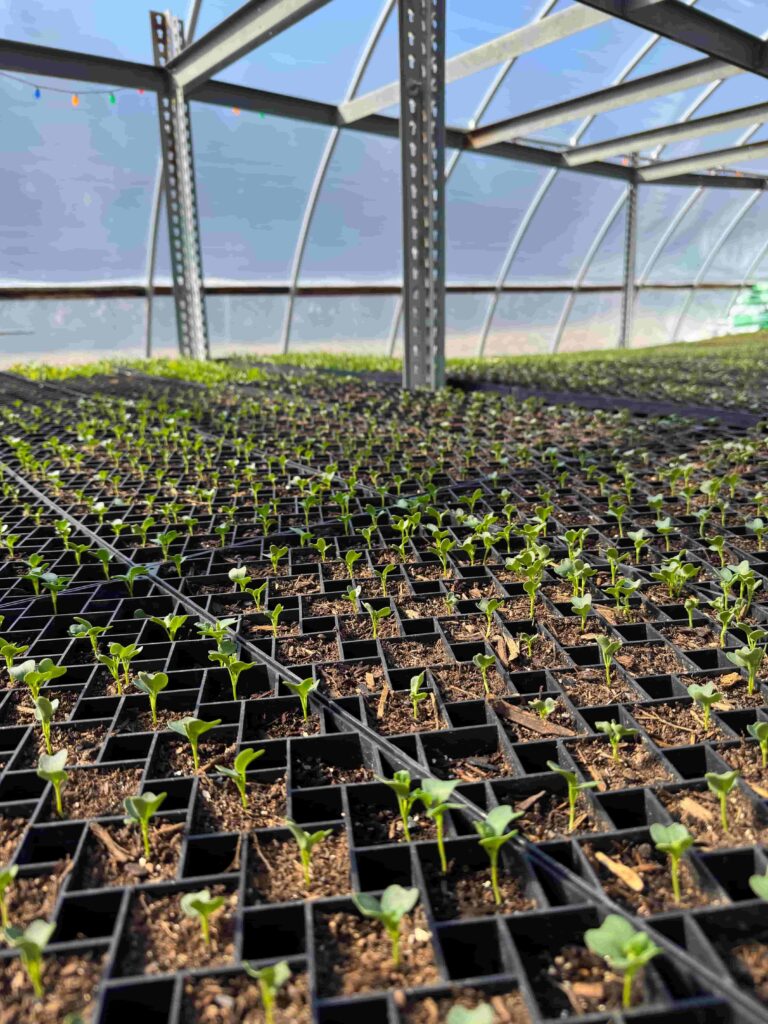
For Guttridge, the bigger picture comes down to what’s happening beneath the surface. “The best way to mitigate a flood or a drought is to have healthy soil that acts like a sponge,” he says. Soil rich in organic matter can hold significantly more water, buffering crops against both extremes.
Even so, the season is already showing signs of stress. “A lot of our overwintered perennials—onions, garlic—are coming up,” Guttridge says. “Irises are up early. But a lot of the fruit trees are starting to put out blossoms, so if we get a freeze, it’s going to be not-so-great.” That early growth, triggered by warm, dry conditions, leaves crops vulnerable to the kind of late cold snaps that are still common along the Front Range.
Water access is another concern. “We have all drip irrigation systems; we’re on Left Hand water,” he explains. “Luckily, we have a commercial rate, so we haven’t seen a huge price escalation. Ag ditches don’t really start running until May, so a lot of farmers are in a tough spot: they have decent planting weather, but the water’s not running yet…and when it does run, it’s not going to be very much this year.” While reservoir levels across Colorado remain relatively stable for now, that stability depends on future snowpacks. “If we don’t get replenished going into next winter, it’s going to be really, really bad,” he says.
Still, adaptation is part of the work. “We’re making the best of a bad situation,” Guttridge says. “Obviously, a drought is not good, in that the heat’s going to put some stress on things.” Crop selection, like irrigation, becomes another way to manage uncertainty. “Bitter greens, like arugula, don’t really mind the heat as much,” Guttridge said.
Even home gardeners and urban landscapers are beginning the spring at a disadvantage, with dry soil that struggles to retain what little moisture it receives. At the same time, the lack of sustained moisture can quietly increase wildfire risk, as grasses and other vegetation dry out earlier and stay that way longer.
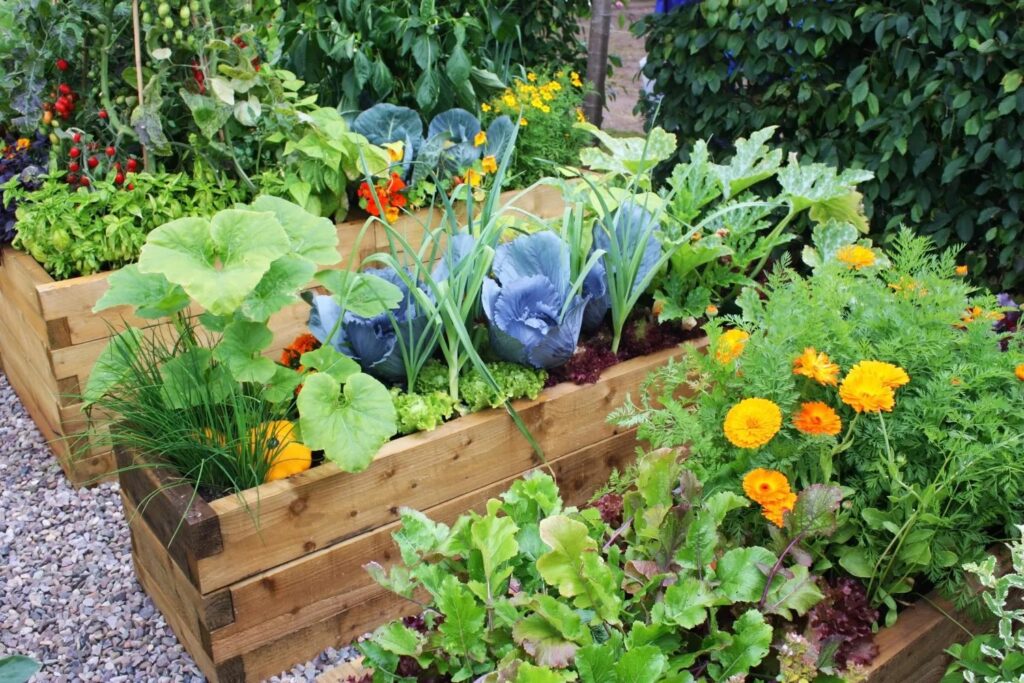
Despite those challenges, there are signs of resilience, particularly in landscapes that have evolved with Colorado’s natural cycles. “What we’re seeing right now is really anomalous,” Kristine explains. “But plants that have evolved here have likely seen conditions like this at some point in their evolution. They’re better adapted than plants from climates that rely heavily on irrigation.” Organizations like the Colorado Native Grass Association have long emphasized this point. Native grasses and plants tend to develop deeper root systems that help stabilize soil and access moisture far below the surface. They are also better equipped to handle swings between wet and dry periods, which are becoming more pronounced across the region.
That reality is starting to shift how people think about their own outdoor spaces. In neighborhoods across Boulder County, traditional green lawns are slowly giving way to more water-wise alternatives. Through programs offered by Resource Central, residents can remove turf and replace it with curated native plant gardens designed specifically for Colorado’s climate. These “Garden in a Box” kits make it easier to transition to landscapes that use significantly less water while still supporting pollinators and local ecosystems. For many households, it is one of the most direct ways to respond to ongoing drought conditions. Reducing lawn size, watering more intentionally during cooler parts of the day, and improving soil with mulch or compost can all make a noticeable difference over the course of a single season.
At the community level, efforts to adapt are becoming more visible and more collaborative. Wild Ones hosts seed swaps, plant exchanges, and workshops that teach people how to propagate native species at home. The goal is not just environmental, but practical. Making native plants more accessible helps more people participate in water-conscious landscaping without high upfront costs. These gatherings also create space for knowledge-sharing, where longtime residents and newcomers alike can learn what actually works in Colorado’s shifting conditions. As Johnson puts it, the organization’s mission is to bring native plants and people together, but the benefits extend much further into community resilience and environmental awareness.
Looking ahead, the uncertainty remains. Climate projections for the West have consistently pointed toward greater variability, with longer dry periods punctuated by more intense storms. If winters like this past one become more common, Boulder County may need to continue rethinking everything from agricultural practices to urban planning. Water conservation could become less of a seasonal concern and more of a year-round mindset. Fire mitigation may start earlier each spring. The landscapes that define the region, from foothill grasslands to backyard gardens, may gradually shift toward species that can tolerate stress and recover quickly.
For residents, the path forward is not about a single solution, but a series of small, intentional choices that add up over time. Paying attention to water use at home, whether by adjusting irrigation habits or replacing high-demand landscaping, is one piece of the puzzle. Preparing properties for fire season by clearing dry vegetation and choosing more resilient plants is another. Staying informed and involved, whether through community science networks like CoCoRaHS or local workshops and conservation programs, helps build a broader understanding of what is happening and why it matters.
This winter may not define the future on its own, but it offers a clear glimpse of what that future could look like. The question is how Boulder County responds, not just in moments of crisis, but in the quieter decisions made on a daily basis.
Like journalism like this? Consider becoming a sustaining supporter — and get our print edition delivered to your home each month.
Democracy needs journalism more than ever. For 25 years, we’ve told the truth — your support helps us keep doing it for the next four and beyond. Administrations come and go. Our team stays ready to lead, no matter who’s in charge.