



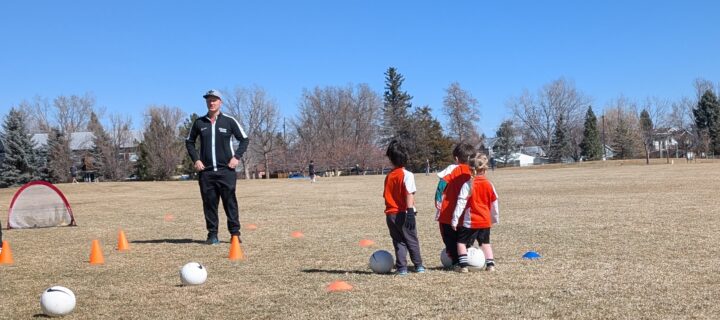

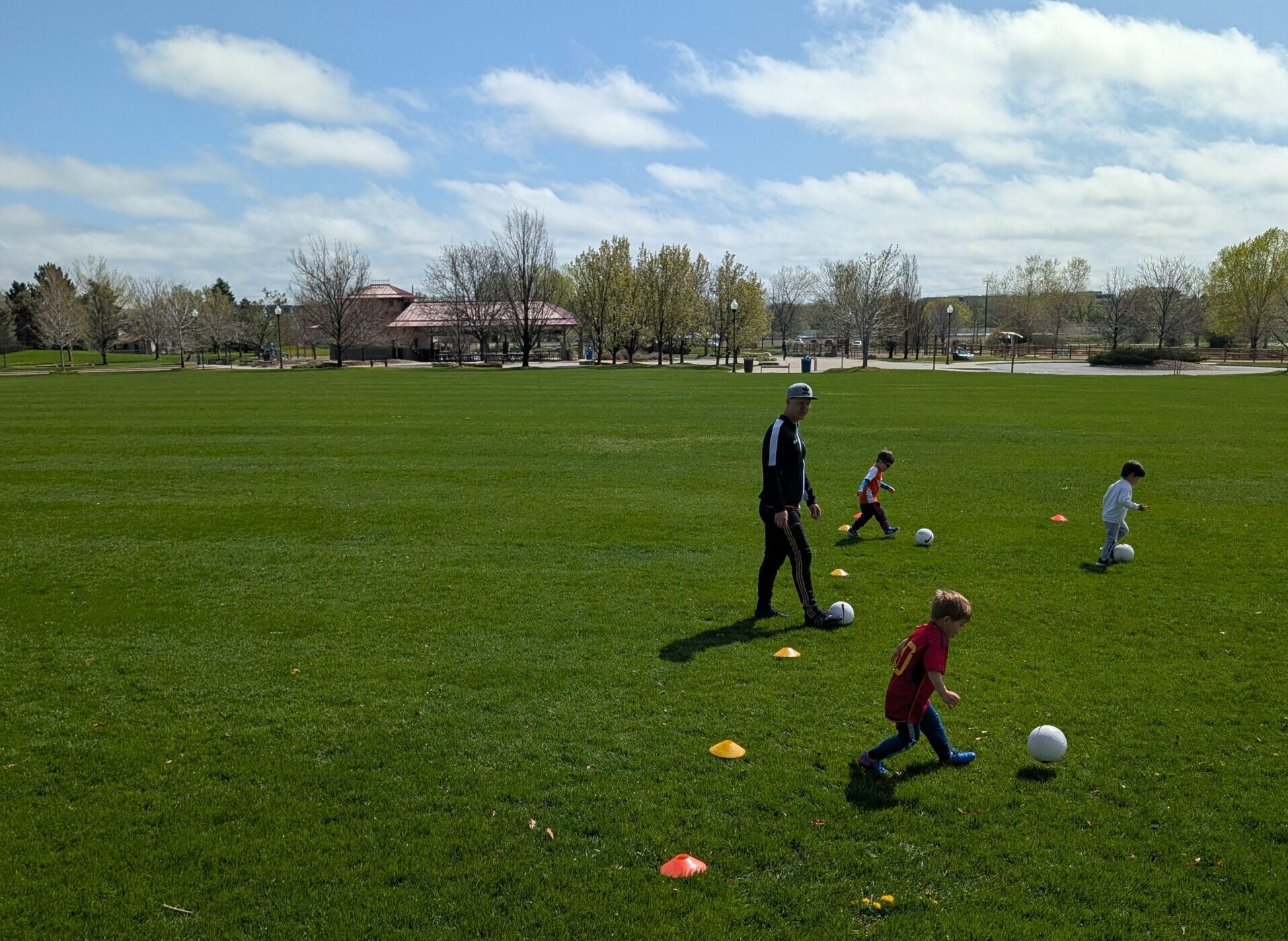
On any given weeknight, fields across America glow under stadium lights. Parking lots overflow. Parents unfold camp chairs in long rows along soccer sidelines. Gym doors swing open or closed as volleyballs thud against polished wood. From recreation centers to elite club complexes, youth sports are no longer just an after-school pastime; they are a defining feature of modern childhood. They are a piece of building one’s resilience, bringing communities together, and reminding children and parents alike the importance of play.
Following a steep drop during the COVID-19 pandemic, youth sports participation has begun to recover. Research from the Aspen Institute’s Project Play initiative shows encouraging signs of growth in organized sports. Project Play’s State of Play 2025 report outlines several trends shaping this new era. Early specialization continues to rise, with children focusing on a single sport at younger ages. Club sports and private leagues are expanding. Household spending on youth athletics has increased significantly, turning what was once a seasonal school activity into a year-round financial commitment.
But the story is more complicated than a simple comeback.
 The cost of the explosion
The rise in youth sports participation has coincided with the rise of pay-to-play models. Club teams often require substantial fees for coaching, uniforms, tournament entry, and travel. Year-round competition adds even more costs.
Household spending on youth sports has steadily increased over the past decade. In some communities, middle school sports programs have been cut due to budget constraints, pushing families toward private alternatives.
The result is a widening gap. Children from affluent households may specialize early, compete nationally, and train with elite coaches. Others may have access only to seasonal school teams, if those exist at all.
Project Play emphasizes the need for multi-sport participation and community-based programming to counterbalance early specialization and financial exclusion. Research increasingly shows that playing multiple sports reduces injury risk, prevents burnout, and promotes long-term athletic development.
A rebound, but not for everyone
For families with resources, opportunity has multiplied. For families without, it can feel increasingly out of reach.
Since 2008, there has been an 8% decline in participation among children ages 6 to 12. High school sports participation also suffered during the pandemic and has not fully returned to pre-2020 levels in many communities. Even more striking is the income gap: Less than one-third of children ages 6 to 17 whose families live below the poverty line participate in sports, compared to roughly 70% of children from higher-income households.
The youth sports explosion is real, but so is the inequality embedded within it.
 Gender gaps and representation
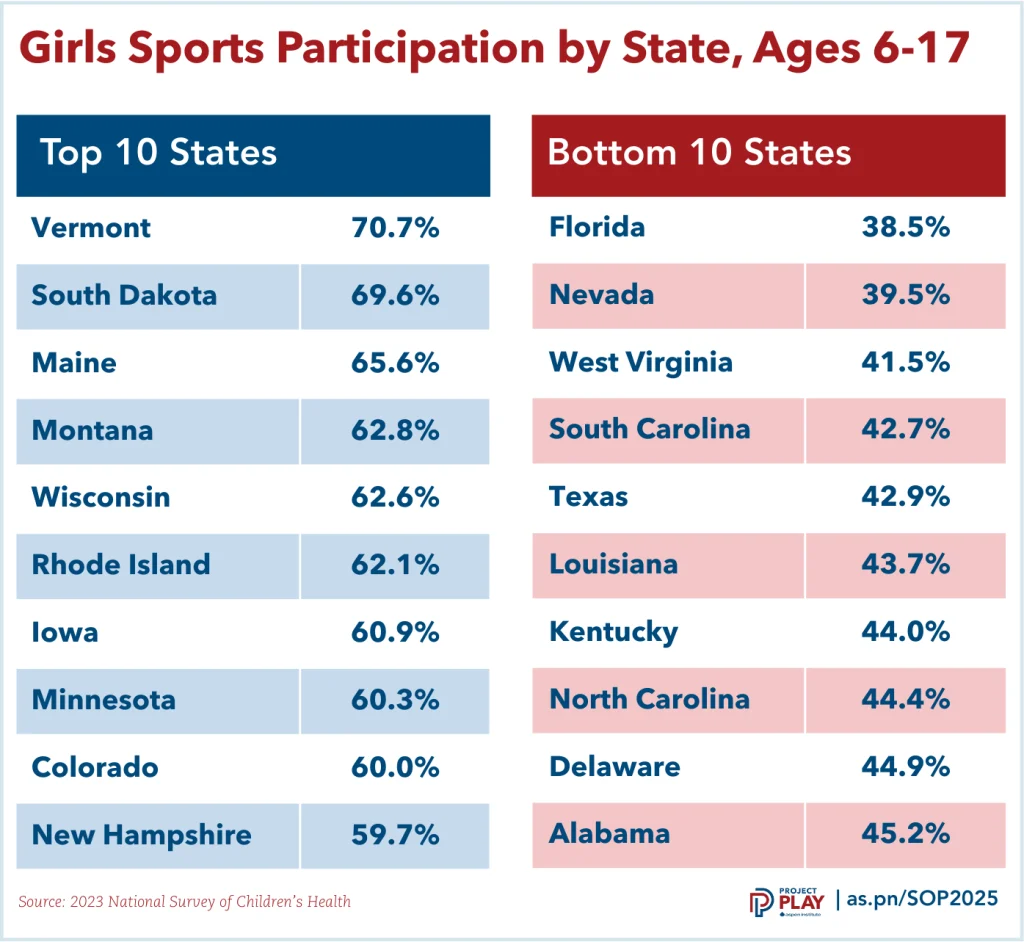
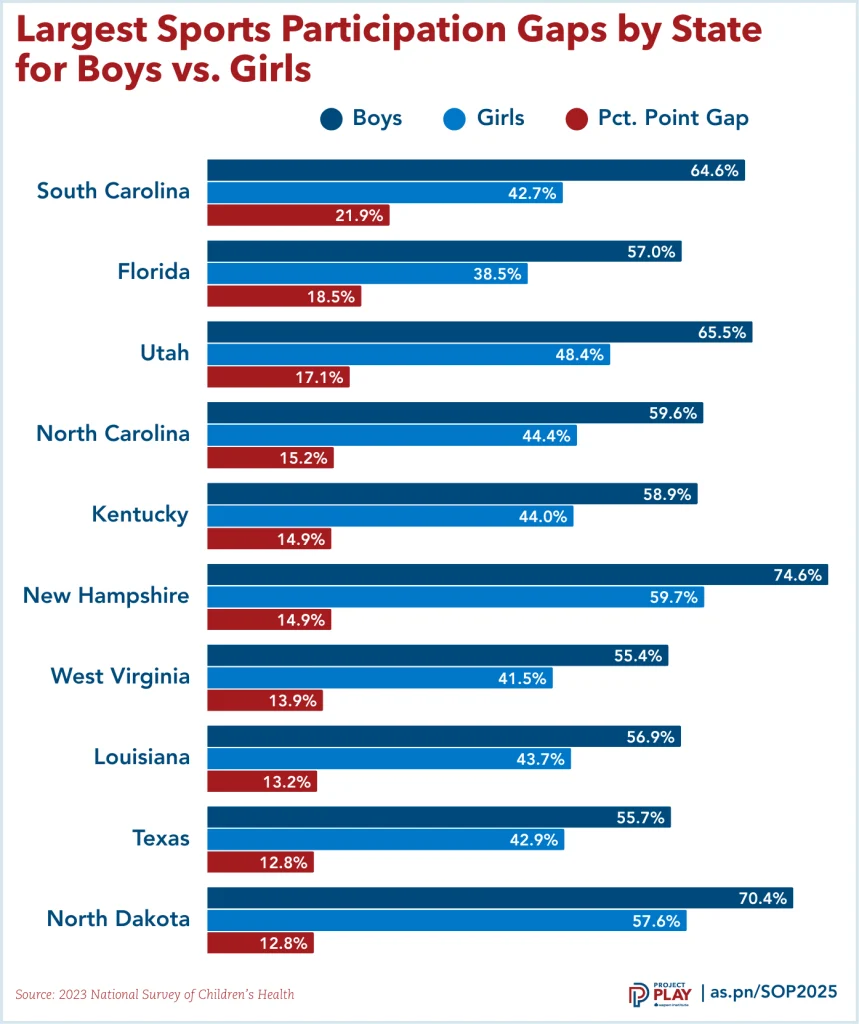
Another persistent challenge is gender disparity. By age 14, girls drop out of sports at roughly twice the rate of boys. Social pressures, shifting body image concerns, and limited visibility of women’s sports all contribute to the decline in participation.
Encouragingly, increased media coverage of women’s professional leagues has begun to change perceptions. Visibility matters. When young athletes see women competing at elite levels, the pathway feels tangible.
Jesse DeGraw, Youth & Adult Sports Supervisor for the city of Louisville, has anecdotally noticed a resurgence in girls’s sports, with softball increasing in popularity in the past couple of years.
Project Play’s research underscores the importance of intentional strategies to retain girls in sports — creating inclusive team cultures, addressing body confidence, and emphasizing skill development over comparison.
 Why access matters
Sports are not just extracurricular activities. They are developmental ecosystems.
A 2019 Swedish study found that youth sports participation positively impacts public health by encouraging personal and psychosocial growth, delaying first alcohol use, and fostering healthier relationships with exercise and nutrition later in life. When children play, society benefits. And yet, the children who might benefit most are often those least likely to participate.
The Adverse Childhood Experiences test measures exposure to abuse, neglect, and household dysfunction. While it does not capture every form of trauma, such as bullying, neighborhood violence, or natural disasters, it provides a framework for understanding these risks. ACE data analysis has also uncovered that youth who experience high levels of stress or instability are significantly less likely to participate in organized sports.
Some data suggests that exposure to trauma can reduce the likelihood of participation by as much as 95%. That loss is more than recreational. It is developmental.
Building resilience through play
Learning a sport is an exercise in persistence. The first mile feels impossible. The first missed shot stings. The first loss lingers. But continuing anyway builds something essential: resilience.
Dr. Lara Pence, founder of The Coaching Collective and a licensed clinical therapist who works with athletes, emphasizes the value of structured discomfort. Sports are heartbreaking. Outcomes are uncertain. Effort does not always equal reward. “One of the wonderful things about sports is that it can be unpredictable in nature,” she explains.
In a world where adults often try to shield children from failure, sports provide a safe environment to experience it — and recover.
Programs like Girls on the Run illustrate this power of positive youth sports participation. Designed for third- through eighth-grade girls, the program combines curriculum-based lessons with training for a culminating 5K.
Lisa Johnson, founder and director of the Rocky Mountain Girls on the Run chapter, says, “Learning how to stick with running and finishing the 5K at the end of the season becomes a literal example of how to accomplish a goal.” She goes on to give several anecdotes of student-athletes who have become more confident in the classroom after realizing what they were capable of in their running shoes.
Project Play identifies “quality coaching” as one of the most important levers in sustaining youth sports growth. As participation rises, the need for trauma-informed, developmentally appropriate coaching becomes even more critical. Growth without guidance risks burnout. Growth with intention builds strength.
 The social power of teams
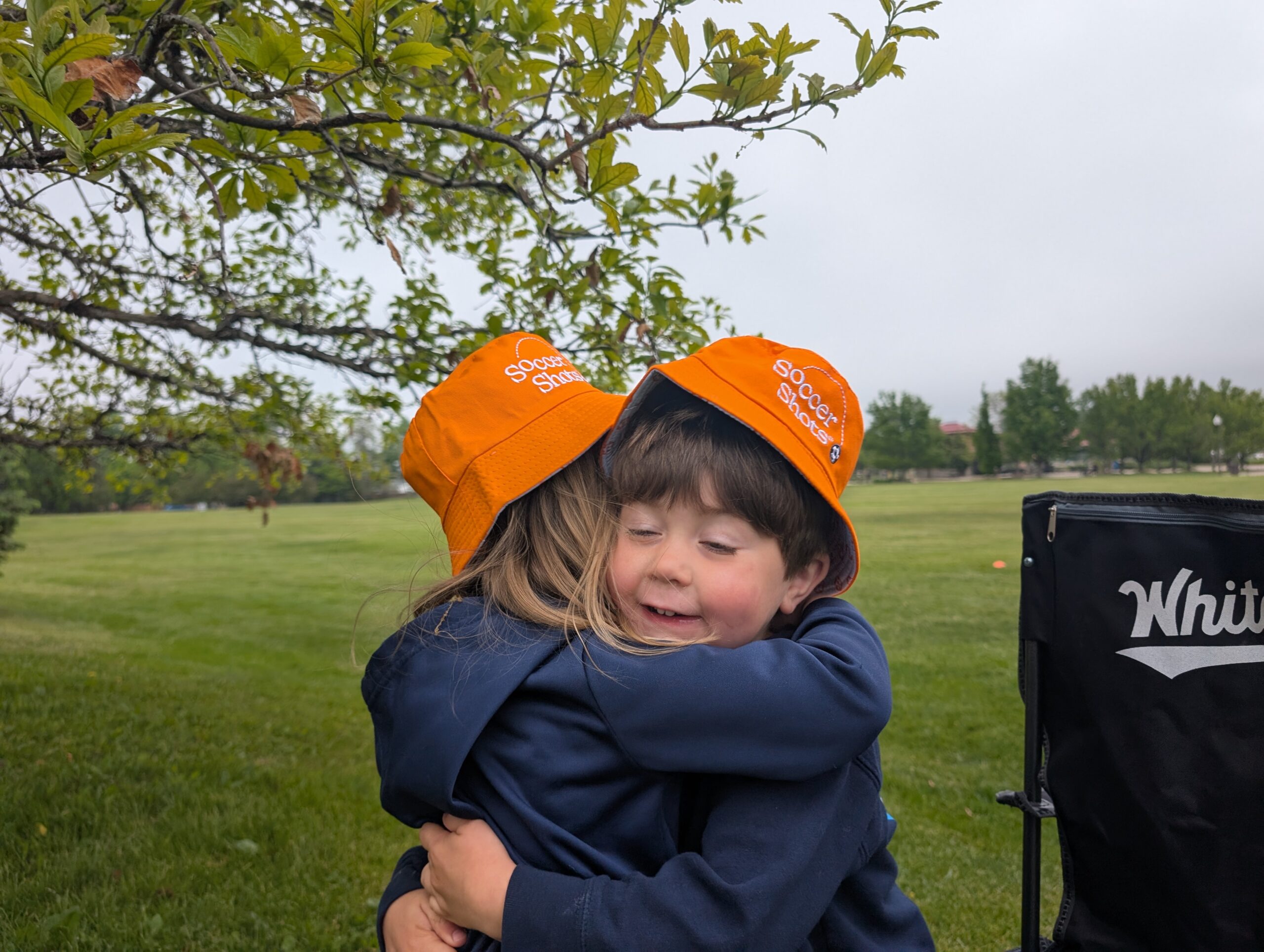
Children are wired for connection, but social skills require practice. At a time when loneliness is increasingly described as a public health crisis, youth sports create a built-in community. Teams provide a structured laboratory for belonging.
Passing the ball. Waiting your turn. Encouraging a teammate after a mistake. Negotiating roles. Celebrating shared success. These interactions build empathy and communication skills that extend far beyond the field.
An 18-year follow-up study published in the journal “European Child & Adolescent Psychiatry” found that adolescents who struggled to form friendships were more likely to report psychological distress as adults. Conversely, those who built strong peer relationships reported higher self-esteem and a clearer sense of identity later in life.
Fun, it turns out, is foundational. Project Play’s 2025 trends highlight the importance of designing sports environments around “fun.” Children are far more likely to stay involved when enjoyment — not early performance metrics — is prioritized. When the culture shifts too quickly toward rankings and scholarships, connection can erode.
Coaches as cornerstones
As youth sports expand, coaches play an outsized role in shaping experiences. For children navigating unstable home environments, a coach may provide the most consistent adult presence in their lives. The National Federation of State High School Associations advises coaches working with at-risk youth to prioritize routine, predictability, and relationship-building. Structure can counterbalance chaos. Encouragement can counteract self-doubt.
Project Play identifies coach training and support as essential for sustaining participation growth. An explosion in numbers means little without quality leadership to guide it.
Miki McConaha, a teacher and middle school cross country running coach in Arvada, Colorado, where secondary sports are under threat from a lack of funding. Programs, such as the one she coaches, fall to volunteers and donations, and their existence is not a given each season.
As a volunteer, McConaha knows her job is more than coaching the sport. She explains that the teams rarely have access to a track, so she and her co-coaches take it upon themselves to help the athletes find places to train. “We like to create that safe place for the athletes. We show them how to be creative in their training, whether it is indoor or outdoor. Physical activity can happen anywhere.”
One of the most promising trends in the State of Play 2025 report is the growing integration of mental health awareness into youth sports. Leagues are increasingly recognizing that performance and well-being are intertwined. Sports can either amplify stress or alleviate it. The difference lies in culture.
 More than a game
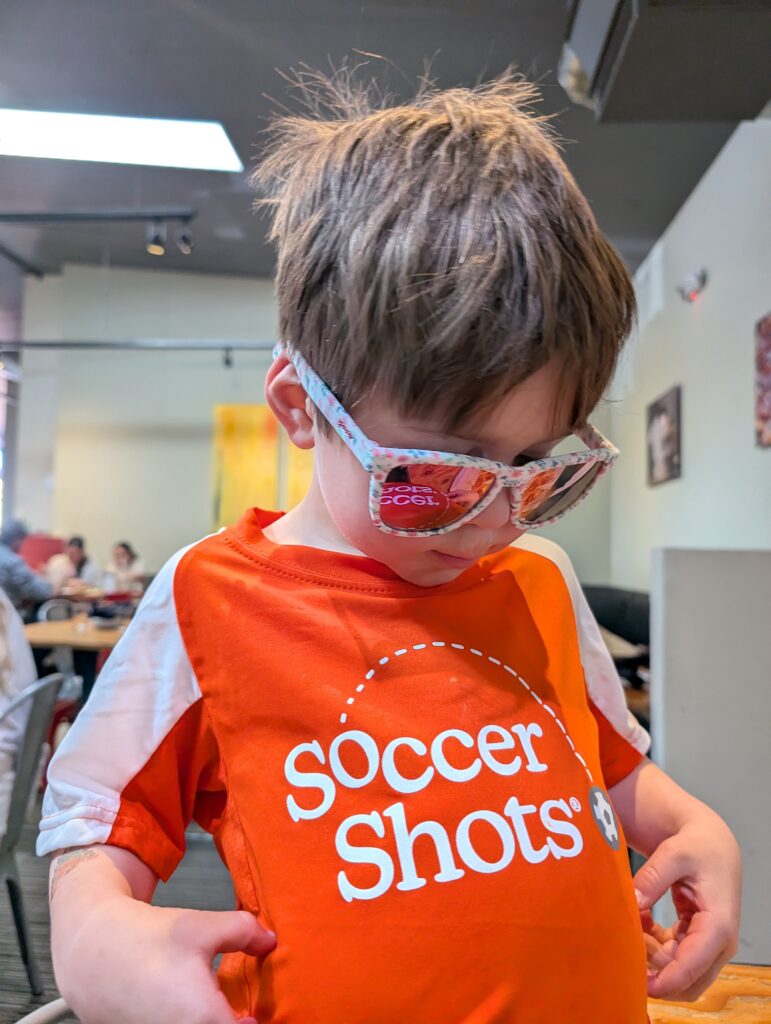
Childhood sports matter because childhood itself matters. “They bring life to the community,” DeGraw explains. “It gets good for, you know, the parents and the families to connect on that sort of level, and you’ll see it in our community, like on a Saturday, when we have 500 kids go out to a soccer field.They have the opportunity to go downtown and get ice cream at the Sweet Cow, or pizza down at Lucky Pie, stuff like that. So we see them. You see them after those big days when they’re out and about in all their soccer or basketball jerseys.”
When children play, they build resilience, friendships, and confidence. Parents and coaches can help build the community and teach good sportsmanship. Carried out effectively, youth sports can be transformative and life altering.
Youth sports are rising again, filling fields and gyms across the country. It is not simply about competition. It’s about opportunity. And if communities choose to invest wisely —- in equity, in access, in quality coaching —- the benefits will extend beyond the final whistle. The challenge now is ensuring that this growth remains inclusive, accessible, and rooted in development rather than dollars.
Like journalism like this? Consider becoming a sustaining supporter (and get our printed copy monthly at home.)
Democracy needs journalism more than ever. We’ve been telling the truth for 24 years. Your support helps us keep telling it for at least the next four years.