




On June 30, Democrats in Colorado will decide who makes the midterm ballot in November. It is another in a string of high-stakes elections in which voters feel their agency diminished. While the process may feel opaque, the state’s unique process offers various ways for candidates and locals to participate.
There are two ways for prospective candidates to reach the democratic primary ballot: assembly and petition.
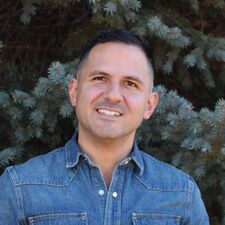
Shad Murib
“What I like about Colorado is we give myriad options for candidates,” said Shad Murib, chair of Colorado Democrats, “Colorado increases options to get on the ballot for everybody.”
Candidates can build a grassroots following during the caucus and assembly process.
“If you’re someone who is not well known or doesn’t have an established base,” said Carol Burkhart, on her 54th year working at Weld County Democrats, “going through the assembly process is where you develop a name, you pick up volunteers, you pick up donors.” Candidates partaking in assembly must receive more than 30% of the delegate share at each assembly to advance.
Caucuses are the first of three gatherings in the assembly cycle. Any registered democrat can turn up to the precinct caucus in their area. Typically of smaller attendance, delegates are selected based on their views and the candidates they say they will vote for at the assemblies. Delegates advance from precinct caucus to county assembly and then state assembly, where their votes determine which candidates advance to the primary ballot.
In 2022, Colorado Democrats changed the caucus process. Traditionally, Democrats voted in a preference poll at caucus, electing delegates to go on to assembly for key races. Preference polls now occur at county assembly, seemingly stripping the caucus of its utility.
“It was to make it easier on counties to have fewer items to keep track of throughout the process and kind of winnow down the delegate field,” Murib said. “It’s not necessarily a decision that I supported.”
The state party chooses the highest-contested race to poll for. In 2026, it was the state Senate race in which Julie Gonzalez received overwhelming support.
Without polling, the work at the caucus seems paltry to some Dems. Calls abound for shedding the caucus altogether, in favor of a leaner system straight to the primary, a structure many states have already adopted.
Murib, however, values Colorado’s rare setup, “I maintain that our hybrid model is worth defending because it builds strong and resilient campaigns for the general election.”
Without a caucus, essential democratic work, deciding who will be a delegate, electing judges and precinct organizers, gathering ideas for the party platform, would vanish.
Additionally, some have floated ending the caucus for what they view as an inherently exclusionary structure. It is conducted in person, on the weekend, in March and April. They argue that the system by nature, alienates those working weekends, full-time caregivers, and others unable to travel to be in person.
Petition candidates can acquire verified signatures from their constituents, between 500 and 1500 per congressional district. They then only need 10% of the delegate vote at the assembly to make the ballot. Some speculate that candidates will pivot to petition due to fear of their delegate turnout at the assembly. This is how incumbent senator John Hickenlooper will appear in 2026, after dropping out of the assembly process on March 13. Theoretically, candidates acquire signatures by knocking on doors, but some petitioners hire private firms to do it for them, with costs estimated anywhere from $15-$60 per signature.
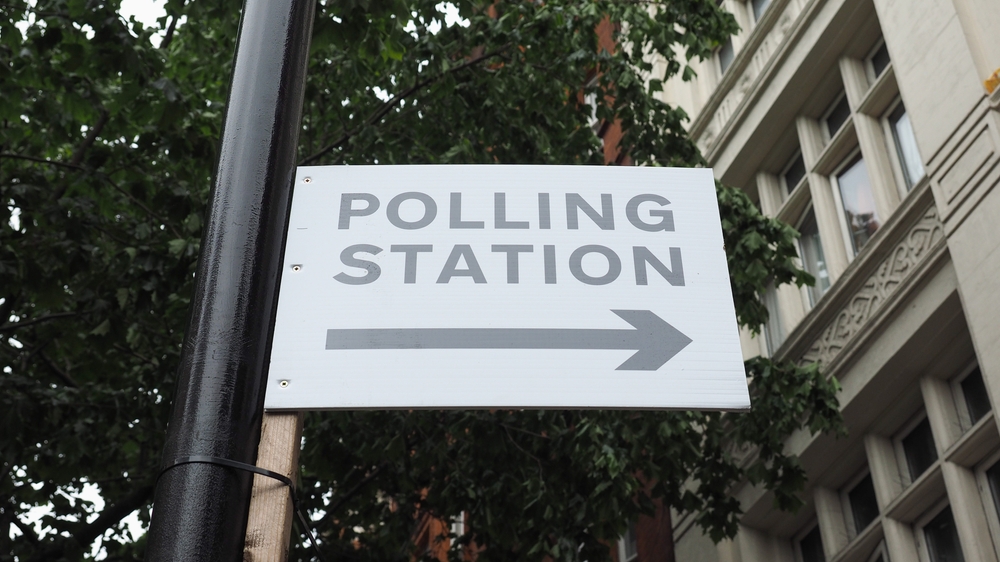
This year, many incumbents have relied on the petition method, using their wealth and established support for a method requiring fewer delegate votes to advance. Meanwhile upstart, political outsiders have exercised the assembly process, condemning the establishment’s status quo and weaponizing populist sentiment.
“I always say the best campaigns are the ones who both go through the caucus process and the petition process,” Murib said, “you can build the strongest campaign that’s ready to win when you go through both.”
In counties like Boulder, at the caucus, Democrats choose who will represent them as delegates in the further assemblies. In Weld, everyone who wants to be a delegate gets to go to the county assembly. These policies belie the criticisms that the process is only for political “insiders.” Of people who cry foul that the process is only for elites, Murib said “join us and help us make it better.”
Ansel Barnes, an electrician in Erie, participated in his first caucus this year, continuing to garner votes that sent him all the way to the state assembly, where he fulfilled his promise to those who sent him there: voting for progressives. “I will be going to push out incumbents,” he said, “to put in new people who run clean campaigns.” He described himself as a “populist” and said that his youth (he’s 30) inspired support amongst the typically aging demographic patronizing local politics.
Barnes recalled that at the state assembly on March 28, there were 127 delegates from Boulder County. He said some delegates went in with an uncommitted designation for races, opting to choose on the day from candidate presentations. Delegate fidelity remains an open-ended aspect of the process.
“There’s no guarantee that they’re going to vote for the person they pledged to,” said Andrew Nicla, communications manager at Colorado State Dems.
Barnes was particularly interested in the race for State House District 19 between Anil Pesaramelli and Jillaire McMillan. The race exemplified a perceived fissure in the party. To Barnes, McMillan’s endorsements from establishment Dems raised concern. Pesaramelli, on the other hand, represented “people who are actually doing the work.” At the state assembly, both received above the 30% vote threshold and will be on the ballot in June.
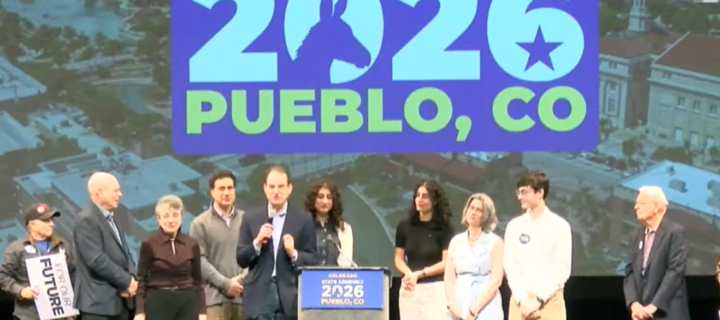
Some counties, like Weld, hosted their first in-person assemblies since 2018. Burkhart said the supply of local Dems hoping to be delegates has never been higher, “it is a happy problem to have when you have more people who want to run as delegates to higher assemblies than you have places for them.” Colorado Democrats used AirTable, a digital voting platform, for the first time, which crashed under the weight of traffic at Weld. The new system overloaded at their March 21st assembly, resulting in the county having to email ballots out, delaying the results until the following Monday.
Like many things of our electoral system, Colorado’s is a process whose structure sometimes obscures the will of its participants. Evidence of its inconvenience confirms to some what they have long suspected, a belief that’s infiltrated much of modern politics: that the system is unfair, that it benefits the ruling class, that the odds are stacked against real people. They cite the weakening of the caucus, cumbersome steps, and feeling like the process is only for those who already have a seat at the table.

Inconvenience, however, does not equate to malice. The mixture of candidates and the party platform is as progressive as it’s ever been. Many candidates have arrived on the ballot from the ground up. A publicly-funded healthcare system being a highlight, the party has leaned into other popular progressive policies like establishing a Department of Economic Justice to redistribute wealth. Colorado Democrats say “justice is the destination,” of their platform.
While the party may be at what Murib described as a “crossroads,” the themes liberals care about remain the same. Equitable taxation, humane immigration policy, and preserving democracy unite Democrats in Colorado. “I don’t think it’s actually that divided,” Murib said, “we all care about the same things.” The party said they doubled total turnout and tripled youth turnout this year. One in four delegates, they said, were under forty.
The evolution of the Colorado Democratic party mirrors that of the party writ-large, one desperate for new leadership and running out of time in their fight against a surging authoritarian right. A split between career politicians and populist outsiders has furthered an identity crisis some argue the awkward nature of Colorado’s system exacerbates. This same system, however, will have as many progressives on the ballot as in recent memory, and hasn’t cushioned incumbents. Colorado’s structure still values local beginnings, with a clear path for neighborhood democrats, whether they be candidates or delegates, to work their way from caucus all the way up to the primary ballot.
In today’s corporate world, finding true, honest journalism is getting harder, and that includes local news, too. From corporate takeovers to the nonprofit industry, finding reporters willing to ask the hard questions seems like a thing of the past.
Which is why Yellow Scene remains fiercely independent and never, ever accepts quid pro quo. We are only beholden to our readers, not funders.
The truth is, we really cannot do this without you. If you value our journalism, become a sustaining supporter for $8 a month. Your support keeps honest reporting alive and gets the hard copy delivered to your home.