


This letter was sent to Yellow Scene Magazine and the Erie Town Council. As with all Letters to the Editor, the views expressed are solely those of the author and do not necessarily reflect those of the publication. We value providing space for community voices.
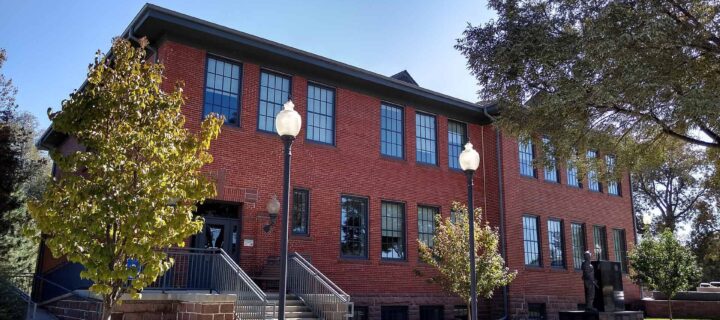
Featured Photo: Erie Bard, CC BY-SA 4.0, via Wikimedia Commons
Dear Chair Sawusch, Commissioners, Council Members, and Editors,
Thank you for the time and effort you have invested in preparing for the upcoming joint Planning Commission–Town Council study session.
From the public meetings over the past several weeks, it appears the Commission has made meaningful progress in understanding its role, responsibilities, and relationship with Council and staff. The Town Hall 101 orientation, discussions of Commission authority, and conversations about future work all appear to be important steps in building a stronger Planning Commission.
As an interested participant in the 2024 Comprehensive Plan process, I respectfully suggest that the Commission has now reached a different stage of its work. The question is no longer simply, “What is our role?” It is, “What information do we need before we can confidently recommend significant policy direction?”
In my view, that distinction is important.
Many of the issues likely to arise during the joint study session—including Comprehensive Plan implementation, potential UDC amendments, infrastructure sequencing, transportation, housing, and the meaning of Erie’s “small-town feel”—are complex questions involving technical analysis, public priorities, legal responsibilities, and long-term tradeoffs. They deserve an evidence-based process that gives both commissioners and the public confidence that recommendations rest on a complete understanding of the record.
For that reason, I hope the July 21 session focuses less on reaching conclusions and more on identifying the questions that should guide the Commission’s work over the coming months.
Some questions that may help frame that discussion include:
- Which future Planning Commission recommendations will simply implement the adopted Comprehensive Plan, and which would effectively amend or redirect it?
- What objective evidence currently exists for the major concerns expressed by residents regarding growth, traffic, infrastructure, housing, and community character?
- Where does the existing record clearly answer those questions, and where are important gaps still present?
- How can the Commission distinguish between resident experiences, public preferences, causal explanations, and proposed remedies?
- What additional education or technical briefings would help commissioners evaluate future recommendations with confidence?
- What information should be assembled before the Commission recommends substantial changes to the Comprehensive Plan or Unified Development Code?
From my perspective, this approach is entirely consistent with good governance.
Good governance does not require commissioners to already know every answer. It requires establishing a transparent process that identifies what must be understood before significant recommendations are made. Additional training, technical briefings, and careful review of the existing planning record may ultimately reinforce current assumptions—or they may point in different directions. Either outcome strengthens public confidence when the process is open, evidence-based, and willing to follow the record wherever it leads.
One principle has consistently emerged from my review of the Comprehensive Plan process, Planning Commission discussions, and Council meetings:
Validate the concern. Test the cause. Compare the remedies.
Residents’ concerns deserve to be taken seriously. They also deserve to be evaluated against the full public record, technical evidence, and the long-term consequences of alternative policy choices.
Thank you again for your service to the Town and for your willingness to undertake what I recognize is a difficult responsibility.
Respectfully,
Matthew Logan