





– This story has been updated to include details about the council vote on the Comprehensive Plan & its impact on affordable housing policy
The results of Erie’s 2024 Community Survey are in. A special meeting was held Tuesday to allow the public to weigh in, but before the results are framed as a mandate, it’s worth digging into the numbers, the cost, and the context.
The most telling number is participation. Just 12.8 percent of households responded: 3,854 in total. By comparison, response rates were 30 percent in 2013, 24 percent in 2021, and 23 percent in 2023. This year’s survey produced more responses on paper than all three of those years combined, yet fewer people proportionally engaged. In other words, the town sent out more surveys than ever, but most residents ignored them.
That raises questions about efficiency. A larger pile of responses looks impressive, but it doesn’t necessarily yield better insight. As Town Communications Director Gabi Rae previously told Yellow Scene, once you hit a certain threshold, adding more responses doesn’t improve accuracy.
The numbers also sharpen concerns about cost. This year’s survey cost more than double the price of previous ones, while producing the weakest response rate yet. Mayor Andrew Moore defended the expense, saying the results would guide his decision-making, even if they cut against his own preferences.
Moore’s prioritization of the survey has had ripple effects. Several town projects have been slowed or stalled while staff and council waited for results to provide “direction.” Now that the data is in, we have a clearer picture of what residents want, and the council must decide how to act on it. But what, exactly, did the people say?

What the Survey Found
Residents ranked the top five issues Erie should address in the next two to three years as:
1 – Traffic congestion and road infrastructure
2 – Rapid growth and overdevelopment
3 – Water costs and availability
4 – Affordable and diverse housing
5 – More commercial and retail development
When asked whether Erie is heading in the right direction, 39 percent said yes, while 27 percent said no. Supporters cited smart growth, community feel, quality of life, parks and recreation, and town governance. Detractors pointed to uncontrolled growth, worsening traffic, dissatisfaction with leadership, lack of commercial development, and environmental concerns such as fracking.
A significant number of residents marked “unsure” on the housing questions. That suggests many in Erie prefer a more moderate approach, rather than choosing between the extremes of unchecked development or an outright freeze on growth. Some of the hesitation may also stem from confusion over the term “affordable housing,” which often carries baggage and means different things to different people. Still, despite the uncertainty, affordable and diverse housing ranked among the top five priorities and drew broad support.
While there is much to be learned from town sentiments, policy is always more complicated than checking a box on a survey. Once questions of funding and tradeoffs enter the picture, city leaders often have to contradict stated goals, even with the best intentions. Yellow Scene has previously asked whether Mayor Moore will still uphold the survey once it stops being abstract and starts producing results that complicate his agenda. Last Tuesday’s meeting offered an early test. With the results in hand and public opinion voiced, the question now is how closely council’s next steps will align with what residents said they want.
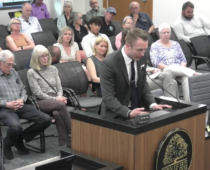
During the meeting in question, Mayor Moore and the Town Council discussed the survey results. When it came to affordable housing, Moore expressed skepticism about what the survey actually signaled. He noted the difference between general support for affordable housing and support for funding it with taxpayer dollars, saying:
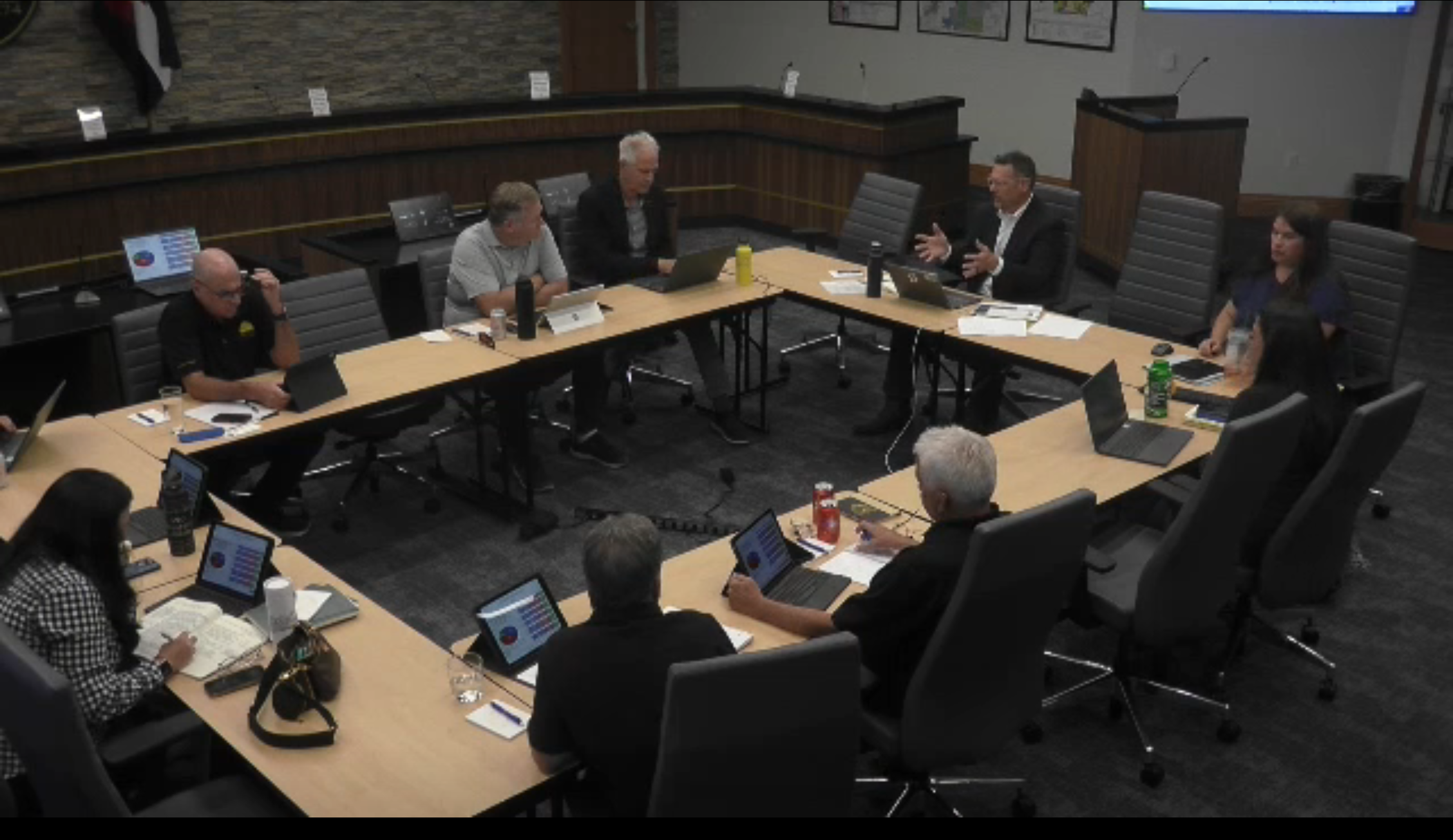
“I feel like this question was: ‘Do you like puppies?’ Oh man, I love puppies. Do you want to pay the vet bills and raising a puppy and all of that? It appears that the results came back and said, ‘Well, not really—I want somebody else to pay for that.’”
Moore’s comments highlight two key points. First, the survey has limits. It’s easy for residents to express support for a goal; it’s harder to convey the logistics or trade-offs needed to achieve it. As a guiding north star for the council, the survey is therefore only a starting point. The “how” is ultimately the council’s responsibility, the survey informs the “what” and “why,” but can’t dictate the difficult decisions.
Second, the remarks hint that the council may be stepping back from leaning heavily on the survey. Affordable housing emerged as a top concern for residents, but Moore’s response questioned whether the results truly reflect public priorities once logistics are considered and suggests the survey could be seen as too vague to drive action on its own. That’s quite far from his initial rhetoric in regarding the survey. He’s not the only one casting doubt on the survey.
The open-ended nature of the survey has left council members at odds over its meaning. During last week’s meeting, Councilwoman Emily Baer cited the survey as evidence of strong support for affordable housing. That prompted a brief clash, as Mayor Pro Tem Brandon Bell argued she had misinterpreted the data.
The details of the disagreement is less important than what it reveals: if council cannot agree on what the survey actually says, it cannot serve as a clear roadmap for governing. Between Moore’s hesitation on affordable housing and the Baer-Bell dispute, it’s clear the survey may complicate decision-making rather than simplify it. City politics is already complex; adding a contested interpretation of survey data only deepens the challenge of translating public opinion into actionable policy.
Early indications suggest that council’s next moves may have far less to do with the expressed will of residents than the survey’s promoters advertised.
Last week the council voted 4–3 to repeal the expedited process for affordable housing in the Comp Plan, before survey results were even released, results that later showed housing ranked among residents’ top priorities. The move underscores a growing disconnect between the council’s rhetoric that the survey would guide policy and its actual decisions.

Democracy needs journalism more than ever. We’ve been telling the truth for 24 years. Your support helps us keep telling it for at least the next four years.