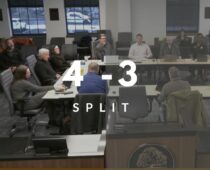






At recent public meetings in Erie, Colorado, residents have pressed town officials on whether growth can be slowed, citing concerns about water supply, traffic and infrastructure capacity.
But town officials may have their hands tied.
A review of town planning documents, development agreements and recent approvals shows that a substantial portion of Erie’s future housing, land use and infrastructure commitments is already locked in through legally binding entitlements, limiting how much current leaders can change.
Several of Erie’s largest developments illustrate how much growth it has already committed to.
The Redtail Ranch project, located north of Baseline Road and west of Interstate 25, is one of the clearest examples. The development includes more than 500 homes and spans roughly 300 acres. It moved forward in 2025 after the town settled a lawsuit with the developer, despite earlier attempts by the council to block it.
As part of that process, the developer invested more than $10 million in environmental remediation over several years . Once a project reaches a certain stage, denying it can expose the town to significant financial liability. Town officials indicated that continuing the legal fight could have cost Erie tens of millions of dollars, a risk the town ultimately chose to avoid.
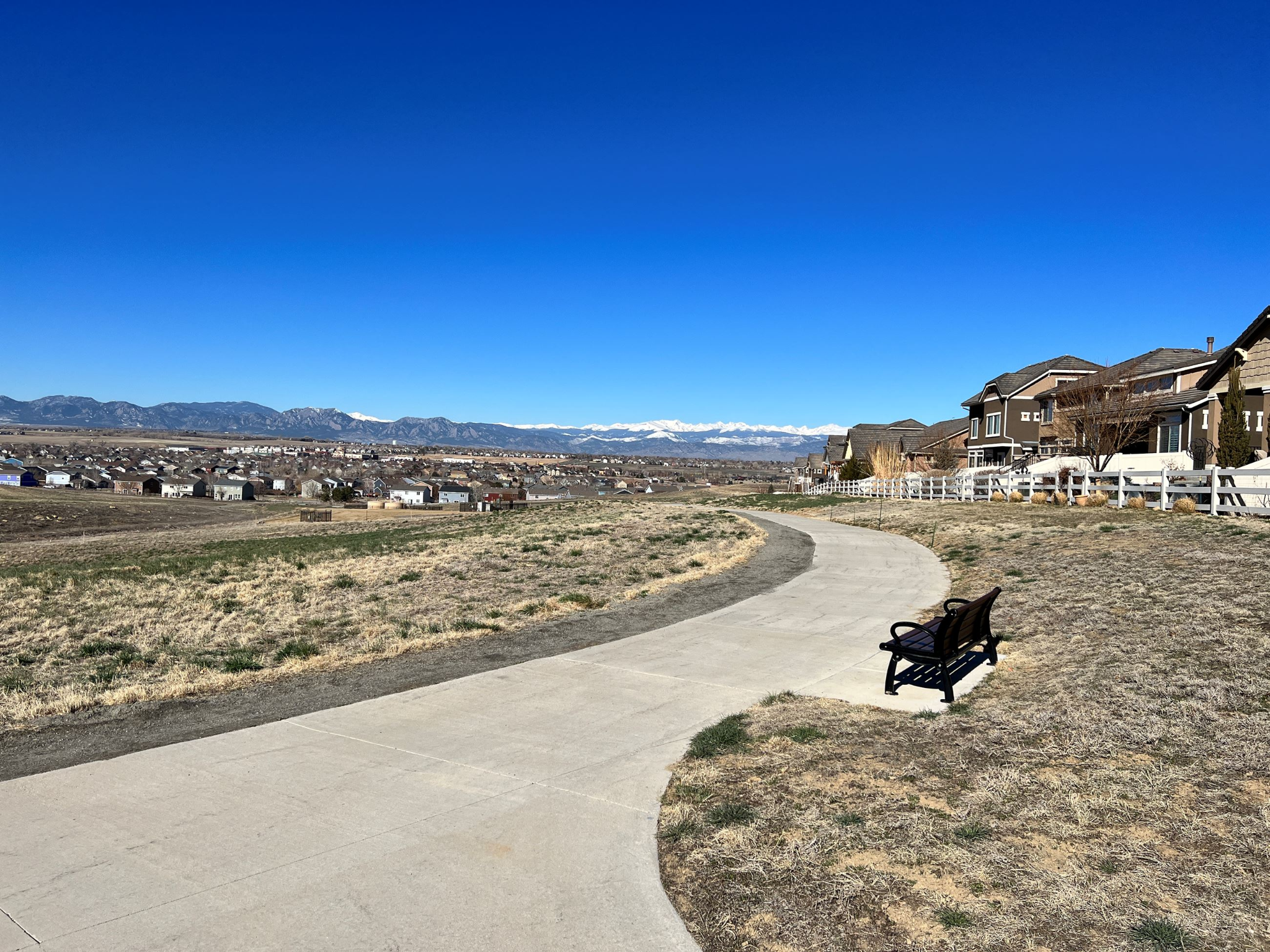
Erie Highlands Open space Courtesy of the Town of Erie
Another major project, Spring Hill, is embedded in long-term approvals. Town records show the development includes 632 residential lots across approximately 301.89 acres south of Highway 52 and west of County Road 3.
Additional filings across the town reinforce the scale of already-approved growth. Summerfield includes multiple phases totaling hundreds of homes, including 300 single-family lots and 195 townhome units on more than 295 combined acres.
Parkdale, another development area, includes at least 141.55 acres of planned residential construction.
Together, these projects alone represent well over 1,000 housing units that have already received approval and are progressing through final platting and construction phases.
Town planning records show that large portions of Erie’s remaining developable land are already designated for residential or mixed-use development through planned developments and annexations.
- The Spring Hill project covers more than 300 acres.
- The Redtail Ranch site spans roughly 300 acres.
- The North Station planned development amendment encompasses approximately 597 acres near Weld County roads 7, 10 and 12 and Interstate 25.
In addition, proposed and ongoing annexations continue to expand the town’s development footprint. A 2026 application for the Front Range Landfill area includes annexation of 159 acres and rezoning of a total 630-acre site along Weld County Road 5. These figures point to several square miles of land, much of it already entitled or in active planning stages,being committed to future development.
The financial structure behind these developments further limits the town’s flexibility.
In Redtail Ranch, more than $10 million has already been spent by the developer on cleanup and site preparation.
Development agreements across Erie also typically require developers to provide financial guarantees for infrastructure improvements, such as roads, utilities and drainage systems. A 2016 Vista Ridge development agreement, for example, included formal acceptance of financial guarantees tied to required improvements, a common structure for infrastructure funding.

Vista Ridge neighborhood Photo courtesy of Erie Protectors
Those guarantees are tied to approved plans, meaning that once agreements are executed, both the town and developers have financial stakes in seeing projects move forward.
At the same time, municipal finances are often structured around anticipated growth. Impact fees, property taxes and future retail activity tied to new housing are incorporated into long-term planning assumptions. While exact revenue totals vary by project and phase, the town’s willingness to settle litigation in Redtail Ranch highlights how financial exposure can restrict future decisions.
Even before full buildout, development generates revenue streams for the town.
These include building permit fees, impact fees and property tax revenue as homes are completed and occupied. Infrastructure built by developers—such as roads, water systems and public improvements—is often transferred to the town, reducing the need for direct municipal capital spending. Once a development is completed that was paid for using town bonds, the sales tax from that property is used to pay back the initial investment and for future developments.
However, those revenues are phased over time and are often offset by the cost of providing services to new residents. That dynamic is one reason growth is frequently built into long-term fiscal planning, making it difficult to abruptly halt projects without financial consequences.
The legal framework surrounding these projects is a key factor in why they continue moving forward.
Once development agreements are approved and vested rights are established, municipalities face limits on their ability to impose new restrictions. In the case of Redtail Ranch, approval of the settlement and preliminary plat effectively established the project’s entitlement framework, reducing the town’s ability to add new substantive conditions without reopening litigation.
That pattern applies more broadly across Erie’s development landscape. Projects that have progressed through annexation, zoning and preliminary plat stages are often legally protected, leaving current officials with limited options beyond managing how those developments are implemented.
For many residents, the scale of already-approved development is not immediately visible.
Public debate often centers on whether growth should continue at its current pace. But planning documents show that much of that growth has already been approved in earlier years, under different assumptions about infrastructure, water supply and community priorities.
The result is a disconnect between what residents believe can still be changed and what is already contractually obligated.
Despite those constraints, not all land in Erie is fully vested. The town still has authority over future annexations, zoning decisions on unentitled land and aspects of design and infrastructure timing.
Understanding how much of that growth is already set in motion may be essential to understanding what choices remain for the citizens of Erie.
Like journalism like this? Consider becoming a sustaining supporter — and get our print edition delivered to your home each month.
Democracy needs journalism more than ever. For 25 years, we’ve told the truth — your support helps us keep doing it for the next four and beyond. Administrations come and go. Our team stays ready to lead, no matter who’s in charge.