




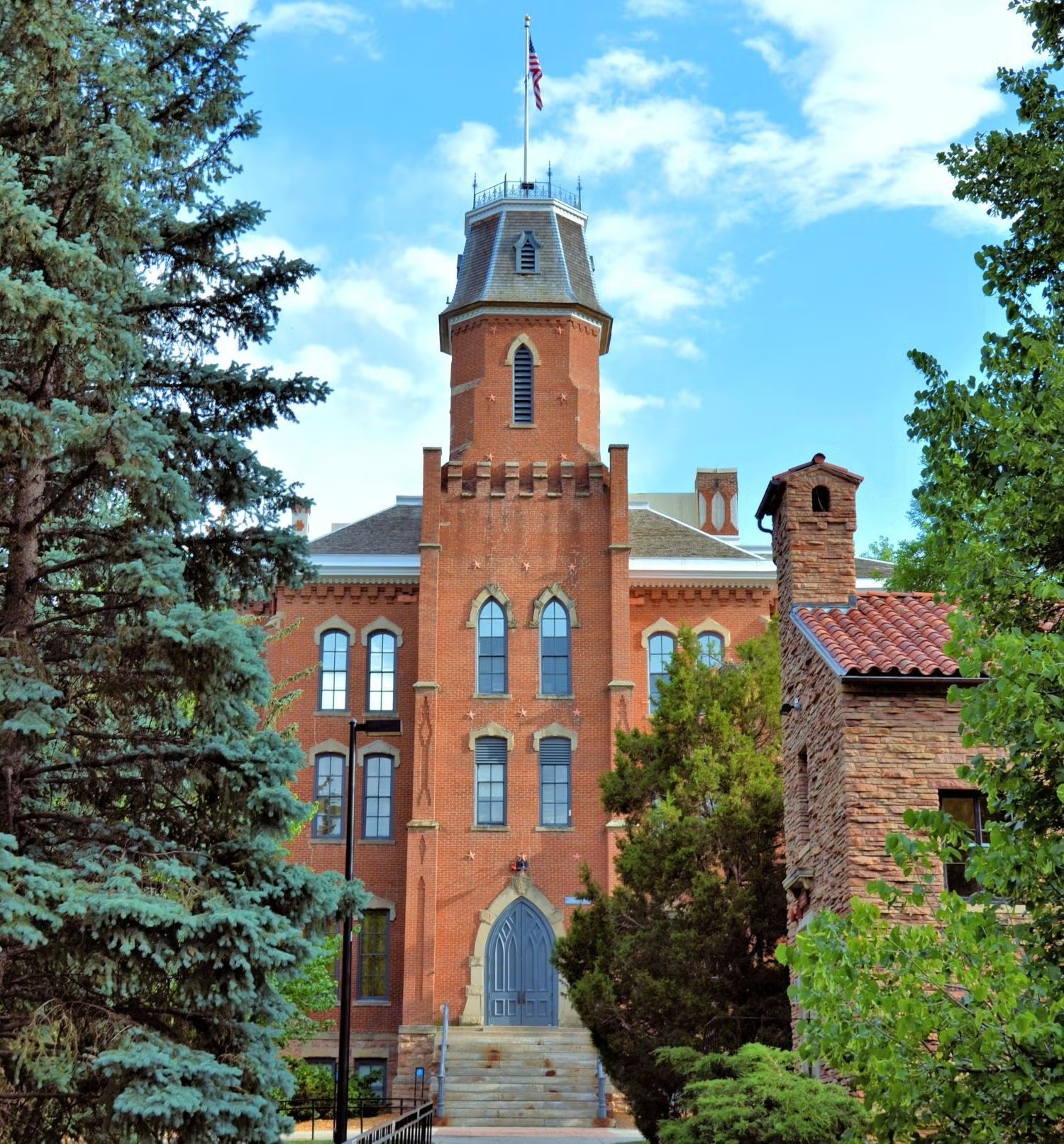
 Before Colorado became a state, the people valued education. The University of Colorado opened it’s doors to students five months before Colorado even became a state. Since then, it has become a cornerstone of our society, Colorado leads the nation in the highest education educational attainment, with 62.9% of adults between the ages of 25-65 having at least a partial postsecondary degree, trade certificate, or credential.
With the high value placed on education, a lot of credit needs to be paid to the teachers. Hardworking and under-resourced, the teachers of today have had to evolve and show up through lay-offs, defunding, a pandemic, and technological changes that both better and create a level of difficulty in their jobs.
Five teachers share there experience in the changing world of teaching. Expressing the difficulties they have found in their careers, as well as the hope they feel for the future, the teachers share their experience of then and now.
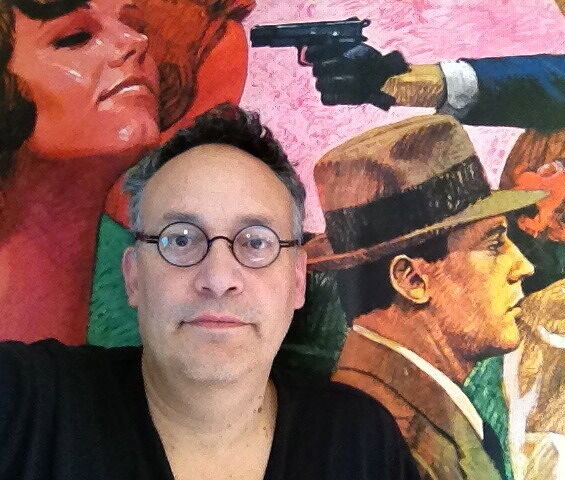 The English Professor
Doctor Jeffery DeShell is an English professor at the University of Colorado. A novelist himself, he specializes in creative writing, literary theory, modern and contemporary literature, and poetics aesthetics. He recounts, “I’ve been doing it [teaching at the college level] for about 40 years now; certainly 30 full-time. I think probably my first college class when I was an MFA or MA student.”
For DeShell, school has always been a place of comfort. “I’ve always liked school. I was good at it when I was a student, and it was my community.” His enjoyment of school led him to not only earn an MFA, but also a PhD from SUNY Buffalo. However, with the changes in the world, he does recommend this path to his current students. , “Now, I don’t encourage my MFA students to go to a PhD in creative writing, because I don’t think school is really all that useful anymore after the MFA.” He continues, “I think people should get out there and write.
Another change noticed by DeShell is the ability of students as they enter college. He states, “I never considered myself one of those professors who said, ‘Oh, writing is getting bad’ and ‘Oh, back when I was a student things were better’ because I haven’t believed that until the last couple of years.” He goes on to expand that students want to write more science fiction or adolescent literature, and he no longer feels as though he can contribute to their writing.
Though, this is not the case for him as a whole. DeShell states that he still has some undergraduate students, and many graduate students who take the time and put great care into their writing. “There’s a terrific culture out there. It too is getting squashed, and that’s what’s, you know, more frightening to me than my sort of possibly obsolescent culture that I’m used to and comfortable with.”
While DeShell acknowledges his unease with change, he ends on a note of inspiration, “There’s great work out there by old people, by young people, just terrific work. And so that gives me hope.”
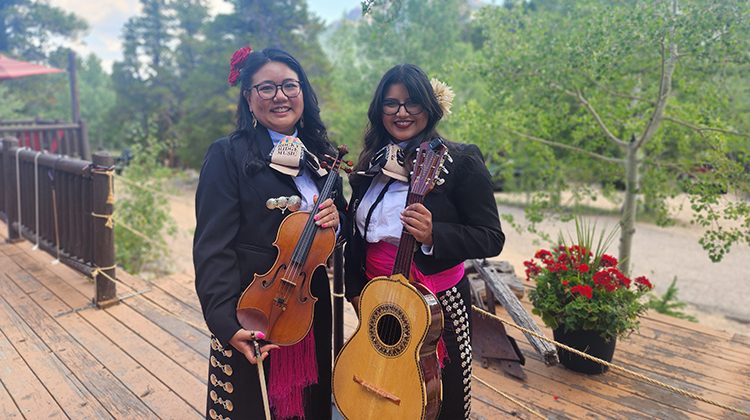
The Music Teacher
Yellow Scene Magazine first spoke to Priscilla Arasaki while she was still working as a middle school music teacher in 2022. Coming out of the pandemic, it was a tough time to be in education. Back then, she stated, “Music is really fun because kids get to play together. Online, we couldn’t do that at all. So, it was just really a challenge to figure out how to connect for the kids. Usually, it’s so easy in the music classroom. We can connect with them through music and later, playing together. And so they feel that bond.”
Arkasaki was passionate about music both inside and outside of the classroom. Throughout her teaching tenure, Arasaki also played in a mariachi band. “There are a lot of teachers that are like, ‘Oh, I would love to start a mariachi program,’ but they’re just like, I don’t know how, I don’t know where to get started. There aren’t a lot of resources for it. So my friend and I started a nonprofit. If they want to start a mariachi program and essentially be the resource for them.”
Teaching for fifteen years, Arasaki has seen the profession change leading to burn out. She explains that during the pandemic, there was a lot of appreciation for teachers, but it has since fizzled. Thinking back to her own education, Arasaki remembers amazing trips and events her teachers organized. Wondering why that same enthusiasm does not exist today. She states, “I kind of think back like, wow, how did my teachers do that? But I also think the demands on teachers today are so much more than they were back then. We don’t have the bandwidth to do that stuff anymore.”
While Arasaki has left working in public schools, she holds great empathy and respect for current teachers. “Now that I have taught, I do feel like I can do anything. I can go into whatever job, because some aspect of teaching has given me the tools I need.”
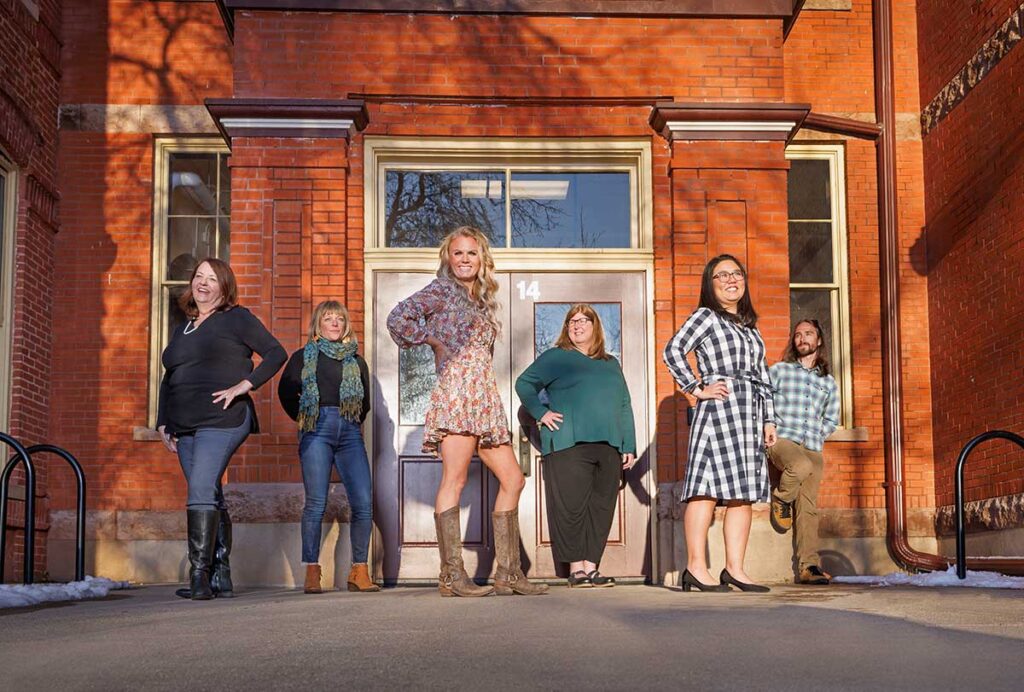
The Virtual Teacher
Sarah Hargadine is a social studies and language arts teacher for 6-9th graders at Boulder Universal K-12. Classes are fully online with a drop-in classroom and lab available to students. Hargadine was another teacher interviewed by YS in 2022, at the time adjusting from her virtual school, growing from around 200 students to more than 1500 in the wake of the COVID pandemic.
Despite the challenges caused by the growing school, Hargadine has kept her love and optimism for teaching,“ I feel like my job is constantly growing me. So I feel not only do I love having lifelong learning like that passion in my students, but I think the career of teaching keeps you a lifelong learner, and you’re constantly evolving in your practice. And so I never feel stale or stagnant. Every year presents this new challenge, and so I do feel like, personally, I’malways growing.”
In nineteen years of teaching, Hargadine has seen a lot of changes. In her experience, change and evolution is the only consistency in the field. She says, “ every two years, you’re getting a new curriculum. Every three years, a new principle comes through, and they’re initiating new launches. If teaching has taught me anything, it’s flexibility.” She continues recounting the fads she sees, “You’re going to see, you know, big initiatives come through, you’re going to see these swings and priorities. You’ll see these new emphases, such as those for STEM. They all kind of come and go, but the thread that remains the same is that people are trying to do their best.”
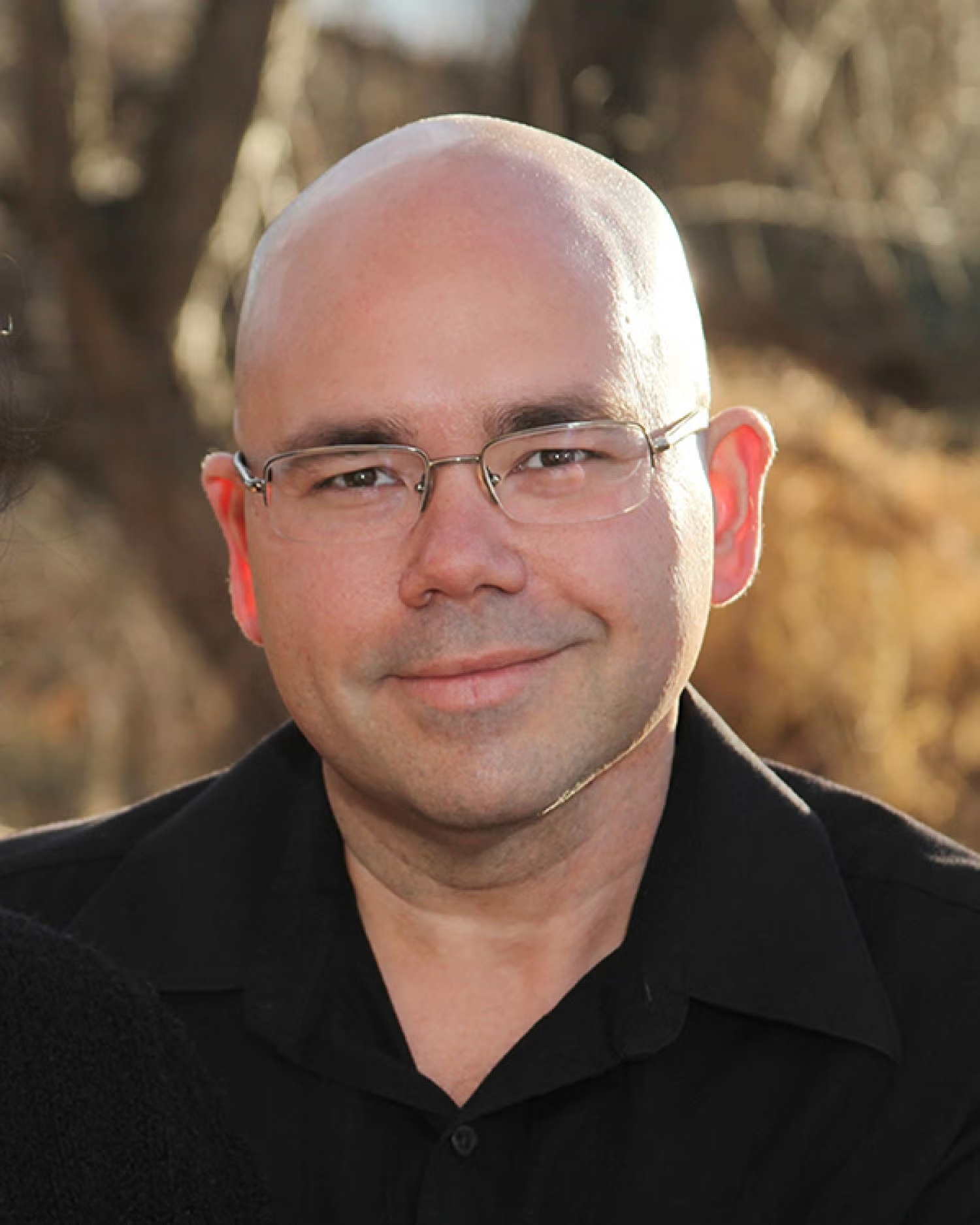 The Math and Physics Teacher
Thirteen years ago, YS interviewed high school math teacher, Michael Schefferstein. At the time, he was teaching all grade levels at Justice High School, a charter school in Lafayette. On top of his work there, he is also a highly rated physics professor at the University of Colorado. The duality of his work gives him an understanding and empathy for students that only the most experienced teachers are able to express.
Schefferstein has been passionate about teaching all students, of any age, since he was in college himself. He explains now he works with as many different ages as he can, “It is just something I have always been passionate about, and I was looking at getting in a large spectrum of students. So I’ve pretty much taken the entire gamut of all middle school, high school and in college, and occasionally with Sunday school, some little kids.”
As far as changes in his career, Schefferstein states that the biggest difference is in the attitudes of the kids. He states, “The mentality of the students coming in, has changed. There’s a decrease in respect, and so that’s made it more challenging.” He goes on to admit that if he ever found another teaching job, it would likely be with elementary school students who are still excited to be at school
In his years of teaching, Schefferstine has found that children really love math, and that it is conditioned out of them as they age. He explains, “I feel like math is actually kind of loved by children. If you ask them, ‘oh, what’s your favorite subject?’ they say math a lot in elementary school, then around middle school and the beginning of high school, that’s when they start turning away from it.”
 The Religious Studies Teacher
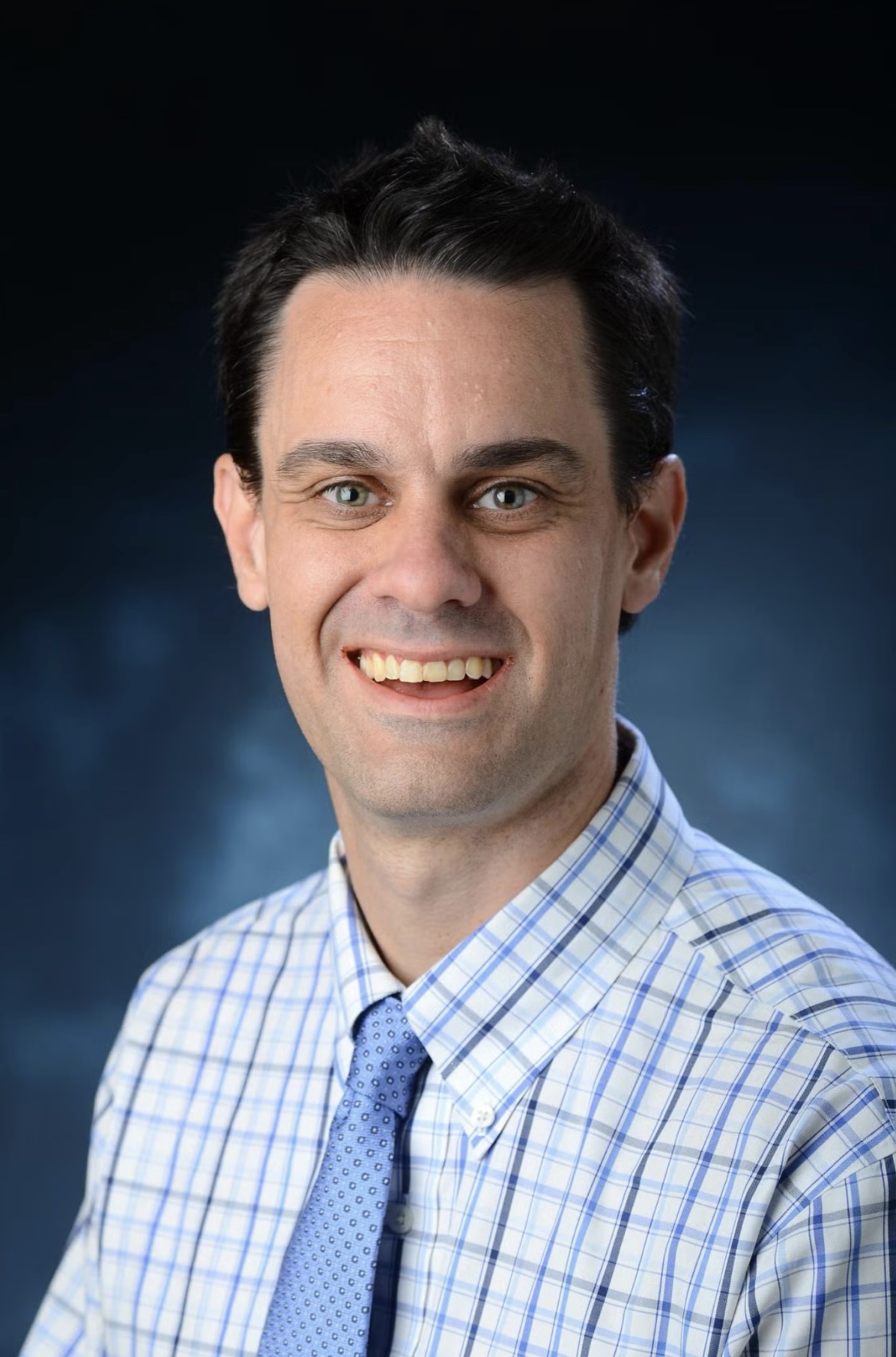
Samual Boyd is a professor of biblical studies and the Near East at the University of Colorado. His research and subjects expand into Christianity, Jewish studies, and Islam. He has been teaching for nearly fifteen years at the collegiate level, explaining, “I go wherever the data goes. And that’s kind of the fun thing about the way that I approach these texts. I tell students I’m more Indiana Jones, less a pastor or rabbi, that my goal is not to tell them whether or not God exists or really it’s a different discipline, theology that kind of does that.”
Boyd’s passion is in inspiring thought in his students and encouraging them to think deeply about life and purpose. He explains, “There’s a sense in which I care deeply about the students, and I don’t want this to be just about the semester. I want this to be about ‘Wow, I had this experience fall semester 2025 with Professor Boyd that sustained me.’” Boyd loves seeing students light up when they get to a particular line of text that resonates with them as they dive into different theologies.
The changes Boyd sees, and worries about, are in the field of technology. He explains, “AI is a big challenge for professors right now. What does it mean for students? I’ve got younger kids in elementary school, and we’ve seen elementary schools here that are already devaluing reading and writing. That worries me greatly.” Boyd does not want to fall to what he calls “an arms race against AI,” stating, “I think there’s a lot of ways in which the cultural, political, economic [landscape] changes. For sure, I think,I need to be aware of that and attend to that. But it can also be easy to follow pedagogical distractions. You know, I don’t want to get into a point where I feel like I’m babysitting students.”
Teachers are up against major changes with society, politics, and technology; but the struggle is not a new one for them. These educators have been evolving and changing with and for their students, always ensuring they are putting their best foot forward in unknowing times.
Like journalism like this? Consider becoming a sustaining supporter (and get our printed copy monthly at home.)
Democracy needs journalism more than ever. We’ve been telling the truth for 24 years. Your support helps us keep telling it for at least the next four years.
Democracy needs journalism more than ever. We’ve been telling the truth for 24 years. Your support helps us keep telling it for at least the next four years.